Intake Manifold Gasket Failure
high- Typically appears
- 80–150k mi
- Estimated repair
- $400 – $750
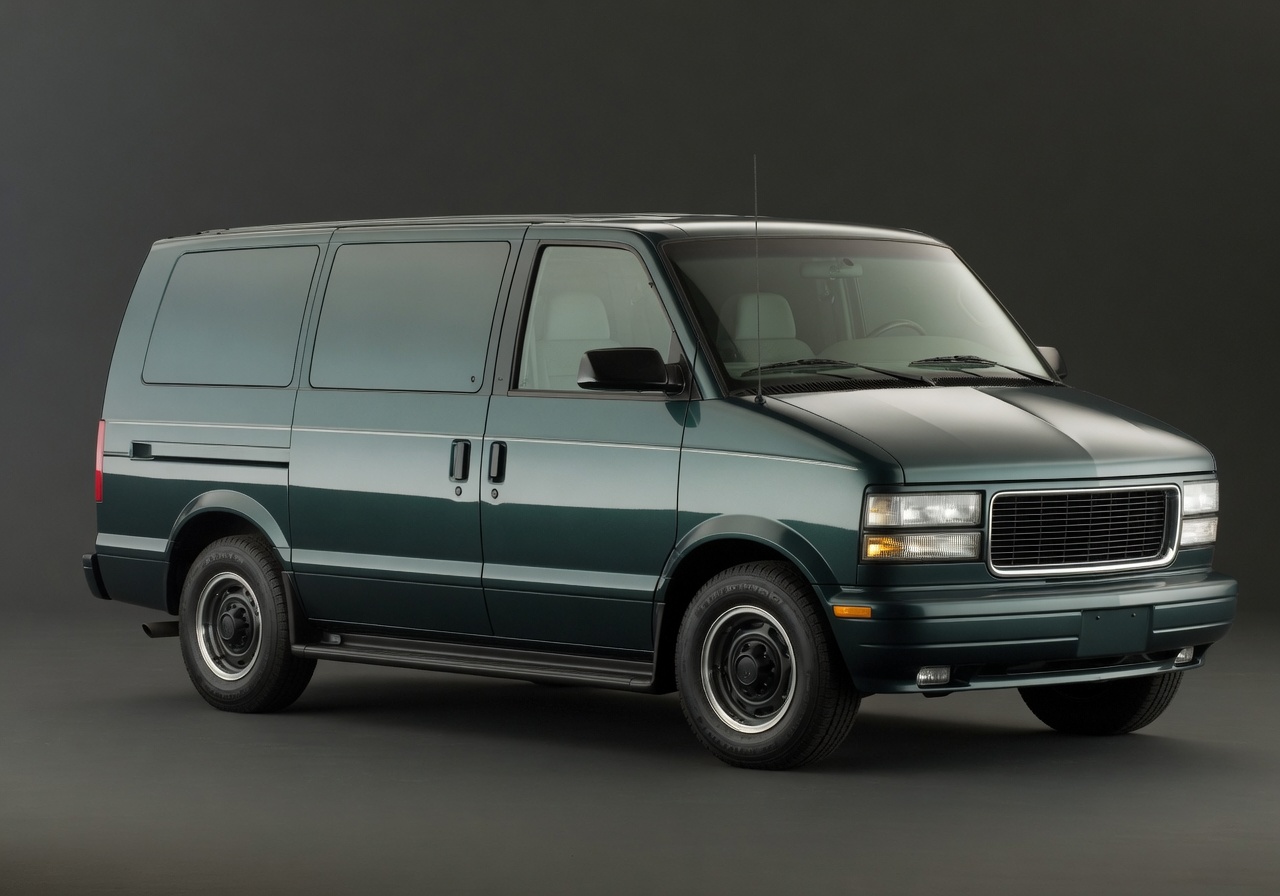
1993 GMC
4.3L V6 · Van/Minivan
The 1993 GMC Safari Cargo is the commercial-use sibling of the GMC Safari passenger van, built on GM's rear-wheel-drive (or optional all-wheel-drive) APV platform shared with the Chevrolet Astro. Unlike the front-wheel-drive minivans from Chrysler and Ford, the Safari Cargo sits on a truck-derived body-on-frame chassis, giving it a higher payload rating and towing capacity than most contemporary minivans. The cargo version deletes rear seating entirely, offering a flat load floor behind the front buckets — making it a practical choice for tradespeople, small businesses, and fleet operators. Powered by a 4.3L V6, the Safari Cargo delivers solid low-end torque for hauling tools, equipment, or merchandise. The drivetrain is simple and well-understood by any GM-experienced shop, and parts availability remains reasonable for a 30-year-old vehicle. Fuel economy is modest by modern standards, but in line with what you'd expect from a truck-based workhorse of this era. By 1993, this generation had been in production since 1985, meaning most early reliability kinks had been ironed out. That said, age-related wear — rust, dried seals, cracked hoses, and worn suspension components — is the main concern on any surviving example at this point. If the body and frame are solid, the mechanical side is generally very serviceable.
The 1993 GMC Safari Cargo is the commercial-use sibling of the GMC Safari passenger van, built on GM's rear-wheel-drive (or optional all-wheel-drive) APV platform shared with the Chevrolet Astro. Unlike the front-wheel-drive minivans from Chrysler and Ford, the Safari Cargo sits on a truck-derived body-on-frame chassis, giving it a higher payload rating and towing capacity than most contemporary minivans. The cargo version deletes rear seating entirely, offering a flat load floor behind the front buckets — making it a practical choice for tradespeople, small businesses, and fleet operators. Powered by a 4.3L V6, the Safari Cargo delivers solid low-end torque for hauling tools, equipment, or merchandise. The drivetrain is simple and well-understood by any GM-experienced shop, and parts availability remains reasonable for a 30-year-old vehicle. Fuel economy is modest by modern standards, but in line with what you'd expect from a truck-based workhorse of this era. By 1993, this generation had been in production since 1985, meaning most early reliability kinks had been ironed out. That said, age-related wear — rust, dried seals, cracked hoses, and worn suspension components — is the main concern on any surviving example at this point. If the body and frame are solid, the mechanical side is generally very serviceable.
The 4.3L TBI V6 has no active oil life monitor. Conventional oil and shorter intervals protect the flat-tappet valvetrain on this engine generation.
Old coolant turns acidic and accelerates intake manifold gasket and heater core failure — both expensive repairs on this platform. Inspect all hoses at every flush.
The 4L60 automatic is durable but suffers when run on degraded fluid, especially under load. Drop the pan, replace the filter, and refill — do not use a flush machine on a high-mileage unit.
An inline fuel filter protects the in-tank pump. A clogged filter overworks the pump and accelerates pump failure — a much more expensive fix.
Often overlooked on cargo vans. Old gear oil thickens in cold Wisconsin winters and allows ring-and-pinion wear. Check for milky fluid indicating a failed axle seal.
Frame corrosion is the number-one killer of upper Midwest Safaris. Inspect frame rails, crossmembers, and brake lines annually. Treat exposed metal with rust inhibitor each fall.
Steel brake lines on 30-year-old vehicles corrode from the outside in. A failed brake line is a safety emergency. Inspect the full run from master cylinder to each corner every year.
This engine uses standard copper-tip plugs and a distributor-based ignition. Fresh plugs and wires maintain cold-start reliability — critical for Wisconsin winters.
Always defer to the manufacturer's service manual for warranty-mandated intervals.
The Safari Cargo is cheap to insure and has low parts costs thanks to shared GM truck componentry. Annual maintenance is affordable if you stay on top of it. The financial risk is deferred maintenance catch-up: a neglected example can demand $2,000–$5,000 in immediate repairs (brake lines, fuel system, cooling system, seals). Budget for rust mitigation as an ongoing annual cost in Wisconsin — it is not optional on a vehicle this age.
Mechanically identical — same platform, same 4.3L V6, same transmission. The Astro Cargo is the badge-engineered twin. Parts are fully interchangeable and pricing is comparable.
Ford's rear-wheel-drive compact cargo van from the same era. Similar payload and towing capability, though the Aerostar has a slightly different parts ecosystem. A direct competitor at the same price point.
If you need more cargo volume and don't mind a larger footprint, the full-size Ram Van offers more cubic feet and a proven truck V8. Higher fuel cost but greater payload.
No catalog match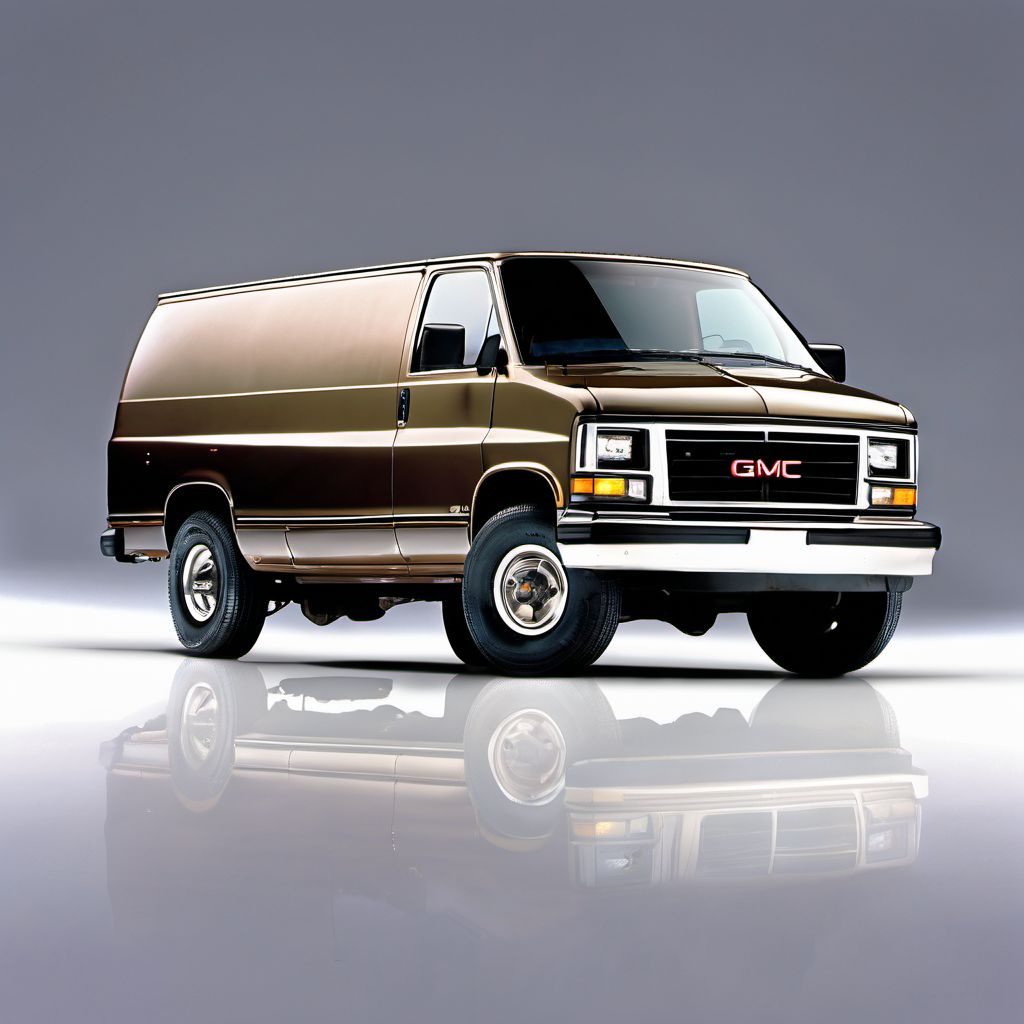
For buyers who need a step up in cargo capacity, the full-size Vandura offers more room and a choice of V6 or V8, with the same GM truck parts commonality.