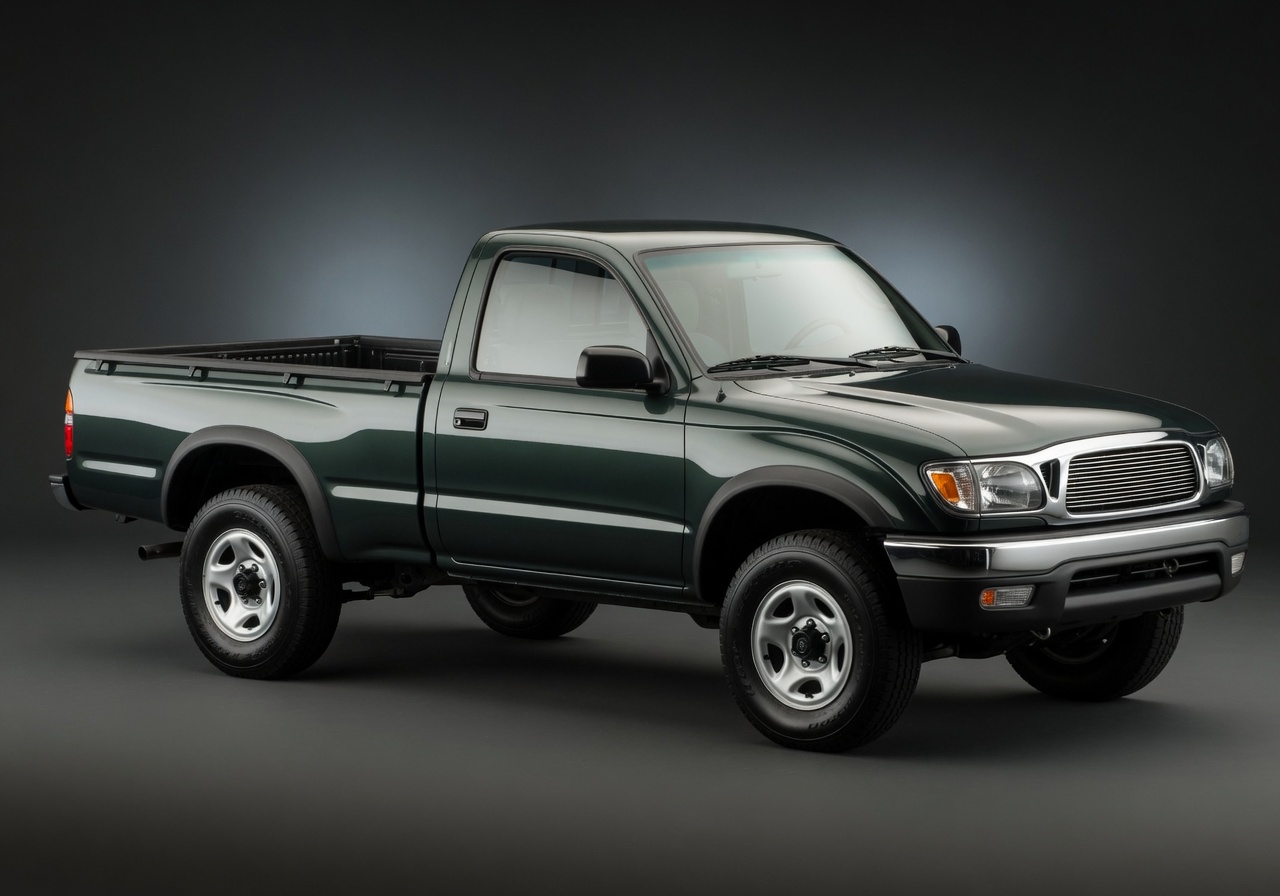
1996 Toyota Tacoma Regular Cab Pickup

1996 Toyota

Tacoma Regular CabPickup

2.4L I4 · Pickup

The 1996 Toyota Tacoma Regular Cab was the very first model year of the Tacoma nameplate, replacing the long-running Pickup (Hilux-based) series. It arrived with a fresh, more modern platform but retained Toyota's reputation for bulletproof reliability. The regular cab short-bed configuration keeps weight low and maneuverability high, making it a favorite for both daily drivers and work trucks. Powered by either a 2.4L four-cylinder or an optional 2.7L four-cylinder, the base drivetrain is simple and proven. The 2.7L with the available 5-speed manual in particular has earned a cult following for its longevity. Many first-gen Tacomas are still on the road with well over 200,000 miles on the clock with only basic maintenance. The biggest concern on any first-gen Tacoma — especially one from the upper Midwest — is frame rust. Toyota issued a frame recall/inspection program for corrosion, and many 1996 trucks were affected. A used example in Wisconsin absolutely must have its frame professionally inspected before purchase. Otherwise, this is one of the most dependable compact pickups ever built.

Reliability
5/5
Verified data
Engine
2.4L I4
Drivetrain
RWD
Fuel
Gasoline
MPG
22 city / 27 hwy / 24 combined
Seats
3
Doors
2
Body
Pickup
MSRP
$11,700

Overview

AI-curated

The 1996 Toyota Tacoma Regular Cab was the very first model year of the Tacoma nameplate, replacing the long-running Pickup (Hilux-based) series. It arrived with a fresh, more modern platform but retained Toyota's reputation for bulletproof reliability. The regular cab short-bed configuration keeps weight low and maneuverability high, making it a favorite for both daily drivers and work trucks. Powered by either a 2.4L four-cylinder or an optional 2.7L four-cylinder, the base drivetrain is simple and proven. The 2.7L with the available 5-speed manual in particular has earned a cult following for its longevity. Many first-gen Tacomas are still on the road with well over 200,000 miles on the clock with only basic maintenance. The biggest concern on any first-gen Tacoma — especially one from the upper Midwest — is frame rust. Toyota issued a frame recall/inspection program for corrosion, and many 1996 trucks were affected. A used example in Wisconsin absolutely must have its frame professionally inspected before purchase. Otherwise, this is one of the most dependable compact pickups ever built.

Known for
  • Exceptional long-term reliability and high-mileage capability
  • Simple, easy-to-work-on 4-cylinder engines
  • Strong resale value even at high mileage
  • Capable off-road performance in 4WD trims
Best for
  • Buyers who want a simple, reliable daily driver or work truck
  • Light off-road and trail use (4WD models)
  • Budget-conscious owners who do their own maintenance
  • Drivers who prioritize longevity over features
Watch for
  • Severe frame rust — a known Toyota recall issue on first-gen Tacomas
  • Rear leaf spring perch and frame rail corrosion from road salt
  • Rust on rocker panels, cab corners, and bed floor
  • Automatic transmission durability is weaker than the manual option

Common issues by mileage

6 known

Frame corrosion and rust perforation

high
Typically appears
All mileages — age and salt exposure are the drivers
Estimated repair
$500 – $5,000

Rear leaf spring perch rust-through

high
Typically appears
100k+ mi / 15+ years in salt states
Estimated repair
$400 – $1,200

Oxygen sensor failure (upstream and downstream)

medium
Typically appears
80–150k mi
Estimated repair
$80 – $250

Automatic transmission wear and slipping

medium
Typically appears
120k–180k mi
Estimated repair
$800 – $2,800

Radiator failure / coolant leak (plastic-tank radiators)

medium
Typically appears
100k–160k mi
Estimated repair
$250 – $550

Rear differential seal and bearing wear

low
Typically appears
150k+ mi
Estimated repair
$150 – $600

Maintenance schedule

  1. 1
    Every 5,000 miles or 6 months Engine oil and filter change

    These engines are old enough that they predate extended-drain schedules. Conventional or synthetic 5W-30 on a 5,000-mile interval keeps sludge at bay and protects high-mileage rings and bearings.

  2. 2
    Every 2 years / 30,000 miles Coolant flush and thermostat inspection

    Aging plastic radiator end-tanks and water pumps are a common failure point. Fresh coolant inhibits corrosion inside the block and helps catch a weakening thermostat before it causes overheating.

  3. 3
    Annually — every fall before winter Frame and underbody rust inspection with undercoating treatment

    Wisconsin road salt is the single biggest threat to this truck's lifespan. Annual inspection and a fresh coat of undercoating on exposed frame rails can add years of service life. Pay special attention to rear spring perches.

  4. 4
    Every 30,000 miles Spark plugs and ignition wires

    The 2.4L uses a distributor-based ignition. Old plugs and cracked plug wires cause rough cold starts and reduced fuel economy — especially noticeable in Wisconsin winters.

  5. 5
    Every 60,000 miles Timing belt and water pump replacement

    The 2.4L (22RE/2RZ) and 2.7L (3RZ) are interference engines. A snapped timing belt means bent valves and a significant repair bill. Always replace the water pump at the same time — labor overlap makes it cost-effective.

  6. 6
    Every 2 years Brake fluid flush

    Brake fluid absorbs moisture over time, lowering its boiling point. On a truck this age, old fluid also accelerates internal corrosion in the ABS module and wheel cylinders.

  7. 7
    Every 30,000 miles Differential fluid change (front and rear)

    Especially important on 4WD models. Old gear oil breaks down and leaves bearings and ring-and-pinion gears vulnerable. On trucks used in mud or water, change it sooner.

  8. 8
    Every fall, before winter Battery load test

    Cold-cranking capacity drops sharply in sub-zero temps. A battery that tests fine in September can strand you in January. Tacomas this age often have original or near-original-age batteries in lightly used examples.

Always defer to the manufacturer's service manual for warranty-mandated intervals.

Cost of ownership

Annual maintenance
$400 – $900
Fuel
With a combined EPA estimate around 24 MPG, expect roughly $1,200–$1,600/year at average Wisconsin driving distances (~12,000 mi/yr) and current gas prices. The 2.7L four-cylinder version sees slightly lower economy.
Insurance
Generally low — older trucks with modest book values are inexpensive to insure. Expect $700–$1,100/year for full coverage depending on driving history and location.

First-gen Tacomas are among the cheapest compact trucks to own long-term. Parts are inexpensive and widely available. The main budget wildcard is frame and body rust remediation, which can range from a modest annual undercoating job to a significant structural repair on a neglected truck. Budget accordingly based on your pre-purchase inspection results.

Seasonal care

Lake Geneva, WI
Winter
  • Have the frame, spring perches, and rocker panels inspected and treated with undercoating or rust inhibitor before first snowfall — Lake Geneva roads are heavily salted.
  • Load-test the battery every October. Cold-cranking amps drop fast below 0°F and this truck's age means the battery may already be marginal.
  • Switch to 5W-30 full synthetic oil if not already in use — it flows faster at sub-zero temperatures for easier cold starts.
  • Replace wiper blades with winter-rated blades and fill the washer reservoir with -20°F or colder rated fluid. The standard reservoir is not heated.
  • Flush out road salt from the wheel wells and undercarriage with fresh water during winter thaws to slow corrosion.
  • Confirm the four-wheel drive engagement (if equipped) works properly before you need it — test it in an empty parking lot early in the season.
Summer
  • Check tire pressure monthly — pressure drops roughly 1 PSI for every 10°F of temperature change, and summer heat can cause underinflated tires to overheat.
  • Inspect the radiator and coolant hoses for cracks or swelling before hot weather arrives. These trucks' plastic-tank radiators age poorly and summer heat accelerates failure.
  • Test the A/C system in spring — the R-134a charge on a 1996 truck is likely diminished after 28+ years. A proper recharge and dye test will find any leaks.
  • Check the serpentine/accessory belt for glazing and cracking. Heat and age both accelerate belt wear and a failure leaves you without power steering, charging, and cooling.

Comparable vehicles

1996 Nissan
Pickup (Hardbody)

Direct competitor of the same era — compact RWD/4WD pickup with a simple four-cylinder. Slightly less reliable long-term than the Tacoma but still a capable, affordable small truck.

No catalog match
1996 Ford Ranger
1996 Ford
Ranger

Same class and mission, available in regular cab. More common in the used market but the 2.3L and 2.9L engines have more known issues than the Toyota fours. Worth comparing on price and condition.
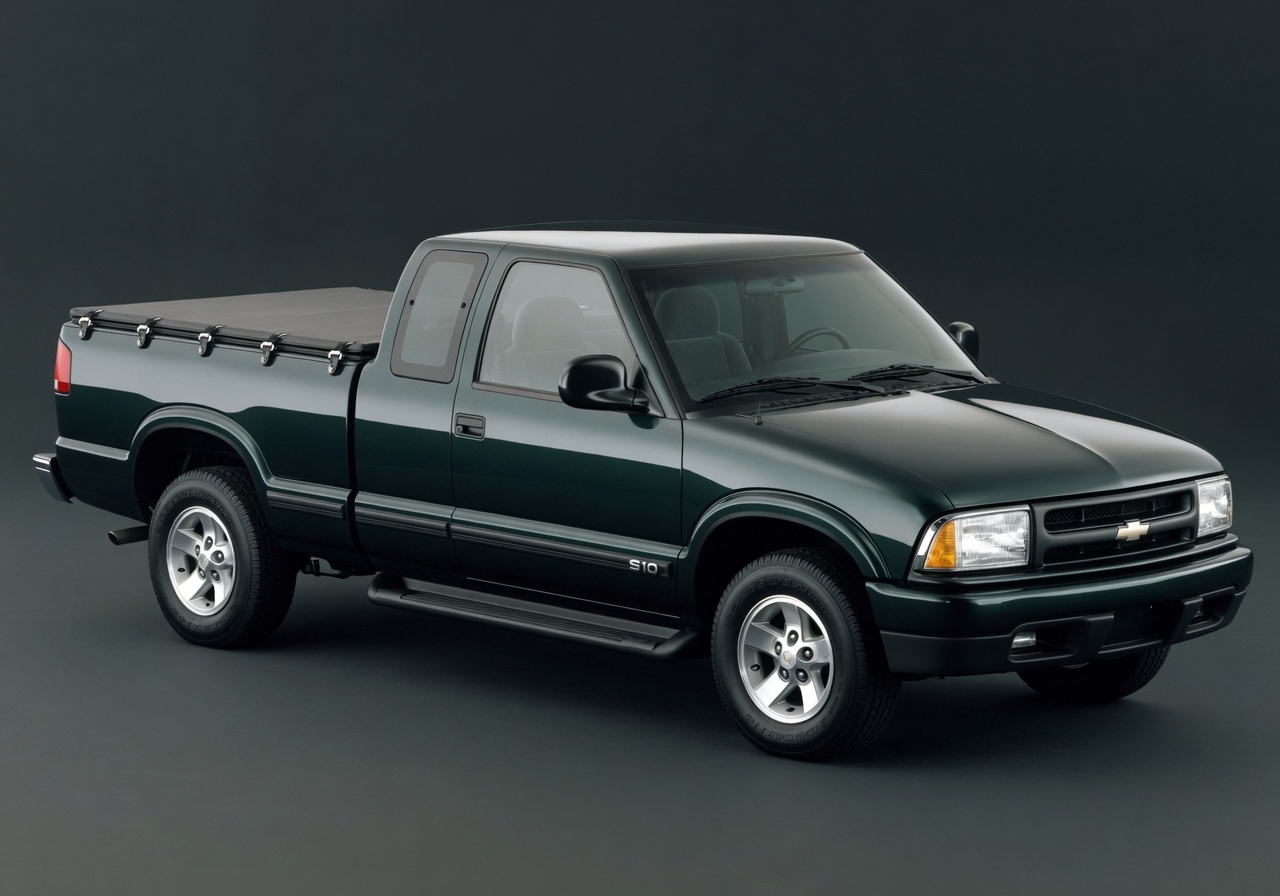
1996 Chevrolet S-10
1996 Chevrolet
S-10

GM's compact pickup entry of the same period. Widely available and cheap to source parts for, but generally considered less durable long-term than the Tacoma at comparable mileages.

1996 Mazda
B-Series (B2300/B3000)

Rebadged Ranger sharing the same platform. A reasonable alternative if priced right, but shares the Ranger's engine and rust concerns. Less common, which can mean harder-to-find body parts.

No catalog match

If you're shopping for one

Red flags
  • Any flex or cracking in the frame rails — poke with a screwdriver. If it punches through, walk away.
  • Rear spring perches that look swollen, flaky, or have been repaired with body filler or spray paint to hide rust.
  • Rocker panels and cab corners with bubbling paint or soft spots — structural rust here is expensive to repair properly.
  • An automatic transmission that hesitates, slips, or clunks when shifting — rebuilds are costly relative to the truck's value.
  • Any signs of overheating history: white residue in the coolant reservoir, a stained head gasket area, or milky oil on the dipstick.
  • A timing belt with unknown replacement history — if the seller can't confirm it's been done within 60k miles, budget for it immediately.
What to inspect
  • Full undercarriage and frame inspection — ideally on a lift. This is non-negotiable for a Wisconsin-area first-gen Tacoma.
  • Timing belt and water pump condition and replacement records.
  • Coolant color and condition — should be clean, not rusty brown or oily.
  • 4WD engagement (if equipped) — test both 4-Hi and 4-Lo in a parking lot before buying.
  • Oxygen sensor function — a proper scan for codes like P0030, P0031, P0032, P0036 will reveal emissions system health.
  • Brake lines and proportioning valve for rust and leaks — these run along the frame and are vulnerable to the same corrosion.
AI profile generated 7 days ago · claude-sonnet-4-6 · v2.