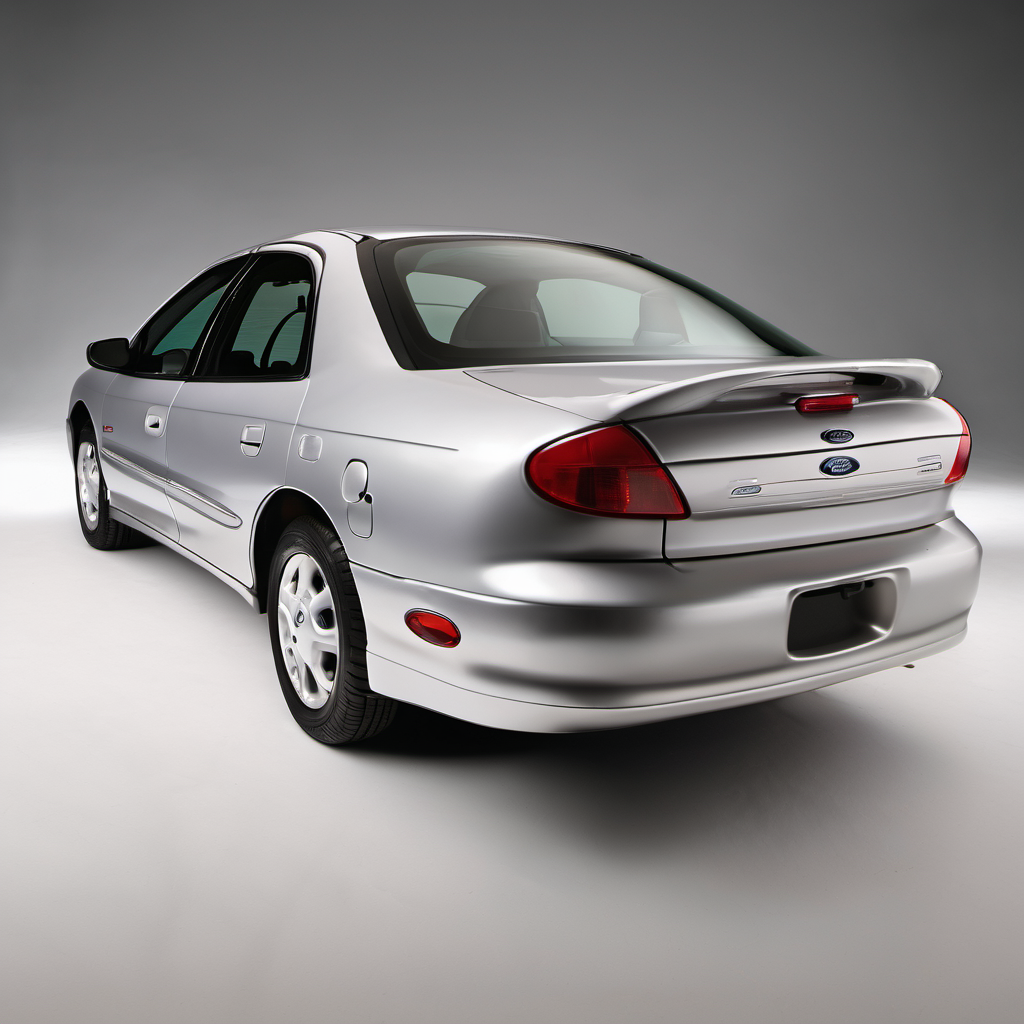
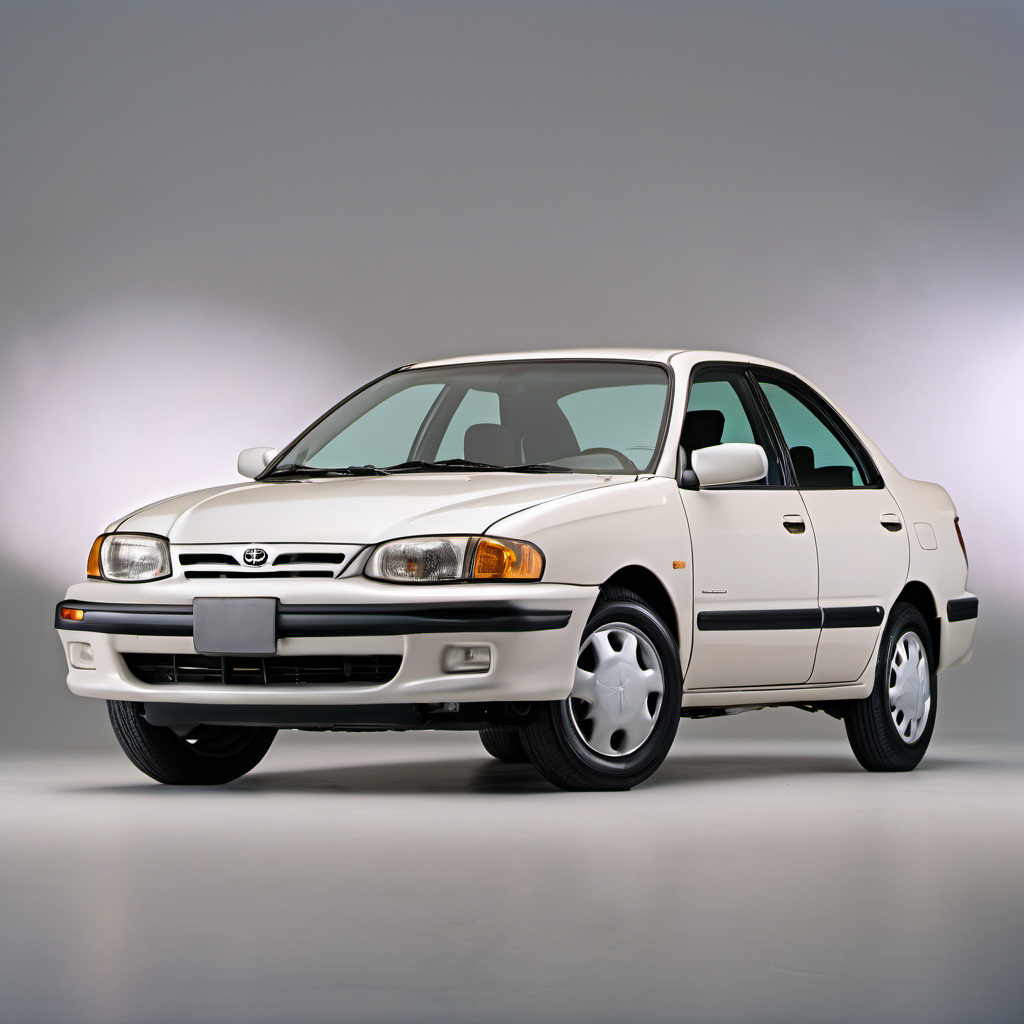
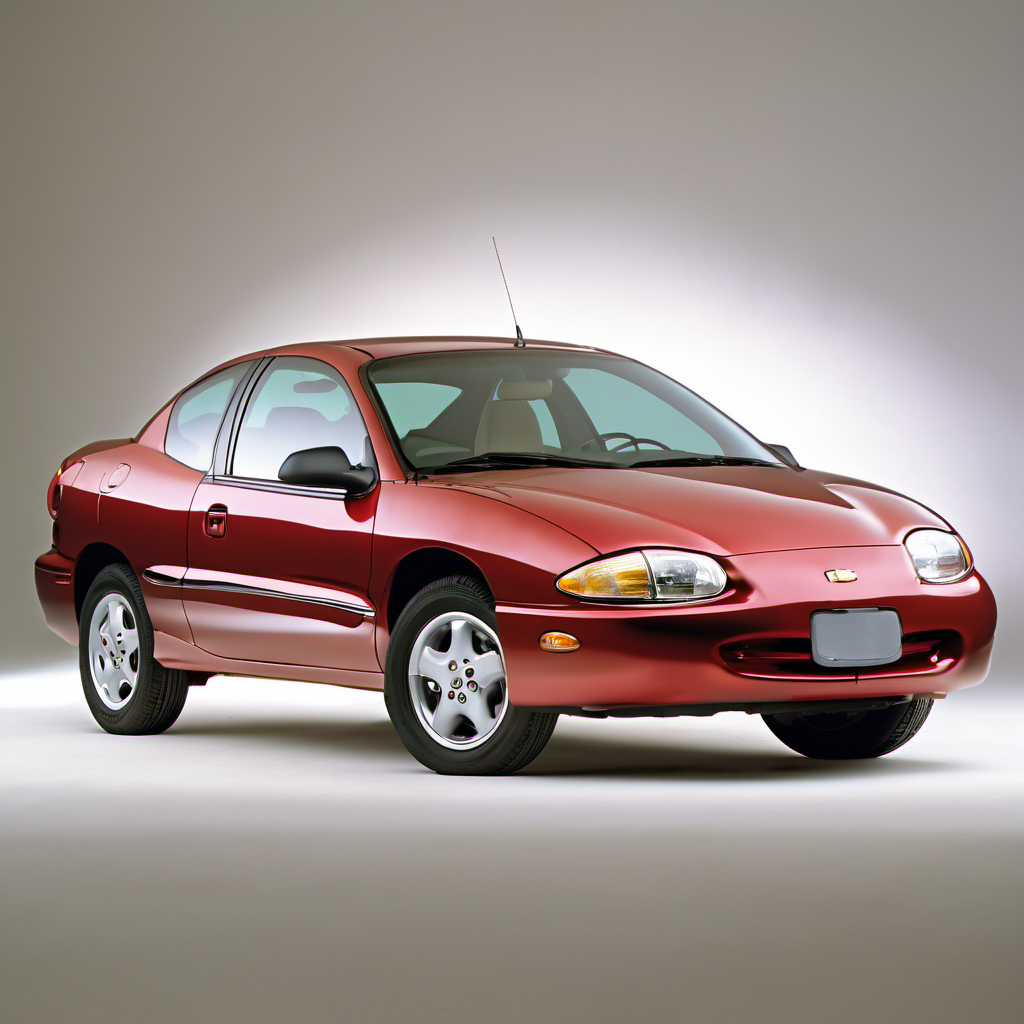
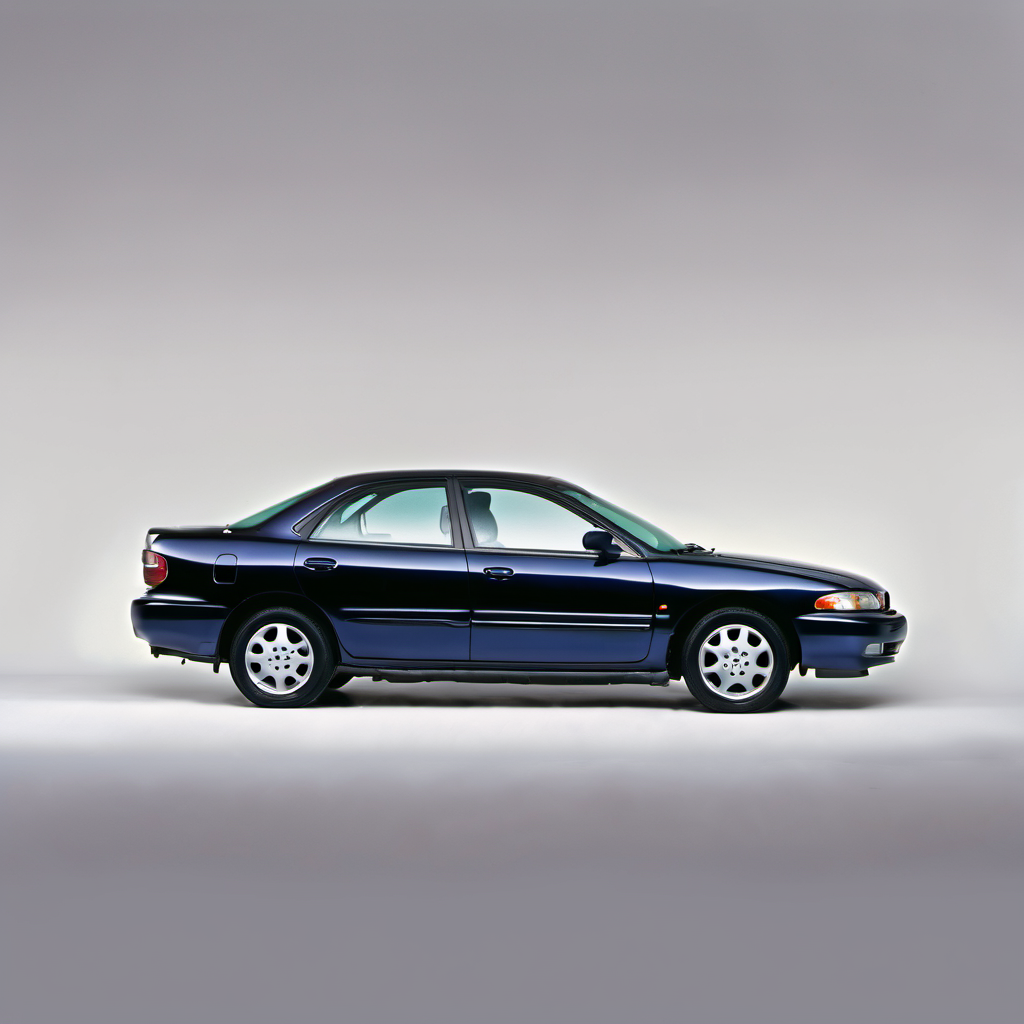
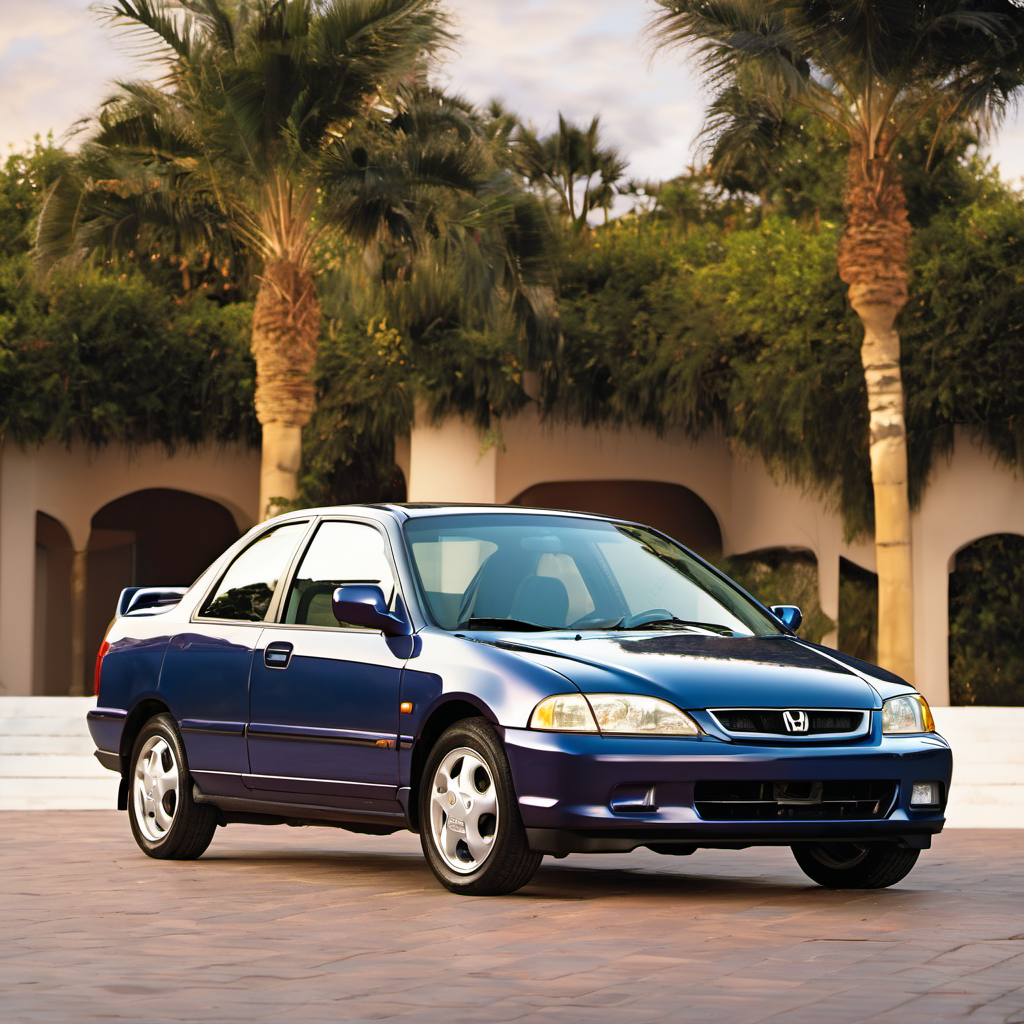
1998 Ford Contour Sedan

1998 Ford

ContourSedan

Sedan

The 1998 Ford Contour is a front-wheel-drive compact sedan built on the Ford CDW27 platform, shared with the European Ford Mondeo. It was Ford's attempt to bring a more European driving feel to the American compact market, and in many ways it succeeded — the Contour handles well for its class with a taut suspension and precise steering. The base engine is a 2.0L Zetec inline-four paired to a 5-speed manual or 4-speed automatic. A sportier SVT Contour variant with a 2.5L V6 was also offered, though the standard 4-cylinder sedan is the volume seller. By 1998 the Contour was in the middle of its second (and final) generation run. Ford had addressed some early reliability concerns, but the car carries a reputation for being more maintenance-sensitive than domestic competitors. Interior parts, especially climate control components and window regulators, are known weak points. Finding replacement parts is increasingly difficult as this car ages — something any prospective buyer should weigh seriously. At 25+ years old, most surviving Contours will have high mileage and a spotty maintenance history. They can still be enjoyable daily drivers if bought in known condition, but deferred maintenance on this car compounds quickly and repair costs can exceed the car's market value in a hurry.

Reliability
2/5
Verified data
Specs shown for Contour — the most common configuration. Other trims may vary in engine, drivetrain, or fuel economy. Sign in to see your vehicle's exact specs.
Engine
[object Object]
Drivetrain
FWD
Fuel
Gasoline
MPG
21 city / 30 hwy / 24 combined
Seats
Doors
Body
Compact Cars

Overview

AI-curated

The 1998 Ford Contour is a front-wheel-drive compact sedan built on the Ford CDW27 platform, shared with the European Ford Mondeo. It was Ford's attempt to bring a more European driving feel to the American compact market, and in many ways it succeeded — the Contour handles well for its class with a taut suspension and precise steering. The base engine is a 2.0L Zetec inline-four paired to a 5-speed manual or 4-speed automatic. A sportier SVT Contour variant with a 2.5L V6 was also offered, though the standard 4-cylinder sedan is the volume seller. By 1998 the Contour was in the middle of its second (and final) generation run. Ford had addressed some early reliability concerns, but the car carries a reputation for being more maintenance-sensitive than domestic competitors. Interior parts, especially climate control components and window regulators, are known weak points. Finding replacement parts is increasingly difficult as this car ages — something any prospective buyer should weigh seriously. At 25+ years old, most surviving Contours will have high mileage and a spotty maintenance history. They can still be enjoyable daily drivers if bought in known condition, but deferred maintenance on this car compounds quickly and repair costs can exceed the car's market value in a hurry.

Known for
  • European-influenced handling and ride quality
  • Willing 2.0L Zetec four-cylinder engine
  • Tight, sporty cabin feel uncommon in American compacts of the era
  • Shared platform with the Ford Mondeo
Best for
  • Budget-conscious drivers who want a decent-handling used sedan
  • DIY mechanics comfortable with older Ford platforms
  • Short-distance commuters who can tolerate aging interior quirks
Watch for
  • Aging cooling system components — head gasket and coolant leaks are serious concerns
  • Climate control (EATC) failures are common and parts are increasingly scarce
  • Subframe and underbody rust, especially on Wisconsin/salt-belt cars
  • Power window regulator failures
  • Thin parts availability for a 25+ year-old discontinued model

Common issues by mileage

6 known

Cooling system failure / head gasket

high
Typically appears
80–150k mi
Estimated repair
$900 – $2,200

Electronic Automatic Temperature Control (EATC) failure

high
Typically appears
60–120k mi
Estimated repair
$150 – $600

Power window regulator failure

high
Typically appears
70–130k mi
Estimated repair
$120 – $300

Oxygen sensor / heated O2 sensor circuit failure

medium
Typically appears
80–130k mi
Estimated repair
$150 – $350

Subframe and underbody rust (salt-belt corrosion)

high
Typically appears
Any mileage on Midwest/road-salt cars
Estimated repair
$400 – $2,500

Front suspension bushing and ball joint wear

medium
Typically appears
90–150k mi
Estimated repair
$300 – $800

Maintenance schedule

  1. 1
    Every 2 years or 30k mi — more frequently on high-mileage examples Coolant system flush and pressure test

    The Zetec engine is sensitive to cooling system neglect. Degraded coolant accelerates head gasket wear. Always pressure-test before purchase and at each service on a car this age.

  2. 2
    Every 60k mi or if cracking/glazing is visible Serpentine belt and tensioner replacement

    Belt failure leaves you stranded. The tensioner on these cars often weakens before the belt itself shows obvious wear.

  3. 3
    Every 30k mi Spark plugs and ignition wires

    The Zetec 2.0L prefers fresh plugs and wires to maintain smooth idle and fuel economy. Misfires on an aging car stress the catalytic converter.

  4. 4
    Every 30k mi on a car this age regardless of prior history Transmission fluid change (automatic)

    The 4-speed automatic in these cars is not robust. Burned or neglected fluid accelerates wear dramatically. Assume the worst on any used example.

  5. 5
    Every spring after winter, and before purchase Underbody rust inspection

    Wisconsin road salt attacks the subframe, brake lines, and fuel lines. Catch rust early — once subframe or brake lines are compromised, repair costs can exceed car value.

  6. 6
    Every spring and fall Brake line inspection

    Steel brake lines on this vintage Ford corrode from the inside out in salt-belt states. Inspect annually; replace with stainless-sleeved lines if budget allows.

  7. 7
    Every 15–20k mi Air filter and throttle body cleaning

    A dirty throttle body causes rough idle on the Zetec. Simple cleaning at each air filter change keeps idle quality consistent.

  8. 8
    Every fall before winter Battery load test

    Sub-zero Lake Geneva winters are hard on any battery. A 25-year-old car's charging system should be tested every autumn — a weak battery in January is a guaranteed bad morning.

Always defer to the manufacturer's service manual for warranty-mandated intervals.

Cost of ownership

Annual maintenance
$600 – $1,800
Fuel
At 24 MPG combined and typical Wisconsin driving, expect roughly $1,400–$1,800/year at current fuel prices. The 2.0L is reasonably efficient for a late-90s compact.
Insurance
Liability-only insurance is typical for a vehicle at this value — expect $400–$700/year for a clean driving record in the Lake Geneva area. Full coverage rarely makes financial sense given the car's market value.

The Contour is an inexpensive car to buy but not always cheap to own. Routine maintenance is affordable, but aging components — HVAC, cooling system, suspension, and increasingly scarce body parts — can generate repair bills that quickly exceed the car's resale value. Budget a repair reserve and set a ceiling on how much you're willing to invest before walking away.
Seasonal care

Lake Geneva, WI
Winter
  • Test the battery every fall — sub-zero Wisconsin cold will kill a weak battery fast, and this car's alternator and charging system are aging.
  • Switch to a full-synthetic 5W-30 motor oil if not already; it flows far better at cold start in January than conventional oil.
  • Inspect and treat all underbody surfaces and wheel wells with rust inhibitor before first snowfall — salt is the Contour's biggest long-term enemy.
  • Check brake lines visually every fall; salt-corroded lines can fail without warning in winter braking conditions.
  • Use a winter-rated washer fluid rated to at least -20°F; the reservoir and pump on these cars are not protected from freezing.
  • Keep the fuel tank at least half-full in very cold stretches to reduce condensation in the fuel system.
Summer
  • Inspect the cooling system thoroughly before summer heat — check hoses, clamps, the radiator cap, and thermostat. This engine does not tolerate overheating.
  • Check tire pressure monthly; Wisconsin summer heat causes significant pressure swings between cool mornings and hot afternoons.
  • Verify A/C operation early in the season — the EATC system on these cars is finicky and refrigerant leaks or blend door failures are common.
  • Inspect the serpentine belt for cracking or glazing; summer heat accelerates belt degradation on a car this age.

Comparable vehicles

If you're shopping for one

Red flags
  • Any sign of coolant in the oil (milky residue on dipstick or oil cap) — walk away immediately, head gasket repair on a car worth this little is rarely sensible.
  • Rust on the subframe, rear suspension mounting points, or brake/fuel lines — structural rust can make the car dangerous and uneconomical to repair.
  • EATC climate control that won't respond or blows only one temperature — parts are scarce and this can be expensive to fix.
  • Automatic transmission that slips, hesitates, or shudders — rebuilds cost more than the car is worth.
  • Any smoke from the exhaust at operating temperature — blue (oil) or white (coolant) smoke signals costly engine trouble.
What to inspect
  • Pressure-test the cooling system cold before buying — this is non-negotiable on a 25-year-old Zetec engine.
  • Lift the car and inspect all four corners of the subframe and underbody for rust perforation, especially if the car has lived in Wisconsin or any salt-belt state.
  • Test every power window multiple times — regulators fail frequently and replacements are hard to find.
  • Check the oil filler cap interior for any milky, creamy residue indicating coolant intrusion.
  • Drive it hard enough to bring the engine fully up to temperature, then watch for the temp gauge climbing above normal — a sign of cooling system trouble.
  • Have an independent shop pull any stored DTCs before purchase; oxygen sensor codes (P0030–P0036) and cooling-related codes on a car this age indicate deferred maintenance.
AI profile generated 5 days ago · claude-sonnet-4-6 · v2.