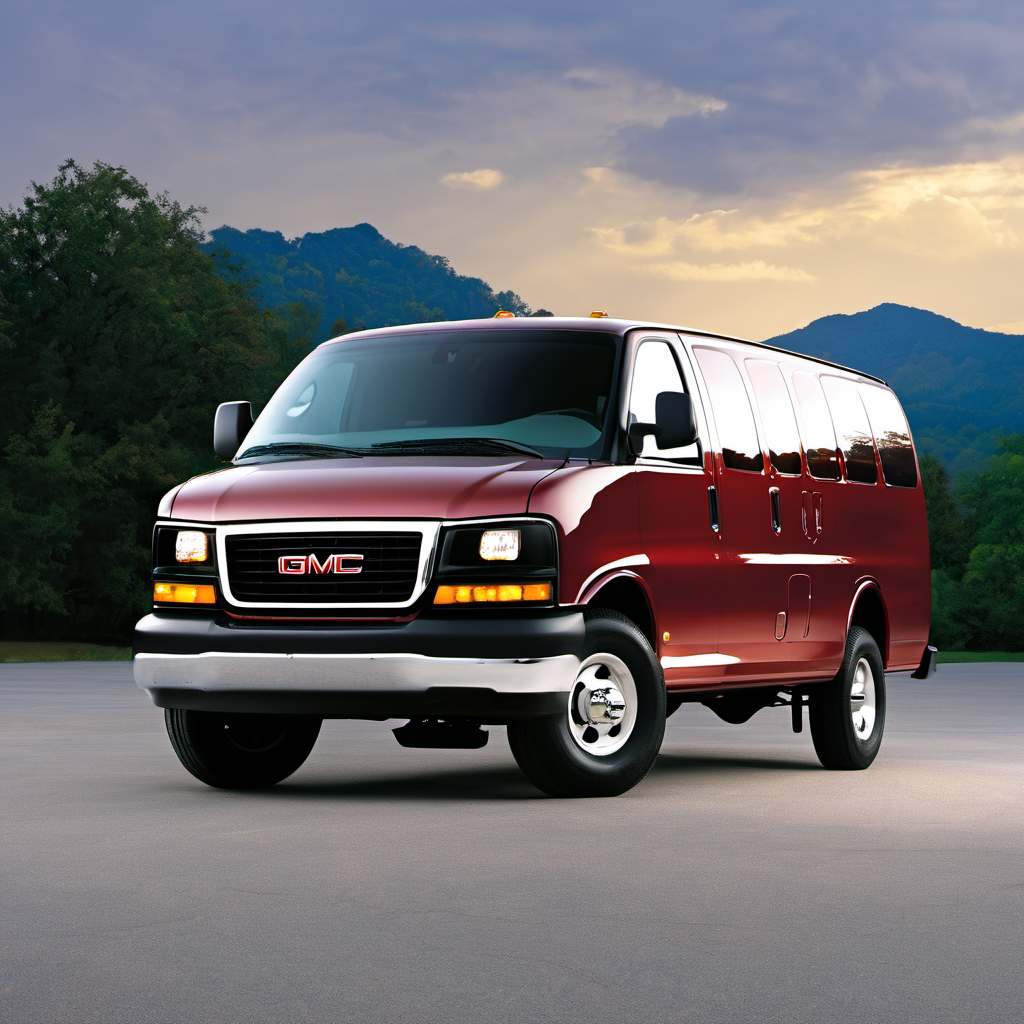
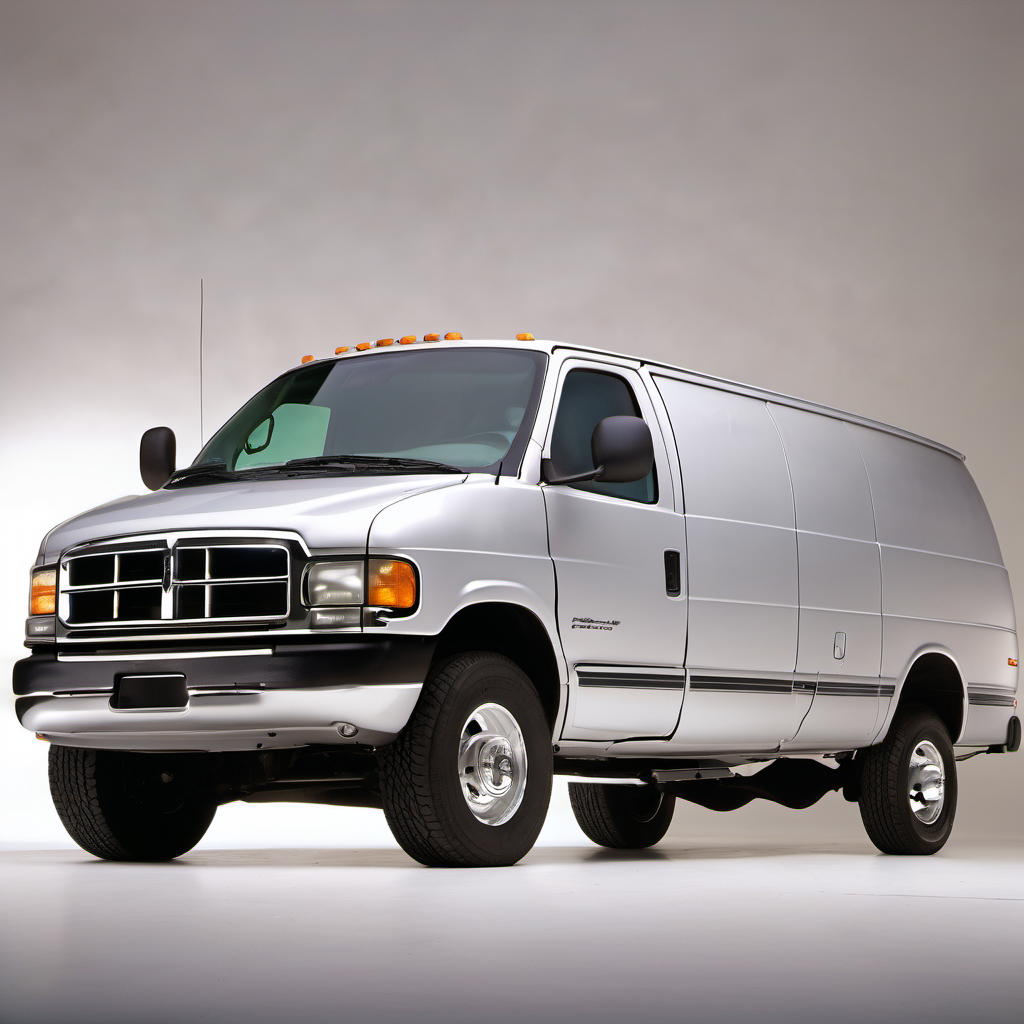
2000 Ford Econoline E350 Super Duty Passenger Van/Minivan

2000 Ford

Econoline E350 Super Duty PassengerVan/Minivan

5.4L Triton V8 · Van/Minivan

The 2000 Ford Econoline E350 Super Duty Passenger Van is the heavy-duty variant of Ford's long-running full-size van platform, built to carry up to 15 passengers or haul serious cargo. The E350 rides on a heavier frame and beefier axles than the lighter E150/E250, making it the go-to chassis for church shuttles, hotel transports, camper conversions, and small fleet operators. By 2000, Ford had refined this platform over decades and it was well understood by mechanics everywhere. Under the hood, the most common engine is the 5.4L Triton V8, with the 6.8L Triton V10 available for maximum towing and payload. Both engines pair with Ford's 4R100 4-speed automatic transmission. These engines are workhorses, but they do have known weak points—spark plug blowout on the 5.4L and coil failures are the two biggest items to watch on these miles-loaded vans. At 25 years old, any example you find today has almost certainly seen hard commercial or institutional use. Frame rust, high-mile drivetrain wear, and deferred maintenance are the norm, not the exception. Buy with eyes wide open and a full inspection in hand.

Reliability
3/5
Verified data
Engine
5.4L Triton V8
Drivetrain
RWD
Fuel
Gasoline
MPG
13 city / 17 hwy / 14 combined
Seats
15
Doors
3
Body
Van
MSRP
$28,500

Overview

AI-curated

The 2000 Ford Econoline E350 Super Duty Passenger Van is the heavy-duty variant of Ford's long-running full-size van platform, built to carry up to 15 passengers or haul serious cargo. The E350 rides on a heavier frame and beefier axles than the lighter E150/E250, making it the go-to chassis for church shuttles, hotel transports, camper conversions, and small fleet operators. By 2000, Ford had refined this platform over decades and it was well understood by mechanics everywhere. Under the hood, the most common engine is the 5.4L Triton V8, with the 6.8L Triton V10 available for maximum towing and payload. Both engines pair with Ford's 4R100 4-speed automatic transmission. These engines are workhorses, but they do have known weak points—spark plug blowout on the 5.4L and coil failures are the two biggest items to watch on these miles-loaded vans. At 25 years old, any example you find today has almost certainly seen hard commercial or institutional use. Frame rust, high-mile drivetrain wear, and deferred maintenance are the norm, not the exception. Buy with eyes wide open and a full inspection in hand.

Known for
  • Proven, long-running Triton V8/V10 engine lineup
  • Class-leading passenger and cargo capacity for a full-size van
  • Simple, mechanic-friendly body-on-frame construction
  • Widely available parts at reasonable cost
Best for
  • Church or shuttle fleet operators
  • Camper/conversion van builds
  • Work crews needing to haul tools and people
  • Buyers who need towing capacity alongside passenger room
Watch for
  • Spark plug thread blowout on 5.4L Triton (threads pull from aluminum heads)
  • Rear axle and leaf spring rust from road salt — critical in Wisconsin
  • 4R100 transmission failures at higher mileage, especially under heavy load
  • Extensive frame and underbody rust on vehicles with commercial or northern use
  • Fuel pump failures becoming increasingly common on 20+ year old examples

Common issues by mileage

6 known

Spark Plug Thread Blowout (5.4L Triton V8)

high
Typically appears
80–200k mi
Estimated repair
$300 – $900

Ignition Coil-on-Plug Failures (5.4L Triton)

high
Typically appears
60–150k mi
Estimated repair
$80 – $350

4R100 Transmission Slipping or Failure

medium
Typically appears
100–200k mi
Estimated repair
$1,800 – $3,800

Fuel Pump Failure

medium
Typically appears
100k+ mi
Estimated repair
$400 – $750

Rear Leaf Springs and Shackle Rust/Failure

high
Typically appears
Any mileage on salt-road vehicles
Estimated repair
$300 – $900

Oxygen Sensor Heater Circuit Faults

medium
Typically appears
80–150k mi
Estimated repair
$100 – $350

Maintenance schedule

  1. 1
    Every 60k mi — earlier if any misfires appear Spark plug inspection and replacement

    The 5.4L Triton's aluminum heads are prone to thread blowout if plugs are left too long or over-torqued. Always use the correct Ford-spec plugs and have a shop experienced with this engine do the job.

  2. 2
    Every 30k mi under normal use; every 20k mi if used for towing or passenger loads Transmission fluid and filter service

    The 4R100 runs hot under heavy loads. Fresh fluid is the single cheapest insurance against a very expensive rebuild.

  3. 3
    Every spring after winter season Full underbody rust inspection

    Wisconsin road salt is brutal on the E350's frame rails, leaf spring shackles, brake lines, and fuel lines. Catching rust-through early is far cheaper than replacing failed brake or fuel lines roadside.

  4. 4
    Annually — every spring Brake line and fuel line inspection

    Steel lines on 25-year-old vans in the upper Midwest are at serious rust-through risk. A failed brake line is a safety emergency; catch it on the lift.

  5. 5
    Every 2 years or 30k mi Engine coolant flush and thermostat check

    The 5.4L runs warm, especially loaded. Old coolant loses its corrosion inhibitors and can cause internal scale buildup and thermostat sticking.

  6. 6
    Every 30k mi or when any misfire code appears Coil-on-plug boot and coil inspection

    COP coils fail regularly on the Triton V8. Catching one bad coil early prevents a domino effect on neighboring plugs and coils.

  7. 7
    Every fall before winter season Battery load test

    A large van with a big V8 puts serious demands on the battery in sub-zero Lake Geneva winters. A marginal battery that starts fine in October will strand you in January.

  8. 8
    Every 6k–8k mi Tire rotation and brake inspection

    At 8,600 lbs GVWR loaded, brake wear is accelerated. The rear drums on the E350 are especially prone to wear when the van is carrying a full passenger load.

Always defer to the manufacturer's service manual for warranty-mandated intervals.

Cost of ownership

Annual maintenance
$900 – $2,500
Fuel
At 14 MPG combined and typical mixed driving, expect $2,800–$3,800/year in fuel at current Wisconsin gas prices. City-heavy or loaded use pushes toward the top of that range.
Insurance
Commercial passenger van classification typically runs $1,200–$2,200/year depending on use type, driver history, and whether it's insured for personal or fleet/livery use. Verify with your insurer — 15-passenger vans often require commercial coverage.

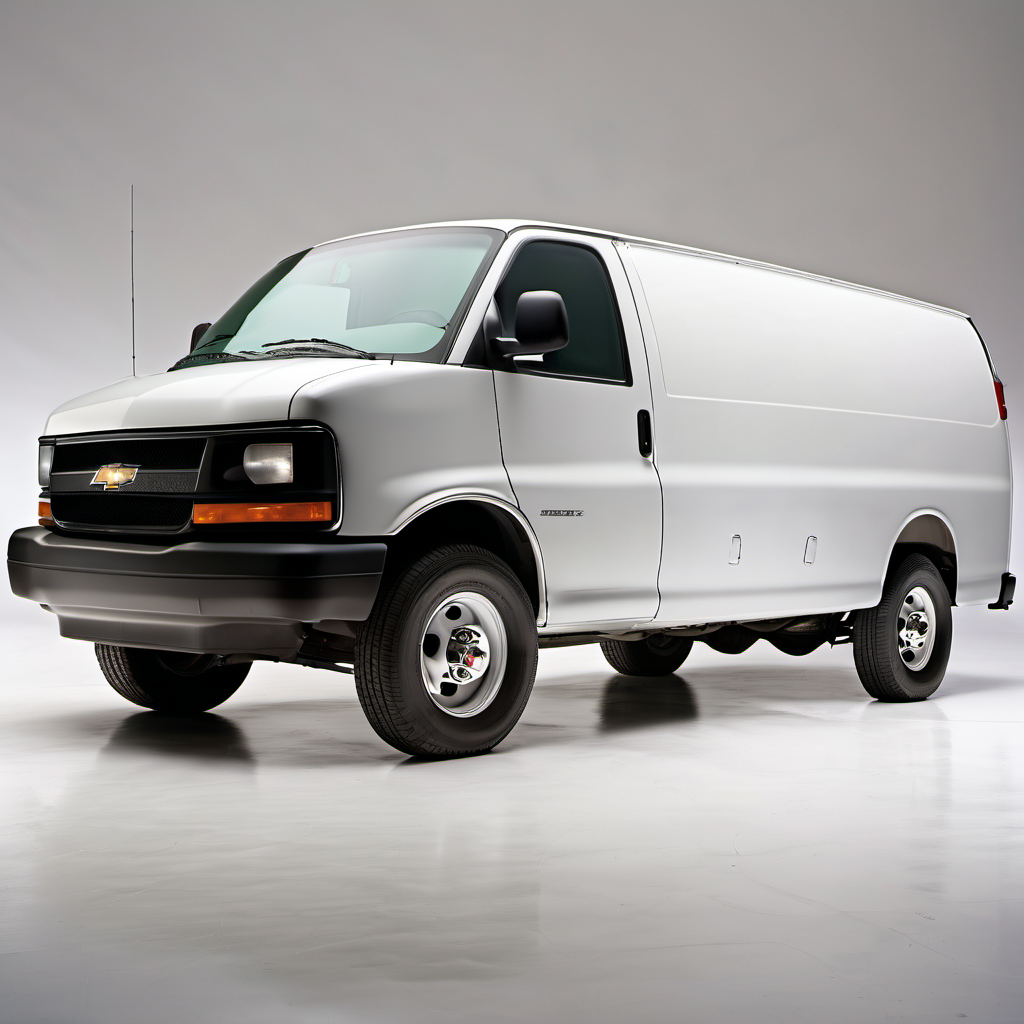
The E350 is inexpensive to buy used but has above-average operating costs. Fuel economy is poor by any modern standard, and when something goes wrong on the drivetrain or transmission, repair bills are proportional to the vehicle's size and weight. Budget generously for maintenance — especially brake lines, suspension, and transmission service — and this van can deliver solid value for high-capacity needs.
Seasonal care

Lake Geneva, WI
Winter
  • Load-test the battery every fall — the 5.4L V8 is a hard cold-weather starter and a weak battery won't cut it at -10°F
  • Switch to a 5W-30 full synthetic if not already using one; conventional oil thickens significantly below 0°F
  • Flush and refill windshield washer fluid with a rated -20°F or lower formula — the van's massive windshield ices quickly
  • Inspect and lubricate all door hinges and the large sliding side door track; salt and freeze-up can leave passengers trapped
  • Check brake lines and fuel lines for rust-through before winter sets in — a failure in Wisconsin cold is a dangerous situation
  • Keep the fuel tank at least half full to reduce condensation in the tank and fuel delivery problems in extreme cold
Summer
  • Check tire pressure monthly — a heavily loaded 15-passenger van with under-inflated tires is a blowout risk, especially on hot pavement
  • Service the A/C system before summer; the cabin is large and the compressor works hard — low refrigerant shows up fast in heat
  • Inspect the serpentine belt and tensioner; heat accelerates belt degradation and a snapped belt kills the A/C, power steering, and charging at once
  • Check coolant level and condition — heat soak on a loaded van idling in traffic can push temps into the danger zone with marginal coolant

Comparable vehicles

If you're shopping for one

Red flags
  • Any rust on the frame rails, leaf spring shackles, or rear crossmembers — in Wisconsin, this can be structural, not just cosmetic
  • Soft, slipping, or delayed transmission shifts — 4R100 rebuilds are expensive and a sure sign of deferred maintenance
  • Evidence of commercial or livery use (taxi markings, partition walls, wheelchair lift) without full maintenance records
  • Spark plug blowout — look for thread repair inserts or evidence of head gasket work on the 5.4L
  • Oil consumption or blue smoke at startup — worn valve seals are common on high-mile Triton V8s
  • No service records whatsoever on a 25-year-old vehicle — walk away unless the price reflects a parts-only purchase
What to inspect
  • Full underbody inspection on a lift — brake lines, fuel lines, frame, and leaf springs are the top priority
  • Transmission fluid condition and color (should be pink/red, not brown or burnt-smelling)
  • All eight spark plug bores for signs of thread repair or coolant intrusion
  • Rear brakes — drums, shoes, and wheel cylinders are hard workers on a loaded 15-passenger van
  • Sliding side door operation, latch engagement, and hinge condition
  • A/C system function and refrigerant charge — recharging a 25-year-old system often reveals bigger leaks
  • All eight coil-on-plug connectors for corrosion or cracking
  • Oxygen sensor wiring harness routing for chafing or rodent damage — common on older vans stored seasonally
AI profile generated 2 hr ago · claude-sonnet-4-6 · v2.