VTC (Variable Timing Control) solenoid sludging / camshaft timing faults
high- Typically appears
- 80–150k mi
- Estimated repair
- $300 – $900
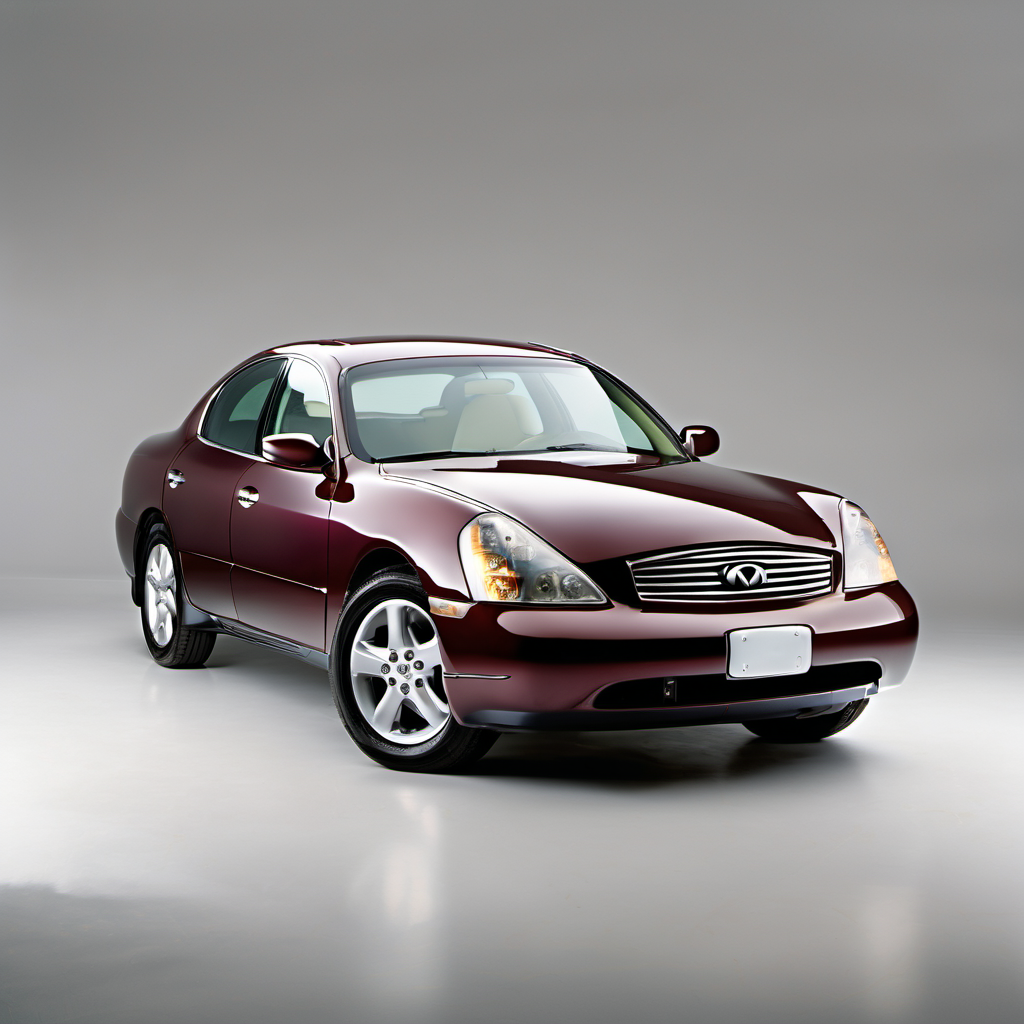
2001 INFINITI
4.5L V8 (VK45DE) · Sedan
The 2001 Infiniti Q45 is the fourth-generation flagship sedan from Infiniti, Nissan's luxury division. It rides on a dedicated rear-wheel-drive platform and is powered by a 4.5-liter V8 producing 340 horsepower — one of the more potent luxury sedans of its era. The Q45 was Infiniti's answer to the BMW 7 Series and Mercedes S-Class, offering a blend of Japanese reliability engineering and genuine performance. By 2001, the Q45 had matured into a refined, driver-focused luxury sedan with a well-sorted suspension, a large and comfortable interior, and abundant standard equipment. It never achieved the sales volumes of its German rivals, which ironically makes well-kept examples relatively rare and often undervalued on the used market. At 20+ years old, a 2001 Q45 is squarely in enthusiast/collector territory. Parts availability is shrinking, dealer support is essentially gone, and finding a shop familiar with the platform takes effort. That said, owners who maintain these cars properly report strong longevity from the VK45DE engine.
The 2001 Infiniti Q45 is the fourth-generation flagship sedan from Infiniti, Nissan's luxury division. It rides on a dedicated rear-wheel-drive platform and is powered by a 4.5-liter V8 producing 340 horsepower — one of the more potent luxury sedans of its era. The Q45 was Infiniti's answer to the BMW 7 Series and Mercedes S-Class, offering a blend of Japanese reliability engineering and genuine performance. By 2001, the Q45 had matured into a refined, driver-focused luxury sedan with a well-sorted suspension, a large and comfortable interior, and abundant standard equipment. It never achieved the sales volumes of its German rivals, which ironically makes well-kept examples relatively rare and often undervalued on the used market. At 20+ years old, a 2001 Q45 is squarely in enthusiast/collector territory. Parts availability is shrinking, dealer support is essentially gone, and finding a shop familiar with the platform takes effort. That said, owners who maintain these cars properly report strong longevity from the VK45DE engine.
The VK45DE's variable timing system is extremely sensitive to oil cleanliness. Sludge from extended intervals is the #1 cause of expensive camshaft timing repairs on this engine. Shorter intervals are cheap insurance.
Original hoses on a 2001 are 20+ years old. Coolant degrades and becomes corrosive. A cooling system failure on a V8 luxury sedan can cascade into a very expensive repair.
Infiniti's 5-speed automatic is durable but benefits from regular fluid changes, especially since fresh fluid is far cheaper than a transmission rebuild.
Brake fluid absorbs moisture over time, lowering its boiling point and promoting internal corrosion. Critical on an older vehicle where calipers and wheel cylinders are already aging.
The multi-link suspension delivers good handling when bushings are fresh but degrades noticeably as they age. Wisconsin freeze-thaw cycles accelerate rubber deterioration.
Road salt in Wisconsin causes accelerated corrosion on steel brake and fuel lines. Catching a pinhole before it becomes a failure is both safer and cheaper.
Sludge accumulation in the VTC solenoids is a known failure mode. Cleaning or replacing them proactively avoids costlier timing chain and camshaft damage.
A V8 luxury sedan draws significant cranking current. Cold Wisconsin winters expose a weak battery fast. Corroded terminals add resistance and can trigger phantom electrical faults on this car's aging electronics.
Always defer to the manufacturer's service manual for warranty-mandated intervals.
The Q45 was a $50k+ car when new and carries the repair complexity of that class, but today's used value is a fraction of that. Budget $1,200–$3,500/year for routine maintenance on a well-kept example; expect the higher end (or beyond) if deferred maintenance is being caught up on. Premium fuel, moderately poor fuel economy, and aging-specific repairs (bushings, hoses, sensors) are the main cost drivers. Parts for the VK45DE engine are still available but increasingly through specialty suppliers.
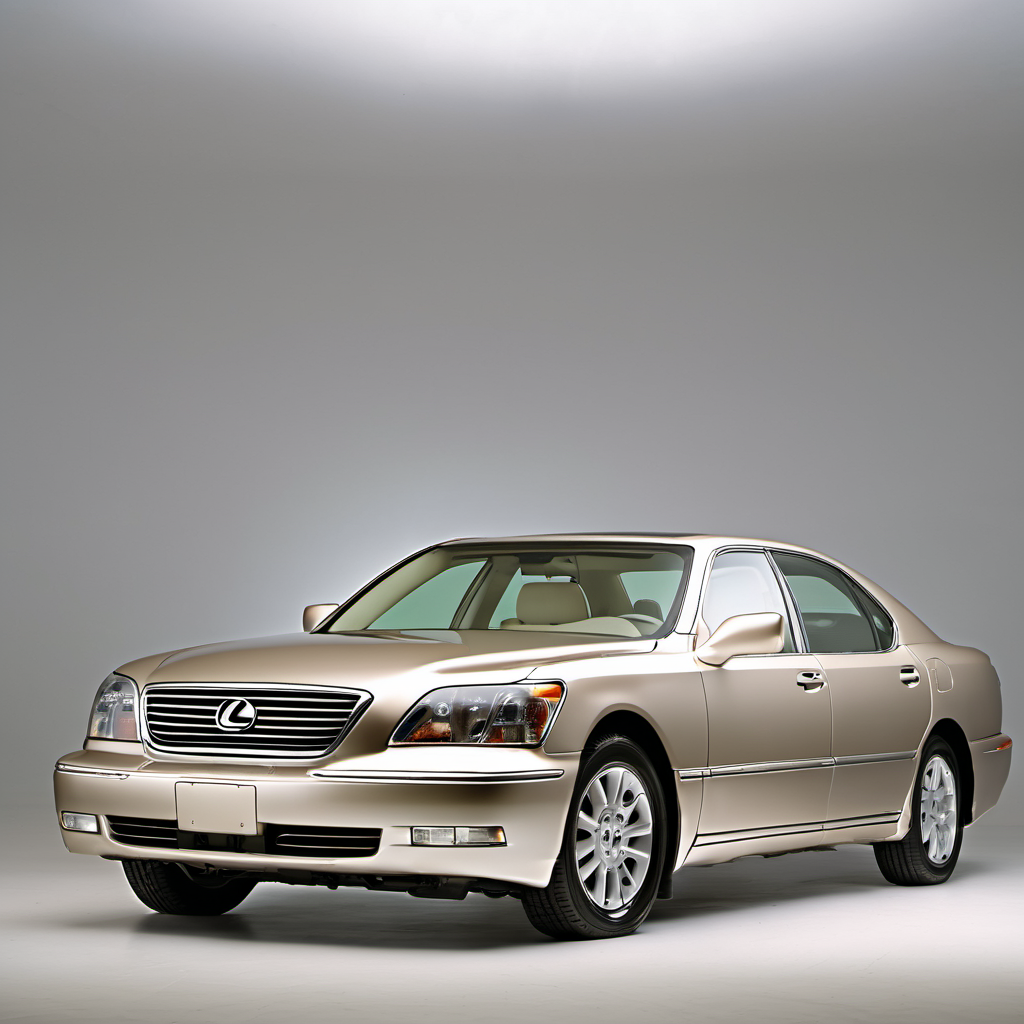
Direct Japanese luxury flagship competitor, similar V8 power and RWD character, typically better parts availability and arguably stronger reliability reputation at high mileage.
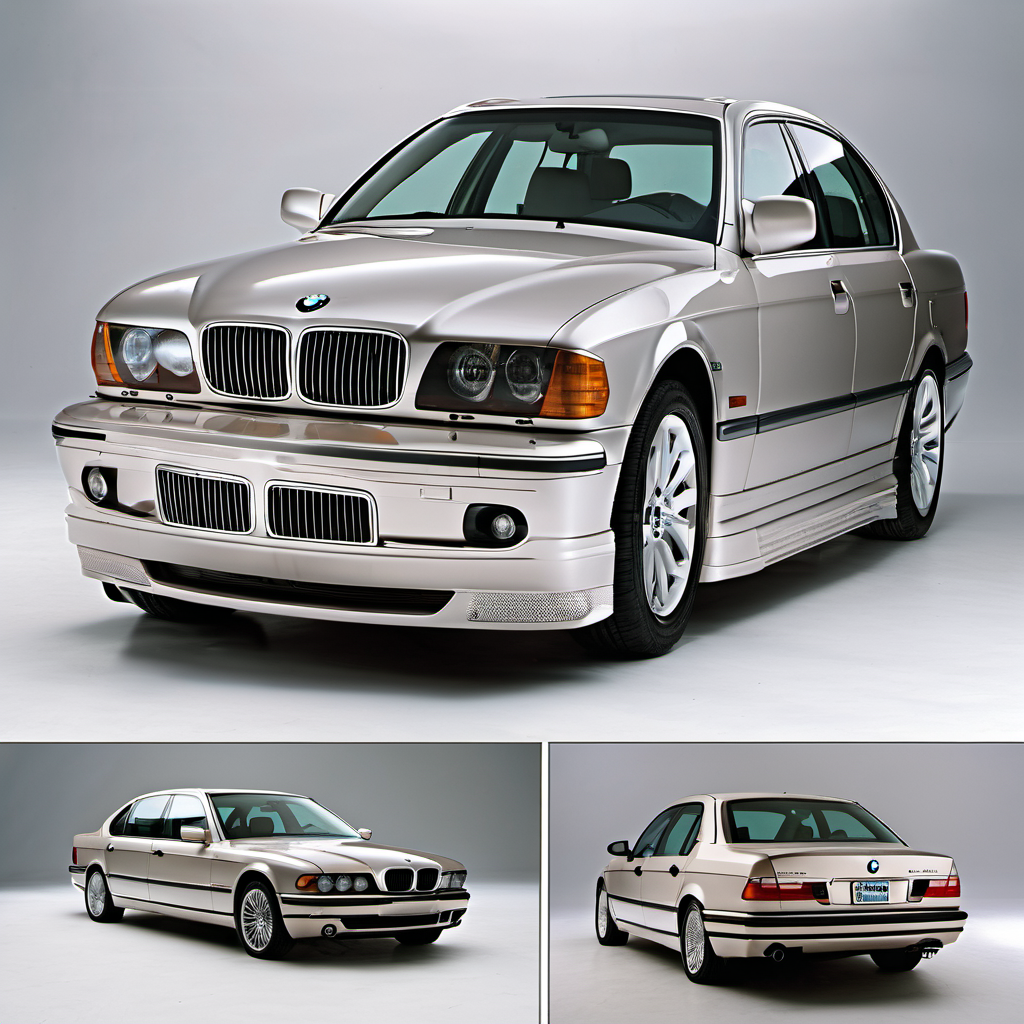
Same segment and mission, RWD V8 flagship. Driver-focused in a similar way, but significantly more expensive to repair and maintain at this age.
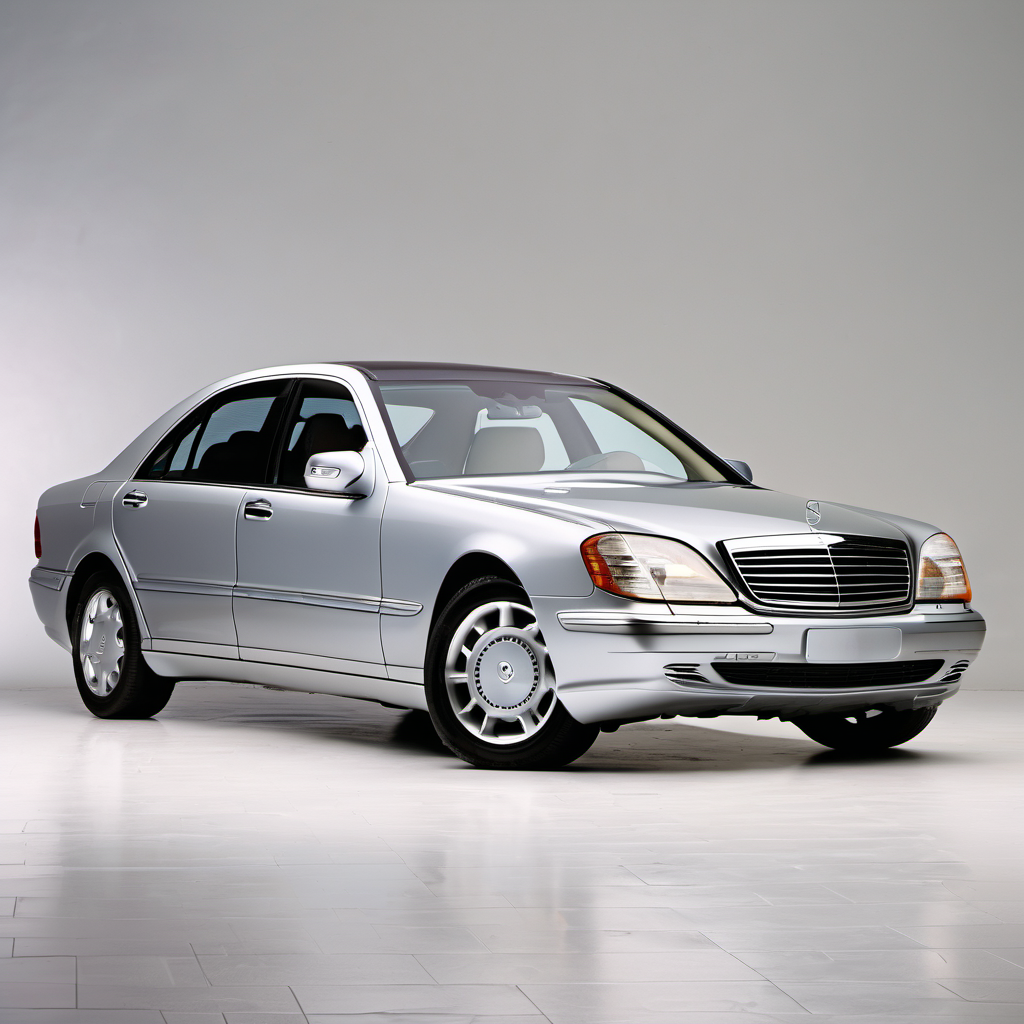
Directly competed with the Q45 when new. Comparable luxury and V8 power, but parts and repair costs are notably higher on aging W220-generation examples.
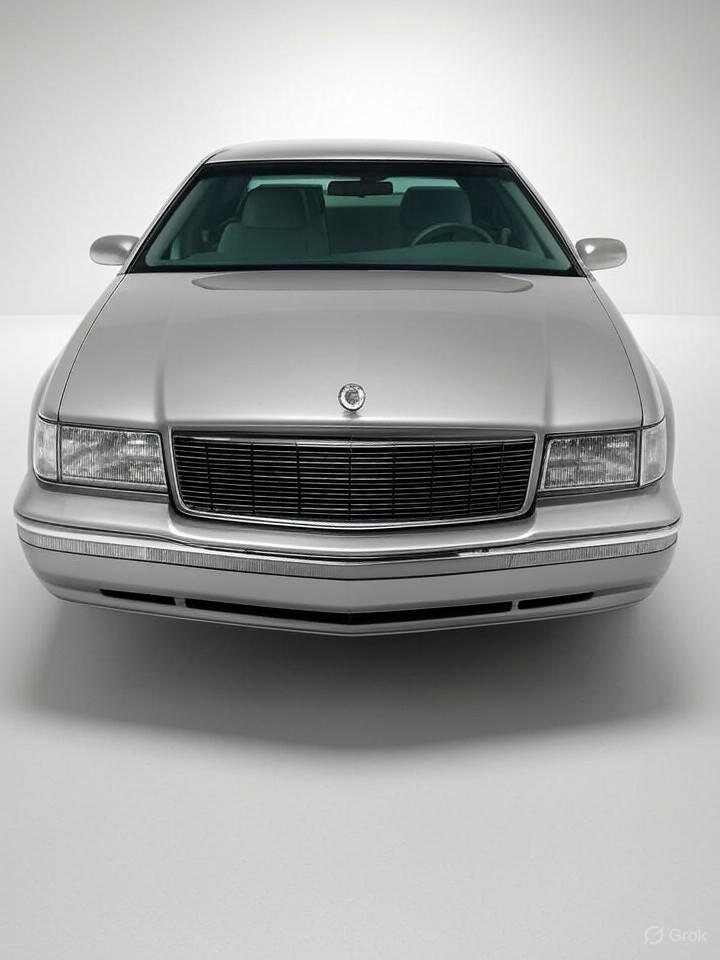
American flagship sedan of the same era, similar price point and comfort focus, easier parts sourcing domestically, though the Northstar V8 carries its own aging concerns.