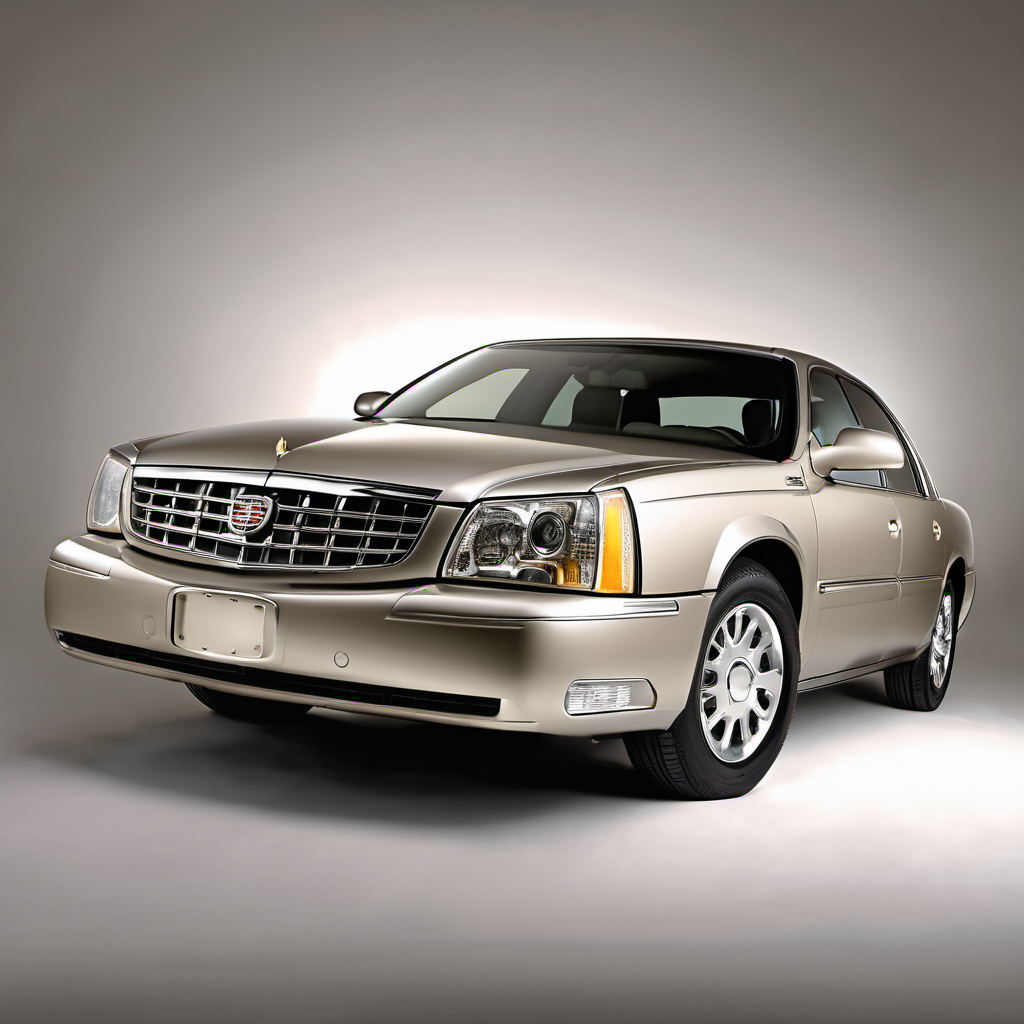
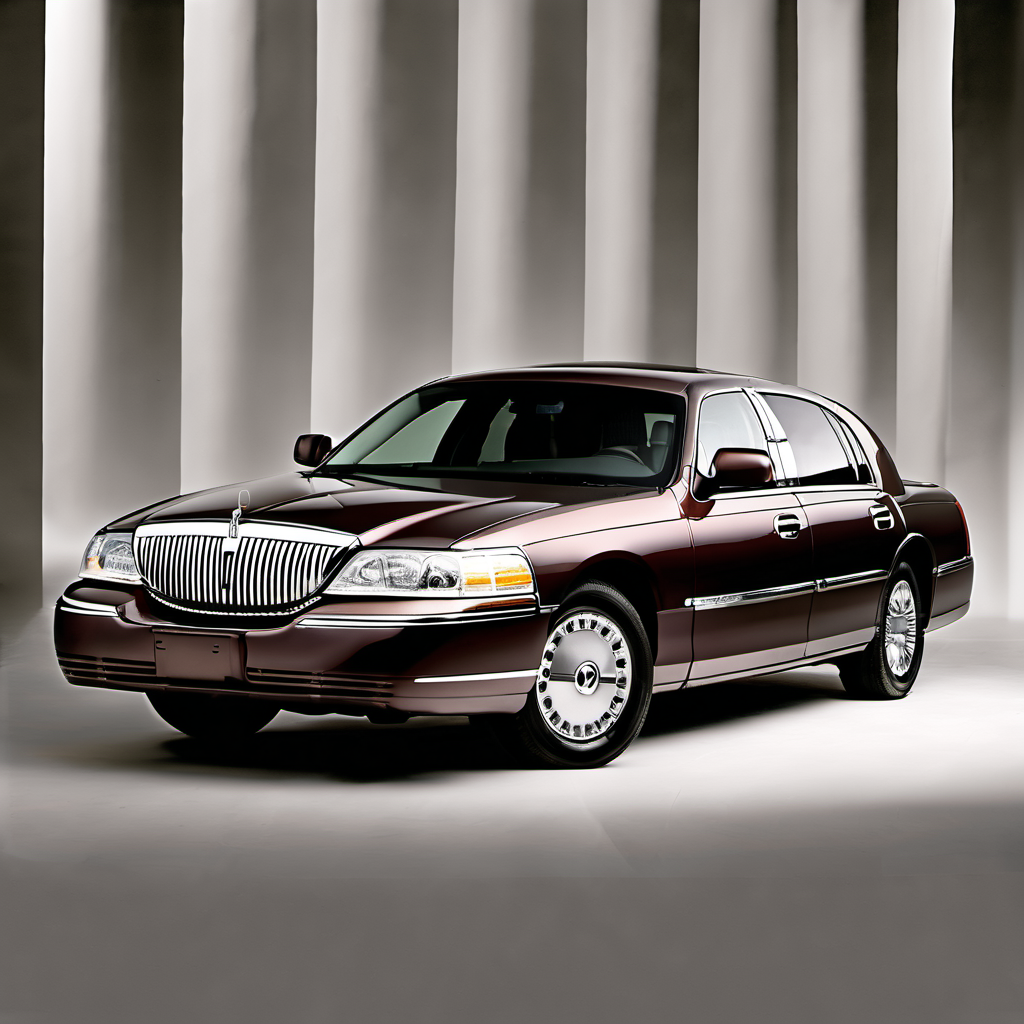
2003 Cadillac DeVille Sedan

2003 Cadillac

DeVilleSedan

Sedan

The 2003 Cadillac DeVille is the final evolution of a nameplate that ran for nearly five decades. By this generation (2000–2005), it had grown into a full-size, front-wheel-drive luxury sedan built around GM's Northstar 4.6L V8 — smooth, powerful, and loaded with comfort features for its era. It was one of the largest, quietest domestic sedans you could buy, and its target buyer valued boulevard cruising over canyon carving. The DeVille earned a loyal following among buyers who wanted a spacious, feature-rich American luxury car at a price well below European competitors. Heated and cooled seats, a Bose stereo, automatic climate control, and road-sensing suspension were standard or widely available. These cars feel genuinely plush even by today's standards. The catch is the Northstar engine. While impressive in power and refinement, it has a well-documented head bolt thread failure issue that can lead to expensive coolant leaks and overheating — the single biggest concern when buying or owning one of these. Buyers who stay on top of cooling system maintenance and catch problems early can keep these cars going, but budget accordingly.

Reliability
2/5
Verified data
Specs shown for DeVille — the most common configuration. Other trims may vary in engine, drivetrain, or fuel economy. Sign in to see your vehicle's exact specs.
Engine
[object Object]
Drivetrain
FWD
Fuel
Gasoline
MPG
16 city / 25 hwy / 19 combined
Seats
Doors
Body
Large Cars

Overview

AI-curated

The 2003 Cadillac DeVille is the final evolution of a nameplate that ran for nearly five decades. By this generation (2000–2005), it had grown into a full-size, front-wheel-drive luxury sedan built around GM's Northstar 4.6L V8 — smooth, powerful, and loaded with comfort features for its era. It was one of the largest, quietest domestic sedans you could buy, and its target buyer valued boulevard cruising over canyon carving. The DeVille earned a loyal following among buyers who wanted a spacious, feature-rich American luxury car at a price well below European competitors. Heated and cooled seats, a Bose stereo, automatic climate control, and road-sensing suspension were standard or widely available. These cars feel genuinely plush even by today's standards. The catch is the Northstar engine. While impressive in power and refinement, it has a well-documented head bolt thread failure issue that can lead to expensive coolant leaks and overheating — the single biggest concern when buying or owning one of these. Buyers who stay on top of cooling system maintenance and catch problems early can keep these cars going, but budget accordingly.

Known for
  • Northstar 4.6L V8 smoothness and power
  • Exceptionally quiet, comfortable ride
  • Generous standard luxury features for the era
  • Large, roomy cabin and trunk
  • Strong American road presence
Best for
  • Highway cruisers and long-distance drivers
  • Buyers wanting domestic luxury on a budget
  • Low-mileage, garage-kept second-car buyers
  • Owners comfortable with higher maintenance involvement
Watch for
  • Northstar head bolt failures causing coolant loss and overheating
  • Costly intake manifold and cooling system repairs
  • Oil consumption on higher-mileage engines
  • Aging plastic and electronic components across the car
  • High repair costs at dealers — independent Northstar experience is essential

Common issues by mileage

6 known

Northstar Head Bolt Thread Failure / Coolant Leak

high
Typically appears
80–150k mi
Estimated repair
$1,800 – $4,500

Intake Manifold Gasket / Coolant System Leaks

high
Typically appears
70–130k mi
Estimated repair
$400 – $900

Oil Consumption (Northstar engine)

medium
Typically appears
100k+ mi
Estimated repair
$50 – $300

Electronic Climate Control / HVAC Actuator Failures

medium
Typically appears
80–150k mi
Estimated repair
$200 – $700

Air Ride Suspension Compressor or Strut Failure

medium
Typically appears
90–150k mi
Estimated repair
$350 – $900

Water Pump Failure (Northstar — internally driven)

medium
Typically appears
60–100k mi
Estimated repair
$500 – $1,100

Maintenance schedule

  1. 1
    Every 2 years or 30k miles — whichever comes first Cooling system flush and pressure test

    The Northstar is extremely sensitive to coolant condition and system pressure. DEX-COOL degradation or low coolant is the leading trigger for overheating events that cause head bolt failure. Never skip this.

  2. 2
    Monthly — check the surge tank, not just the reservoir Check and top off coolant level

    Even a slow internal leak can drop levels between services. Catching it early is the difference between a hose replacement and a head job.

  3. 3
    Every 5,000 miles Oil and filter change

    Northstar engines can consume oil, especially past 100k miles. Staying on a shorter interval and checking the dipstick between changes prevents low-oil damage.

  4. 4
    Every 30k miles Transmission fluid change

    The 4T80-E automatic is durable but responds well to fresh fluid. Neglected fluid shortens life on an otherwise reliable unit.

  5. 5
    Every 60k miles Spark plugs (platinum/iridium)

    The Northstar V8 has plugs accessible from the top of the engine. Fresh plugs maintain smooth idle and fuel efficiency in an engine already pressed for economy.

  6. 6
    Every 2 years Air suspension compressor inspection

    The compressor runs more in cold Wisconsin winters and can burn out. Inspect rubber air lines for cracking due to freeze/thaw cycling.

  7. 7
    Every 2 years Brake fluid flush

    Wisconsin salt air and moisture absorption degrade brake fluid faster. Fresh fluid prevents internal caliper and ABS modulator corrosion.

  8. 8
    Every spring after road salt season Underbody and rocker panel inspection for rust

    The DeVille's rocker panels, subframe, and brake lines are vulnerable to Wisconsin road salt. Catching surface rust before it becomes structural saves serious money.

Always defer to the manufacturer's service manual for warranty-mandated intervals.

Cost of ownership

Annual maintenance
$800 – $2,200
Fuel
At 19 MPG combined, expect to spend roughly $2,000–$2,600/year at current Wisconsin gas prices with average driving. Premium fuel is not required but recommended by GM for full Northstar performance.
Insurance
Typically $900–$1,400/year for a driver with a clean record in the Lake Geneva area. Low market value keeps comprehensive premiums modest, but liability and uninsured motorist coverage still apply.

The DeVille can be cheap to own in a good year and very expensive in a bad one. Routine maintenance is affordable, but a single Northstar head bolt repair or water pump job can exceed $2,000 at an independent shop. Budget a reserve fund — $1,500–$2,000 set aside — for any used example over 80k miles. Cars with documented cooling system service history cost noticeably less to own.
Seasonal care

Lake Geneva, WI
Winter
  • Switch to a full-synthetic 5W-30 before temperatures drop below 0°F — the Northstar can be hard to turn over in extreme cold with conventional oil.
  • Test the battery every fall. This car's electronics draw significant standby current; a weak battery dies fast in sub-zero Lake Geneva temps.
  • Use DOT-approved winter washer fluid rated to at least -20°F — the long hood and highway speeds mean you'll burn through it fast.
  • Inspect air suspension lines for cracking before winter — cold rubber fails without warning and leaves you dragging the frame.
  • Check antifreeze freeze protection to at least -34°F with a tester before the first hard freeze. Don't assume it's fine.
  • After heavy salt exposure, rinse the undercarriage including around the brake lines, fuel lines, and subframe mounting points.
Summer
  • Watch the temperature gauge closely in stop-and-go traffic — the Northstar cooling system works hardest at low speeds in heat.
  • Check tire pressure monthly. Tires run 4–6 PSI higher in summer heat; overinflated tires reduce contact patch on hot pavement.
  • Run the A/C at least 10 minutes weekly if not in regular use — keeps the compressor seals lubricated and prevents refrigerant loss.
  • Inspect the surge tank and coolant hoses for swelling or soft spots — heat accelerates degradation on 20-year-old rubber.
  • Park in shade when possible — the large glass area and dark interior materials make the cabin extremely hot, stressing electronics and interior plastics.

Comparable vehicles

If you're shopping for one

Red flags
  • Any history of overheating — even once. Walk away unless the head bolt repair has been professionally documented.
  • Coolant that looks brown, oily, or has visible particles — coolant system contamination is expensive to reverse.
  • Car sitting low on one or more corners — air suspension repair is $350–$900 per corner.
  • Peeling headliner or moisture stains inside — signals water intrusion or a car that spent time outside in harsh conditions.
  • No service records — given the Northstar's maintenance sensitivity, an unknown history is a serious financial risk.
  • Check engine light on — scan for codes before purchase; Northstar-related powertrain codes can indicate very expensive underlying issues.
What to inspect
  • Pull the coolant surge tank cap cold — look for oily residue, brown sludge, or bubbling, all signs of head gasket or head bolt failure.
  • Check the temperature gauge during a full warm-up drive, including idle in a parking lot for 10+ minutes — overheating at idle is a red flag.
  • Request a coolant pressure test before purchase — this is the single best screening tool for Northstar head bolt issues.
  • Check for Northstar head bolt insert repair history in service records — cars that have had this done properly are actually preferable.
  • Inspect air suspension: let the car sit overnight, then check ride height in the morning. A car that sags overnight has a failing compressor or leaking air struts.
  • Look for rust on the rocker panels, rear wheel arches, and subframe — Wisconsin-area cars are salt-exposed for 5+ months a year.
  • Test every electronic feature: memory seats, climate zones, power trunk, OnStar, heated seats — replacing failed modules is expensive.
AI profile generated 5 days ago · claude-sonnet-4-6 · v2.