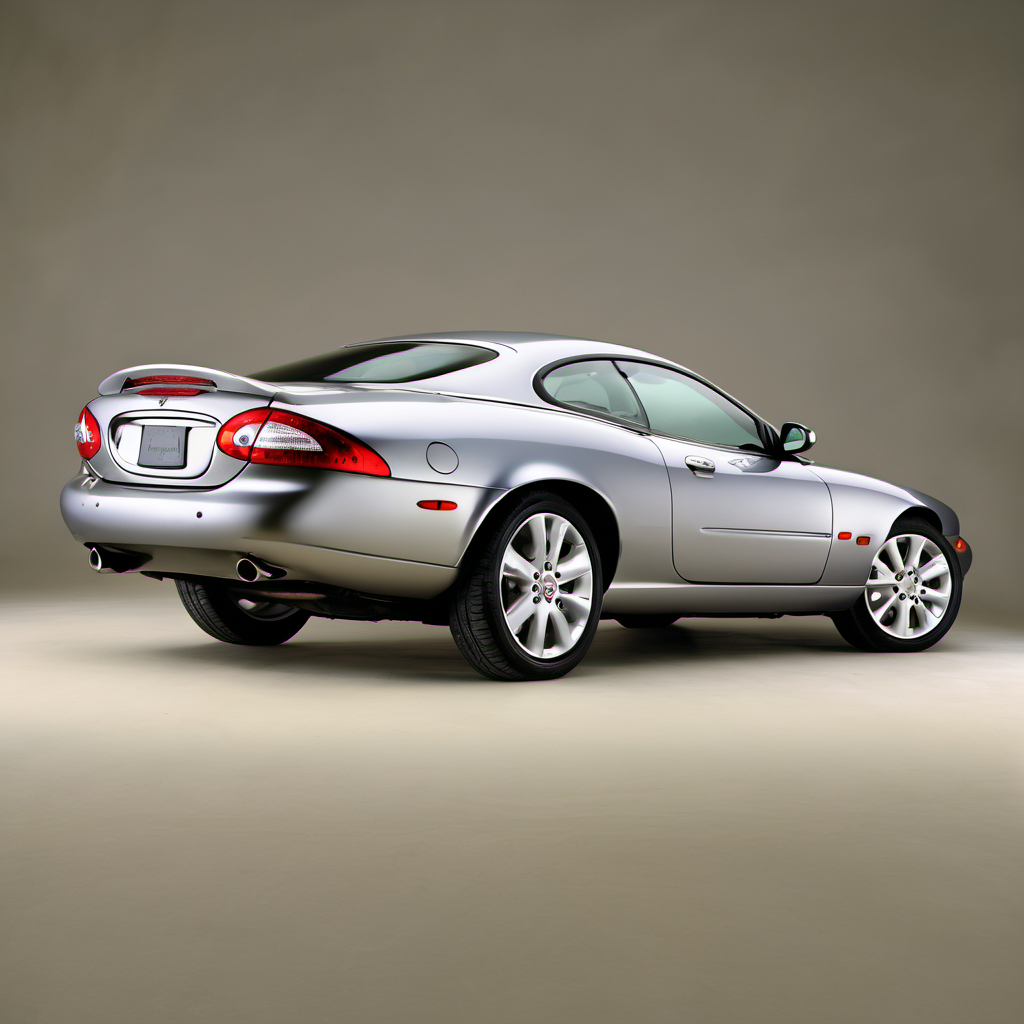
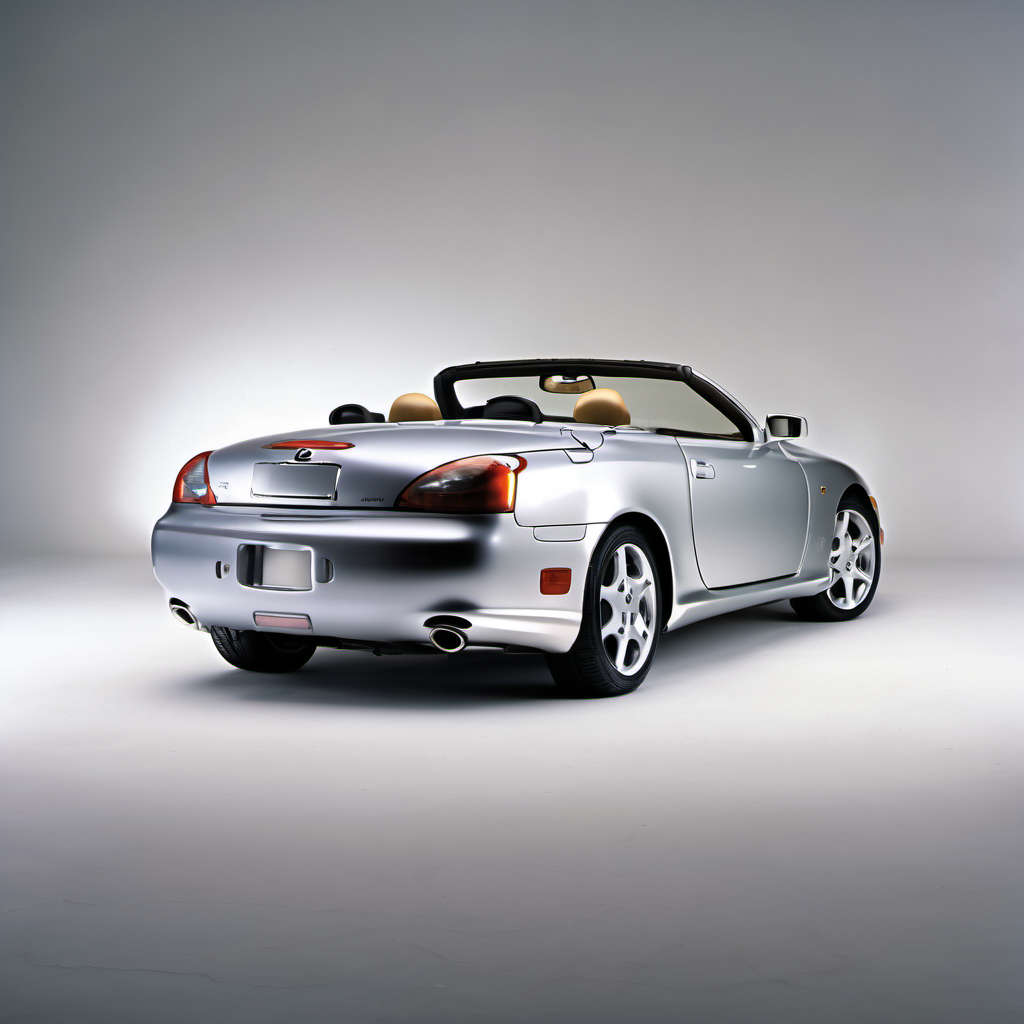
2003 Ford Thunderbird Convertible

2003 Ford

ThunderbirdConvertible

Convertible

The 2003 Ford Thunderbird is the final model year of the short-lived 11th-generation revival (2002–2005), built on a retro-styled two-seat convertible platform that paid homage to the original 1955 T-Bird. Ford designed it as a personal luxury roadster rather than a performance car — smooth cruising and head-turning style were the priorities, not quarter-mile times. It was produced in limited numbers at Ford's Wixom, Michigan assembly plant, giving it a degree of collector appeal that its contemporary rivals couldn't match. Under the hood sits Ford's 3.9L Jaguar-derived AJ-V8 — the same engine family used in the Jaguar S-Type — paired with a 5-speed automatic. This gave the T-Bird a cultured, refined feel but also tied its long-term ownership cost to Jaguar-adjacent parts availability and pricing. Power delivery is relaxed rather than thrilling, which suits the grand-touring mission well. Because production ran only four model years (and 2003 sold in relatively low numbers), finding a clean example is harder than it used to be, but values have held better than expected — especially for unmodified cars with the removable hardtop. This is a weekend driver and show-car, not a daily workhorse, and it should be maintained and stored accordingly.

Reliability
2/5
Verified data
Specs shown for Thunderbird — the most common configuration. Other trims may vary in engine, drivetrain, or fuel economy. Sign in to see your vehicle's exact specs.
Engine
[object Object]
Drivetrain
RWD
Fuel
Premium gasoline
MPG
16 city / 22 hwy / 18 combined
Seats
Doors
Body
Two Seaters

Overview

AI-curated

The 2003 Ford Thunderbird is the final model year of the short-lived 11th-generation revival (2002–2005), built on a retro-styled two-seat convertible platform that paid homage to the original 1955 T-Bird. Ford designed it as a personal luxury roadster rather than a performance car — smooth cruising and head-turning style were the priorities, not quarter-mile times. It was produced in limited numbers at Ford's Wixom, Michigan assembly plant, giving it a degree of collector appeal that its contemporary rivals couldn't match. Under the hood sits Ford's 3.9L Jaguar-derived AJ-V8 — the same engine family used in the Jaguar S-Type — paired with a 5-speed automatic. This gave the T-Bird a cultured, refined feel but also tied its long-term ownership cost to Jaguar-adjacent parts availability and pricing. Power delivery is relaxed rather than thrilling, which suits the grand-touring mission well. Because production ran only four model years (and 2003 sold in relatively low numbers), finding a clean example is harder than it used to be, but values have held better than expected — especially for unmodified cars with the removable hardtop. This is a weekend driver and show-car, not a daily workhorse, and it should be maintained and stored accordingly.

Known for
  • Retro 1950s-inspired styling with modern underpinnings
  • Jaguar-derived AJ-V8 3.9L engine
  • Two-seat convertible with optional removable hardtop
  • Limited production numbers supporting collector value
  • Smooth, relaxed grand-touring character
Best for
  • Weekend cruising and car shows
  • Collectors looking for a modern-classic American convertible
  • Drivers who want V8 refinement over raw performance
  • Low-mileage second or third vehicle
Watch for
  • Jaguar-sourced parts can be expensive and harder to source
  • Convertible top and hardtop latch mechanisms age and wear
  • Not a high-mileage workhorse — ownership costs rise fast if driven hard
  • Limited dealer and independent-shop familiarity due to low production
  • Cooling system issues common to the AJ-V8 engine family

Common issues by mileage

6 known

Cooling System Failures (Thermostat, Water Pump, Hoses)

high
Typically appears
50–100k mi
Estimated repair
$400 – $1,200

Convertible Top Hydraulic Leaks / Motor Failure

high
Typically appears
40–90k mi
Estimated repair
$500 – $2,000

Hardtop Latching Mechanism Wear

medium
Typically appears
Any mileage
Estimated repair
$150 – $600

Oxygen Sensor / Heater Circuit Faults

medium
Typically appears
60–100k mi
Estimated repair
$150 – $450

Electrical / Network Communication Faults (CAN Bus Modules)

medium
Typically appears
Any mileage — worsens with age
Estimated repair
$200 – $1,500

Maintenance schedule

  1. 1
    Every 5,000 miles or 6 months Engine oil change — use correct viscosity for AJ-V8 (5W-30 full synthetic)

    The Jaguar-derived V8 is sensitive to oil quality and change intervals. Sludge buildup accelerates VCT solenoid and camshaft wear.

  2. 2
    Every 30,000 miles or 2 years Coolant flush and inspection of hoses, thermostat, and water pump

    Cooling system failure is the #1 mechanical issue on the AJ-V8. Fresh coolant and proactive hose inspection prevents expensive overheating damage.

  3. 3
    Every spring and fall Convertible top inspection — check hydraulic fluid level, seals, and weatherstripping

    Hydraulic leaks and dry weatherstripping are common. Catching small leaks early prevents motor failure and interior water damage.

  4. 4
    Every 60,000 miles Spark plug replacement — use OEM-spec iridium plugs

    The V8 has tight packaging; plug access is labor-intensive. Don't extend intervals — misfires stress the coil-on-plug ignition system.

  5. 5
    Every fall before Wisconsin winter Battery test and terminal cleaning

    A 12V battery in a low-use weekend vehicle self-discharges quickly. Wisconsin sub-zero temps will kill a marginal battery overnight. Use a trickle charger during storage.

  6. 6
    Every 2 years Brake fluid flush

    Brake fluid absorbs moisture over time. On an infrequently driven car this is especially important — moisture-laden fluid lowers boiling point and accelerates caliper corrosion.

  7. 7
    Every year Inspect and lubricate hardtop latch mechanisms

    Dry latches wear and eventually crack. A small amount of appropriate lubricant keeps them operating smoothly and prevents costly replacements.

  8. 8
    Before any storage period over 30 days Fuel system — use fresh premium fuel; add fuel stabilizer during storage

    The T-Bird is commonly stored 6+ months in Wisconsin winters. Stale ethanol-blend fuel damages injectors and gums the fuel system. Stabilizer is cheap insurance.

Always defer to the manufacturer's service manual for warranty-mandated intervals.

Cost of ownership

Annual maintenance
$800 – $2,500
Fuel
Premium gasoline required. At 18 combined MPG and ~5,000 miles/year typical for a weekend driver, expect roughly $500–$700/year in fuel at current Midwest prices.
Insurance
Collector or agreed-value insurance is strongly recommended and often cheaper than standard comprehensive. Expect $400–$900/year depending on storage location, driver history, and declared value.

Annual costs are moderate when the car is used as intended — a light-duty weekend cruiser stored in winter. Budget on the higher end in years when convertible top hydraulics, cooling system components, or ignition parts need attention. Costs jump sharply if the car has been neglected; a full deferred-maintenance catch-up can run $3,000–$6,000 at an independent shop.
Seasonal care

Lake Geneva, WI
Winter
  • Store the vehicle for winter — this car is not suited for Wisconsin salt and sub-zero daily use. Road salt will attack the undercarriage and convertible top frame aggressively.
  • Before storage, add fuel stabilizer and run the engine briefly to circulate it through the fuel system.
  • Connect a quality trickle/float charger to maintain the 12V battery throughout storage. A dead battery left all winter shortens battery life significantly.
  • Store with a breathable indoor cover — never a plastic tarp — to prevent moisture and mold buildup under the top.
  • Apply a protectant to the convertible top weatherstripping before storage to prevent cracking in the cold.
  • If the hardtop is available, install it for winter storage to relieve stress on the soft-top hydraulic system and protect the interior.
Summer
  • Check tire pressure every few weeks — summer heat increases pressure; the T-Bird's low-profile tires are sensitive to under- and over-inflation.
  • Inspect the A/C system at the start of the season; refrigerant can slowly leak over a storage winter and the cabin heats up fast in a dark convertible.
  • Check coolant level and condition before summer driving — the AJ-V8 cooling system does not tolerate neglect in warm weather.
  • UV rays and summer heat degrade the convertible top fabric and interior plastics; use a UV-protectant on the top and dashboard.
  • After winter storage, inspect the undercarriage for any corrosion or rodent damage before first drive.

Comparable vehicles

If you're shopping for one

Red flags
  • Missing hardtop with no explanation — these are difficult and expensive to find separately.
  • Convertible top that operates slowly, makes grinding noises, or stops mid-travel — hydraulic system repair or replacement is a major expense.
  • Any evidence of overheating (milky oil, crusty coolant reservoir, warped plastic around the radiator area).
  • Brown or sludgy oil — signals the engine was not maintained on schedule, which accelerates VCT and camshaft wear.
  • Multiple warning lights or network/communication fault codes — can indicate aging module wiring or prior electrical damage.
  • Rust on the convertible top frame or floor pans — cosmetically fine cars can hide serious structural corrosion underneath.
  • Seller cannot produce at least a partial service history — walk away or price in a full mechanical inspection and catch-up service.
What to inspect
  • Hardtop: confirm it's present and both latches operate smoothly without force — missing or damaged hardtops are expensive to replace and hurt value significantly.
  • Convertible top: operate it fully; listen for hydraulic pump strain, watch for hesitation or incomplete travel, and inspect the fabric for cracks or delamination at the seams.
  • Cooling system: check coolant color (should be clean, not brown/rusty), look for residue around hose clamps and the reservoir cap, and ask for service records showing flush history.
  • Oil: pull the dipstick and check the cap underside for sludge — a common sign of extended oil change intervals on the AJ-V8.
  • Undercarriage: inspect for rust at the frame rails, convertible top hinges, and exhaust — especially important on any Wisconsin or northern-state car.
  • Electrical: test all power accessories (windows, mirrors, locks, top) and look for any warning lights on startup.
  • Service records: given the Jaguar-derived drivetrain, a documented history of oil changes, coolant flushes, and spark plug service is essential. No records = budget for a full inspection and deferred maintenance catch-up.
AI profile generated 5 days ago · claude-sonnet-4-6 · v2.