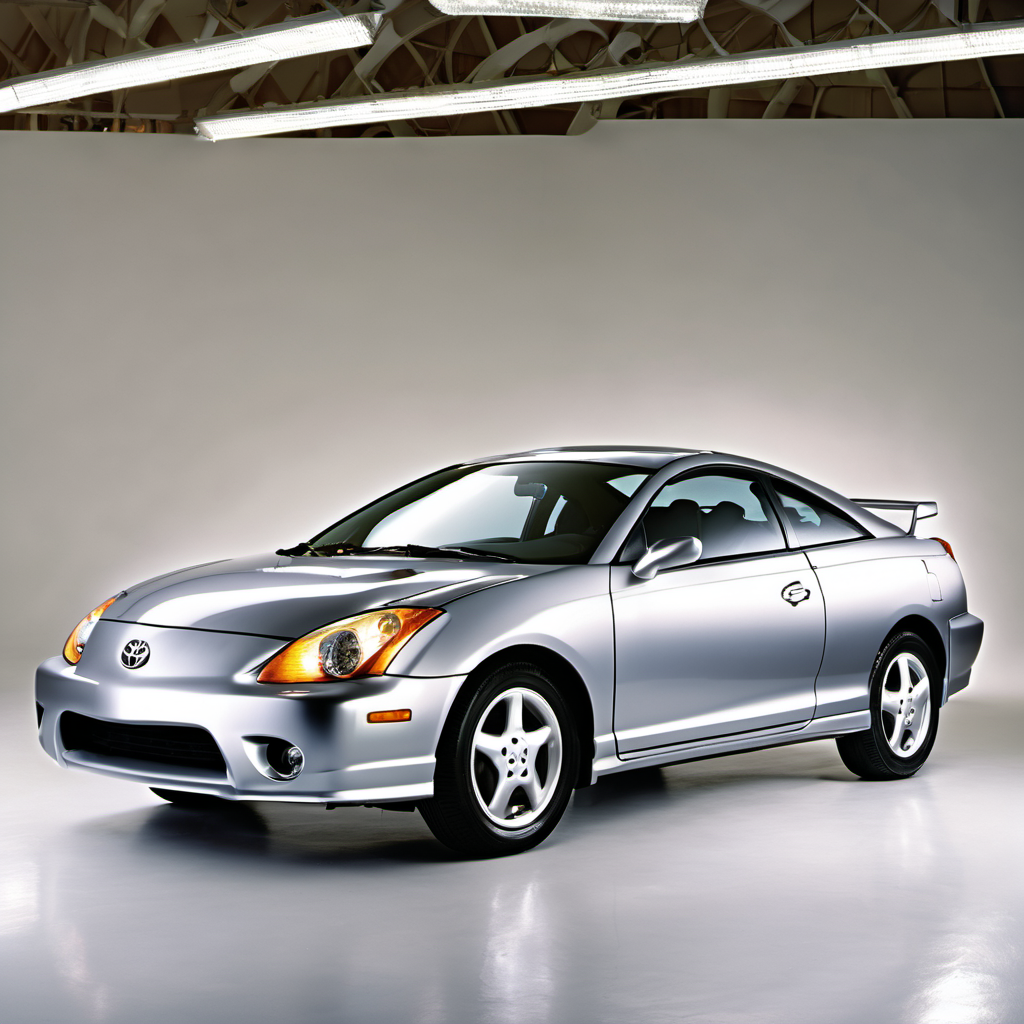
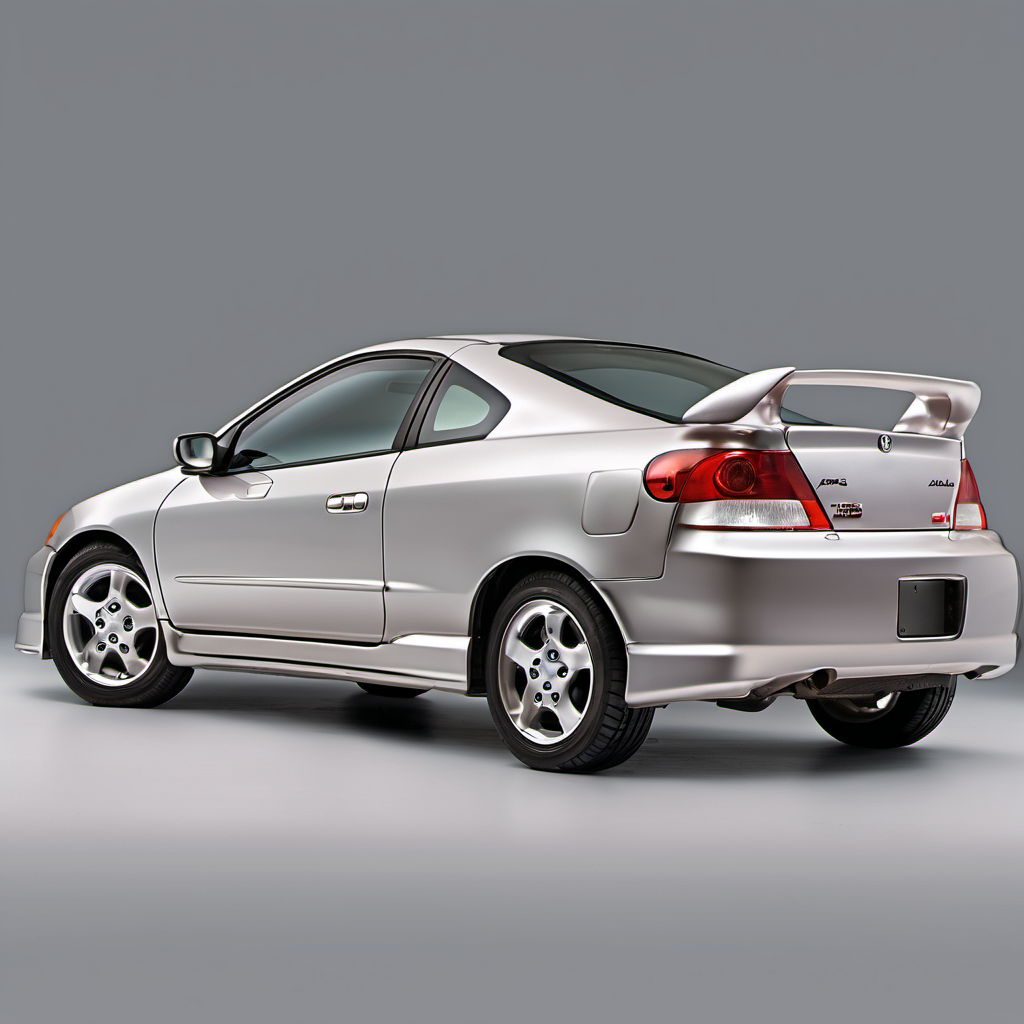
2003 Toyota Celica Hatchback

2003 Toyota

CelicaHatchback

Hatchback

The 2003 Toyota Celica is the final model year of the seventh-generation (T230) platform, a front-wheel-drive sport compact that Toyota produced from 2000 through 2005. It came in two flavors: the GT with a 1.8L 1ZZ-FE producing 140 hp, and the GT-S with the high-revving 1.8L 2ZZ-GE making 180 hp. Both shared a sleek, low-slung liftback body. The Celica earned a loyal following for its reliability, sharp handling, and fuel efficiency — attributes the platform delivered consistently through its run. By 2003, Toyota had refined the Celica into a polished package. Parts and independent-shop support are very accessible in the upper Midwest, and a well-kept example can still turn heads and cover miles without drama. The GT-S variant in particular developed a devoted enthusiast community around its VVTL-i engine, which rewards high-rev driving but demands careful oil maintenance. This is a sports coupe that aged gracefully — not a performance monster by modern standards, but an honest, fun, and durable car for someone who appreciates a lightweight, driver-focused experience. With the right maintenance history, a 2003 Celica at high mileage is still a reasonable buy.

Reliability
4/5
Verified data
Specs shown for Celica — the most common configuration. Other trims may vary in engine, drivetrain, or fuel economy. Sign in to see your vehicle's exact specs.
Engine
[object Object]
Drivetrain
FWD
Fuel
Gasoline
MPG
25 city / 33 hwy / 28 combined
Seats
Doors
Body
Subcompact Cars

Overview

AI-curated

The 2003 Toyota Celica is the final model year of the seventh-generation (T230) platform, a front-wheel-drive sport compact that Toyota produced from 2000 through 2005. It came in two flavors: the GT with a 1.8L 1ZZ-FE producing 140 hp, and the GT-S with the high-revving 1.8L 2ZZ-GE making 180 hp. Both shared a sleek, low-slung liftback body. The Celica earned a loyal following for its reliability, sharp handling, and fuel efficiency — attributes the platform delivered consistently through its run. By 2003, Toyota had refined the Celica into a polished package. Parts and independent-shop support are very accessible in the upper Midwest, and a well-kept example can still turn heads and cover miles without drama. The GT-S variant in particular developed a devoted enthusiast community around its VVTL-i engine, which rewards high-rev driving but demands careful oil maintenance. This is a sports coupe that aged gracefully — not a performance monster by modern standards, but an honest, fun, and durable car for someone who appreciates a lightweight, driver-focused experience. With the right maintenance history, a 2003 Celica at high mileage is still a reasonable buy.

Known for
  • Strong long-term reliability when properly maintained
  • High-revving 2ZZ-GE engine in GT-S trim (lifts to VVTL-i cam at ~6200 RPM)
  • Excellent fuel economy for a sport coupe
  • Lightweight, responsive handling
  • Distinctive wedge-shaped liftback styling
Best for
  • Commuters who want a fun, efficient daily driver
  • Enthusiasts seeking an affordable, reliable sport compact
  • Drivers comfortable with a small, low-slung cabin
  • Budget-minded buyers who want Toyota longevity
Watch for
  • GT-S 2ZZ-GE engine oil consumption — must check regularly
  • VVT-Li actuator and lift mechanism issues on GT-S at higher mileage
  • Rust on underbody, wheel wells, and exhaust components on salt-road cars
  • Clutch and transmission wear on high-mileage manual cars
  • Finding examples with unknown or neglected service history

Common issues by mileage

6 known

Oil consumption — GT-S 2ZZ-GE engine

high
Typically appears
80–150k mi
Estimated repair
$50 – $300

VVTL-i lift mechanism failure / oil control valve (GT-S)

medium
Typically appears
100–180k mi
Estimated repair
$300 – $900

Wheel bearing wear

medium
Typically appears
90–150k mi
Estimated repair
$200 – $450

CV axle/boot failure

medium
Typically appears
100–160k mi
Estimated repair
$150 – $400

Underbody and exhaust rust (salt-road cars)

high
Typically appears
Any mileage on Wisconsin/upper Midwest vehicles
Estimated repair
$200 – $1,500

Oxygen sensor / heater circuit faults

medium
Typically appears
80–130k mi
Estimated repair
$100 – $350

Maintenance schedule

  1. 1
    Every 5,000 miles or 6 months Engine oil change — full synthetic

    Critical on both engines, but especially the GT-S 2ZZ-GE. This engine is sensitive to oil quality and level. Low or dirty oil degrades the VVTL-i lift mechanism and accelerates cam wear. Check the level at every fuel stop on high-mileage GT-S cars.

  2. 2
    Every 30,000 miles (iridium OEM spec) Spark plug replacement

    The 2ZZ-GE runs a high compression ratio and benefits from quality iridium plugs. Worn plugs can cause misfires at the high-RPM VVTL-i cam lift engagement point.

  3. 3
    Inspect at 100k mi; no replacement interval unless worn Timing chain inspection (GT) / belt not applicable — chain-driven

    The 1ZZ-FE uses a timing chain. No scheduled replacement, but oil sludge from neglect can stretch it prematurely. Clean oil history is the prevention.

  4. 4
    Every 50,000 miles or 5 years Coolant flush

    Toyota long-life coolant degrades over time. Old coolant accelerates water pump seal wear and can contribute to minor head gasket seepage at high mileage.

  5. 5
    Every 2 years Brake fluid flush

    Brake fluid is hygroscopic. In Wisconsin's humidity extremes, moisture contamination lowers the boiling point and contributes to caliper corrosion.

  6. 6
    Every fall before winter / every spring Underbody inspection and touch-up

    Road salt is the Celica's biggest long-term threat in Lake Geneva. Inspect wheel wells, subframe, exhaust hangers, and brake lines each season. Address surface rust before it becomes structural.

  7. 7
    Every fall Battery load test

    A small-displacement engine in sub-zero temperatures needs a fully healthy battery. Cold cranking amps drop sharply below 0°F. Replace any battery older than 4 years proactively before Wisconsin winter.

  8. 8
    Every 6,000–7,500 miles Tire rotation and alignment check

    FWD sport coupes wear front tires faster. Proper rotation and keeping alignment in spec protects tires and maintains the Celica's precise steering feel.

Always defer to the manufacturer's service manual for warranty-mandated intervals.

Cost of ownership

Annual maintenance
$400 – $900
Fuel
Excellent for a sport coupe. At 28 MPG combined and typical Lake Geneva driving, expect roughly $1,400–$1,700/year at current Wisconsin gas prices. Premium fuel is not required (regular 87 octane on the GT; GT-S owners often use 91 for optimal performance).
Insurance
Generally inexpensive — a 2003 Celica is in a low insurance-cost bracket due to its age, modest power output, and low theft profile. Expect $600–$1,100/year for full coverage depending on driver profile.

The Celica is one of the cheaper sport coupes to own long-term. Parts are affordable, labor is straightforward at an independent shop, and fuel costs are low. The main cost wildcard is rust repair on cars with Wisconsin road-salt history — budget for that if underbody inspection reveals early issues. A GT-S with documented oil change history is worth paying a modest premium to avoid the cost of a worn lift mechanism.
Seasonal care

Lake Geneva, WI
Winter
  • Load-test the battery every October — cold starts on a weak battery stress the starter and charging system; replace if below spec before temperatures drop below 10°F.
  • Switch to a full synthetic oil rated for cold temps (e.g., 5W-30 or 5W-20 per Toyota spec) if not already using it — conventional oil thickens in sub-zero starts and starves the VVTL-i system.
  • Flush to fresh winter-grade washer fluid rated to at least -20°F; the Celica's low hood line puts the windshield in direct road spray.
  • Inspect brake lines and rubber brake hoses for corrosion and cracking — salt accelerates deterioration on these older cars.
  • Check tire pressure weekly — every 10°F drop costs roughly 1 PSI; under-inflated tires on a lightweight FWD coupe significantly hurt winter traction.
  • Rinse the underbody thoroughly after every significant salt event, especially in wheel wells and behind the rear bumper where slush collects.
Summer
  • Check coolant level and condition — the 1.8L runs warm in stop-and-go traffic; a failing water pump or low coolant can push temps quickly on a hot day.
  • Inspect the A/C system for refrigerant charge and condenser debris; the low front fascia picks up road debris that can restrict airflow to the condenser.
  • Inflate tires to spec — summer heat causes pressure to rise, so check cold pressure in the morning rather than after driving.
  • Check the cabin air filter — pollen season in Wisconsin loads it quickly, and a clogged filter reduces A/C efficiency noticeably in a small cabin.

Comparable vehicles

If you're shopping for one

Red flags
  • Oil change stickers or receipts showing intervals longer than 6,000 miles — especially disqualifying on a GT-S.
  • GT-S that shows no VVTL-i engagement at high RPM, or a check engine light related to cam timing (P0012, P0015).
  • Any visible rust bubbling on the rocker panels, rear wheel arches, or visible subframe — these are expensive to fix properly.
  • Coolant with rust color or oily sheen — sign of head gasket seepage or cooling system neglect.
  • Accident disclosure on Carfax or visible mismatched paint — front and rear structures are important on a small, light car.
What to inspect
  • Pull the oil cap and check for milky sludge (head gasket or PCV issues); check the dipstick for correct level and color.
  • On GT-S: warm the engine fully, then rev to redline in a safe area — the VVTL-i cam lift should engage noticeably around 6,200 RPM. A flat power curve or stumble at high RPM indicates lift mechanism problems.
  • Inspect all four wheel wells and the underbody with a flashlight for rust — pay special attention to the subframe mounting points, rear trailing arm mounts, and brake lines.
  • Check the exhaust system from manifold to tip for rust-through, especially the mid-pipe and muffler connections.
  • Test the clutch engagement point and check for slipping under hard acceleration (manual cars); check for smooth, no-delay shifts on automatics.
  • Look for accident history — the low nose and rear hatch are common collision points. Check panel gaps and paint texture carefully.
AI profile generated 6 days ago · claude-sonnet-4-6 · v2.