VVT-i Oil Control Valve Sludge / Camshaft Timing Faults
medium- Typically appears
- 80–150k mi
- Estimated repair
- $300 – $900
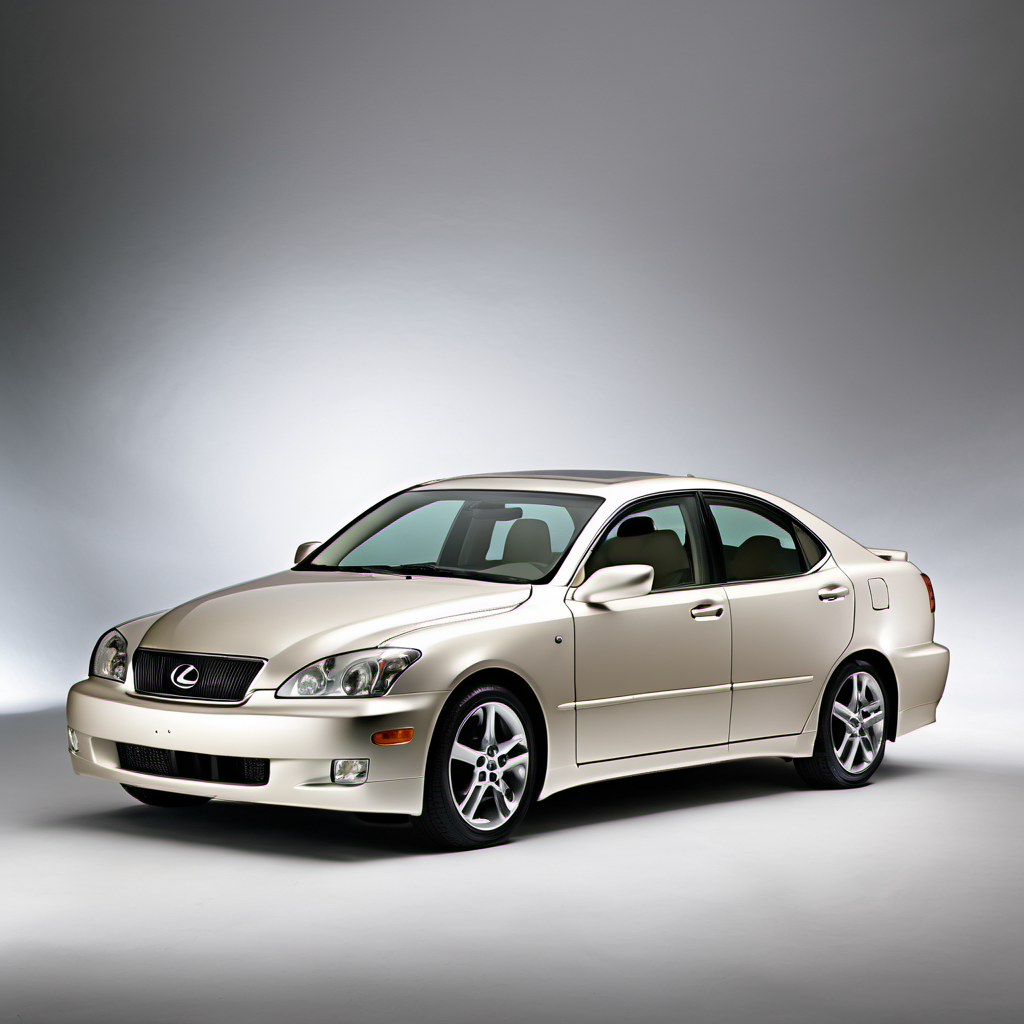
2004 Lexus
Sedan
The 2004 Lexus IS 300 is the first-generation IS (XE10 platform) in its final model year, powered by a 3.0L inline-six borrowed from the Supra and mated to either a 5-speed automatic or a rare 5-speed manual. It was Lexus's answer to the BMW 3 Series — rear-wheel drive, driver-focused, and built with Toyota's legendary fit and finish. At this age, most examples have crossed the 150k-mile mark, so condition varies widely. The 2JZ-GE engine in this car is one of the most bulletproof inline-sixes ever put in a production car. When maintained properly — particularly with regular oil changes — it will run well past 200k miles. The weak links tend to be age-related: suspension bushings, differential seals, and the occasional VVT-i system fault from neglected oil changes. Buying a 20-year-old sport sedan means you're inheriting two decades of whoever owned it before. These cars attract enthusiasts who maintain them obsessively and also people who thrash them and defer everything. A thorough pre-purchase inspection is non-negotiable.
The 2004 Lexus IS 300 is the first-generation IS (XE10 platform) in its final model year, powered by a 3.0L inline-six borrowed from the Supra and mated to either a 5-speed automatic or a rare 5-speed manual. It was Lexus's answer to the BMW 3 Series — rear-wheel drive, driver-focused, and built with Toyota's legendary fit and finish. At this age, most examples have crossed the 150k-mile mark, so condition varies widely. The 2JZ-GE engine in this car is one of the most bulletproof inline-sixes ever put in a production car. When maintained properly — particularly with regular oil changes — it will run well past 200k miles. The weak links tend to be age-related: suspension bushings, differential seals, and the occasional VVT-i system fault from neglected oil changes. Buying a 20-year-old sport sedan means you're inheriting two decades of whoever owned it before. These cars attract enthusiasts who maintain them obsessively and also people who thrash them and defer everything. A thorough pre-purchase inspection is non-negotiable.
The 2JZ-GE's VVT-i system is highly sensitive to oil cleanliness and viscosity. Extended intervals cause sludge that clogs oil control valves and kills the variable timing hardware. This is the single most important maintenance item on this car.
Any 20-year-old car with original cooling components is living on borrowed time. Fresh Toyota red coolant (SLLC) at the right concentration protects the aluminum head and keeps the thermostat accurate.
RWD cars need healthy diff fluid. Wisconsin salt accelerates seal wear — check the pinion and axle seals at every oil change and address any seeping immediately.
Toyota/Lexus recommends Type IV ATF. Many used examples have no record of this service. Fresh fluid dramatically extends transmission life and improves shift feel.
The 2JZ fires on six cylinders; worn plugs stress the ignition coils and reduce fuel efficiency. Use Lexus/Denso iridium plugs to spec — cheaper plugs cause misfires in this engine.
Wisconsin roads and road salt destroy rubber and seals faster than anywhere in the country. Budget for at least one round of bushing replacement on any high-mileage example.
Brake fluid is hygroscopic and absorbs moisture over time, lowering boiling point. On a sport sedan with aggressive braking potential, fresh fluid is a safety item.
Sub-zero Wisconsin winters kill weakened batteries without warning. The IS 300's electrical system is sensitive to low voltage — a failing battery can trigger spurious network and sensor fault codes.
Always defer to the manufacturer's service manual for warranty-mandated intervals.
A well-maintained IS 300 is a relatively affordable sport sedan to keep on the road — parts availability is good, independent shop labor is reasonable, and the engine doesn't nickel-and-dime you the way some European competitors do. The big cost risks are deferred maintenance catching up (VVT-i repairs, cooling system, rear suspension) and premium fuel every fill-up. Budget a one-time deferred maintenance catch-up of $1,000–$2,500 when buying a high-mileage example.
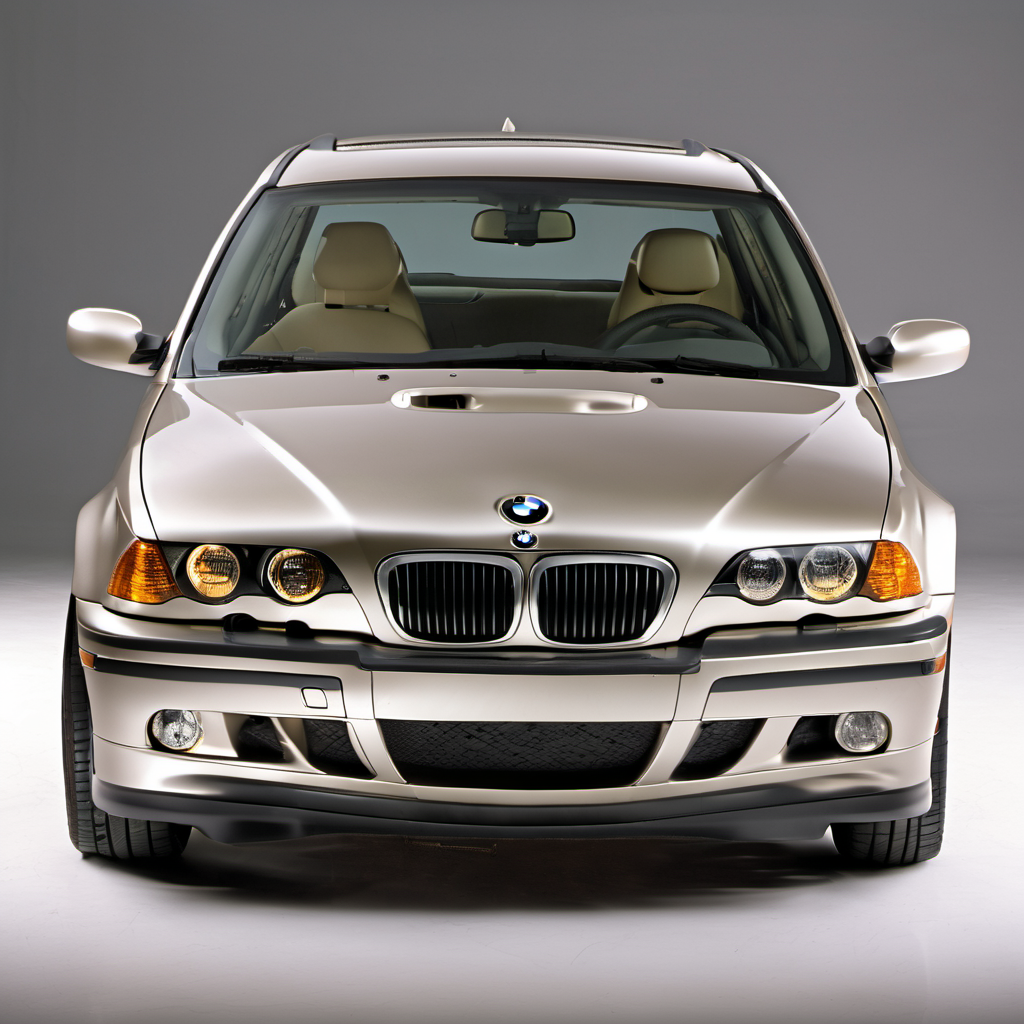
The car the IS 300 was directly designed to compete with. Similar RWD sport sedan mission and price point; BMW has higher maintenance costs at this age but similar driver engagement.
RWD, inline-six sport sedan from the same era. More horsepower, similarly strong long-term reliability, and a nearly identical target buyer.
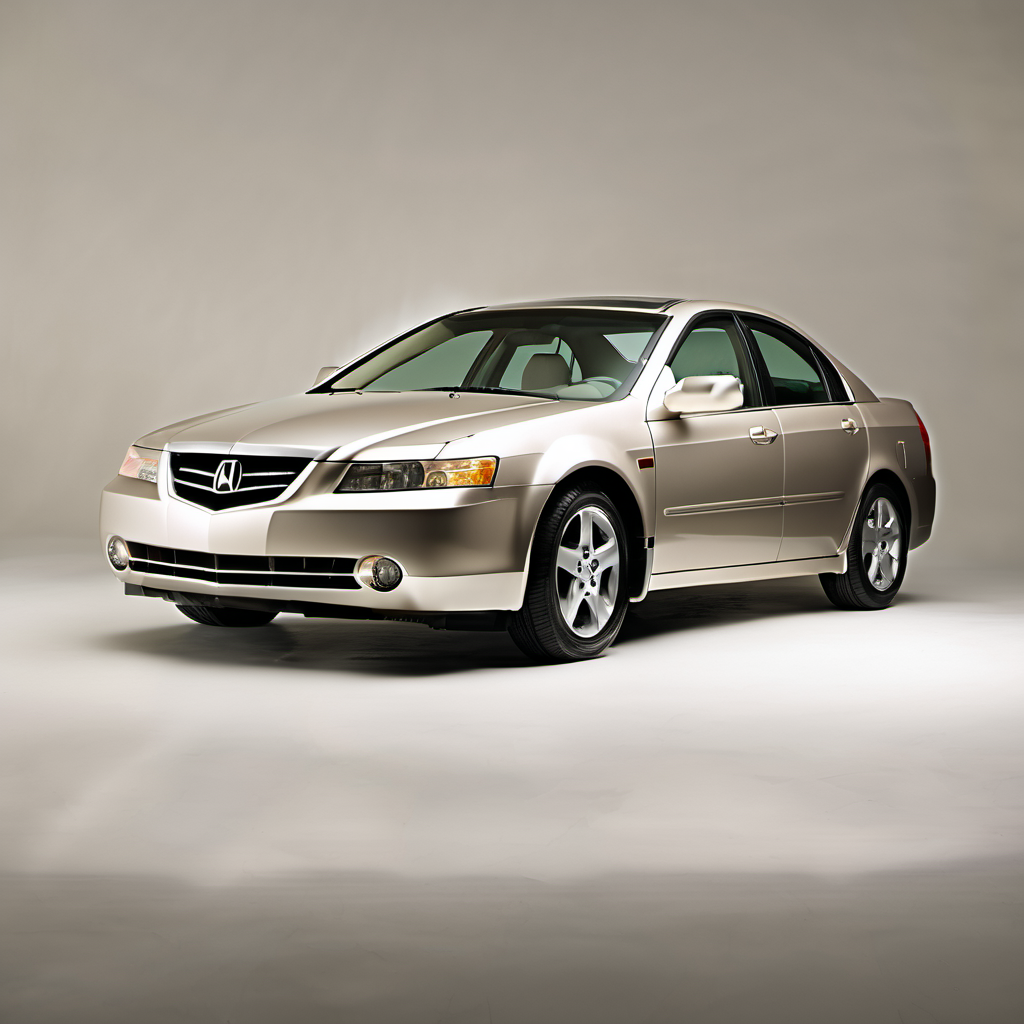
FWD vs. RWD, but same luxury sport sedan segment, similar reliability ceiling, and comparable used-market pricing.
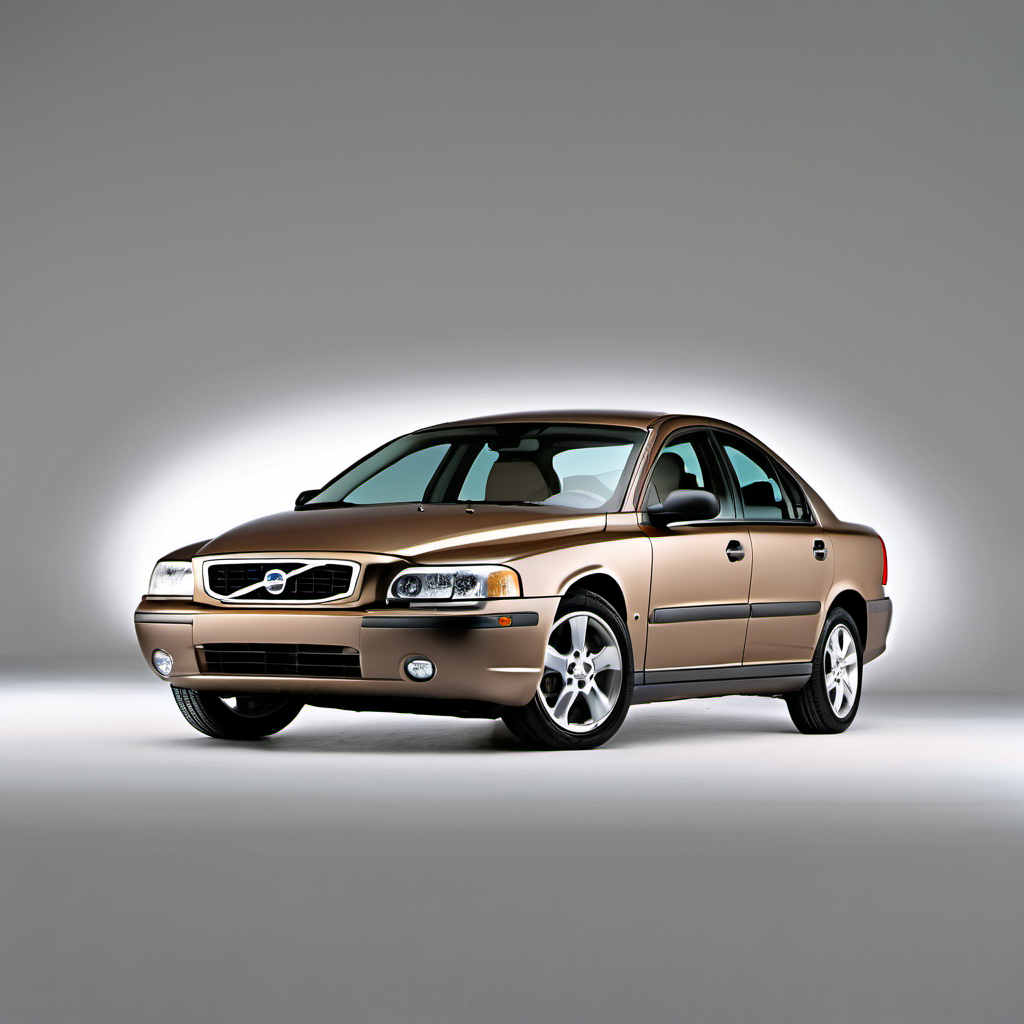
European alternative in the same segment and price range. Notably higher maintenance costs at this age but similar sport-sedan intent.