Engine Oil Sludge (1.8T)
high- Typically appears
- 60–120k mi
- Estimated repair
- $1,500 – $4,000
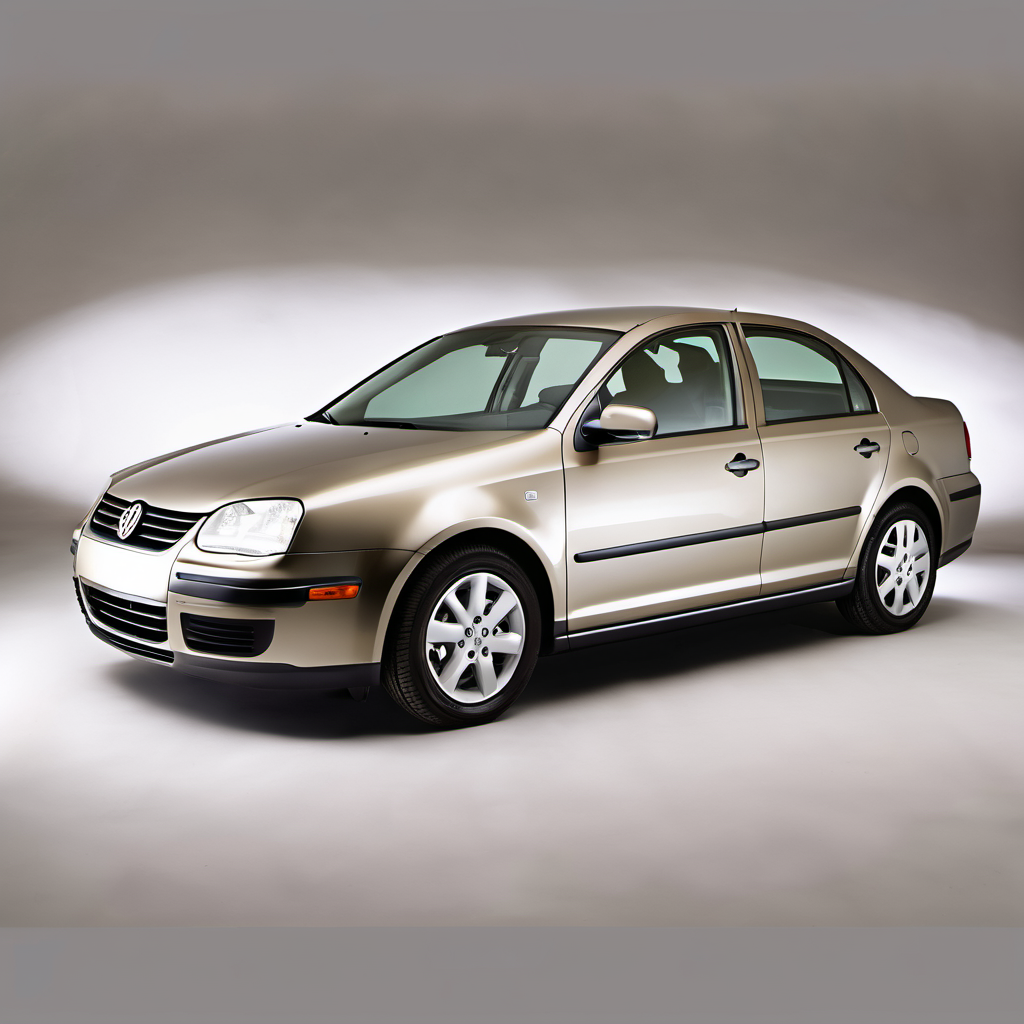
2004 Volkswagen
Wagon
The 2004 Volkswagen Jetta Wagon (sold in North America as the Jetta Wagon or SportWagen predecessor) is the MK4-generation Jetta in its versatile wagon body. Built on VW's A4 platform, it offers a surprisingly roomy cargo hold in a compact footprint — a genuine European-style estate that was rare in its segment. With the 1.8T engine, it delivers eager turbocharged performance that sets it apart from economy-focused compact wagons of the era. The 1.8T engine made this wagon genuinely fun to drive, but that turbocharged four-cylinder is also the source of most ownership headaches. Sludge buildup from oil change neglect, a finicky coil pack setup, and temperamental vacuum lines are well-documented MK4 issues. Buyers who kept up with maintenance — especially using the correct oil and shorter change intervals than VW's factory recommendation — were far better rewarded than those who followed the 10,000-mile oil change schedule. In Lake Geneva, this car's FWD platform and modest ground clearance mean you'll want dedicated winter tires for serious snow. It's a practical, character-filled daily driver when maintained properly, but it demands more attention than a comparable Japanese compact wagon. Budget for ownership accordingly.
The 2004 Volkswagen Jetta Wagon (sold in North America as the Jetta Wagon or SportWagen predecessor) is the MK4-generation Jetta in its versatile wagon body. Built on VW's A4 platform, it offers a surprisingly roomy cargo hold in a compact footprint — a genuine European-style estate that was rare in its segment. With the 1.8T engine, it delivers eager turbocharged performance that sets it apart from economy-focused compact wagons of the era. The 1.8T engine made this wagon genuinely fun to drive, but that turbocharged four-cylinder is also the source of most ownership headaches. Sludge buildup from oil change neglect, a finicky coil pack setup, and temperamental vacuum lines are well-documented MK4 issues. Buyers who kept up with maintenance — especially using the correct oil and shorter change intervals than VW's factory recommendation — were far better rewarded than those who followed the 10,000-mile oil change schedule. In Lake Geneva, this car's FWD platform and modest ground clearance mean you'll want dedicated winter tires for serious snow. It's a practical, character-filled daily driver when maintained properly, but it demands more attention than a comparable Japanese compact wagon. Budget for ownership accordingly.
The 1.8T is sludge-prone. Shorter intervals with the correct spec oil are the single most important thing you can do to protect this engine.
Worn plugs accelerate coil pack wear. Replace plugs and inspect coils together to avoid double labor.
MK4 coil packs are a known consumable. Inspect at every plug service and replace the full set proactively once any one fails.
Plastic cooling components become brittle. Catching a hairline crack before it becomes a roadside failure is critical, especially during Wisconsin winters.
VW G12/G13 coolant degrades and becomes acidic, accelerating plastic and aluminum component corrosion. Use the correct VW-spec coolant only.
The 1.8T is an interference engine — a broken timing belt means bent valves and a destroyed engine. Water pump is driven by the same belt; always replace together.
Clogged filters reduce HVAC airflow and put strain on the blower motor — especially important for defrost performance in Wisconsin winters.
Road salt in Lake Geneva winters accelerates rust on brake lines, fuel lines, and the subframe. Catching corrosion early is far cheaper than emergency brake line replacement.
Always defer to the manufacturer's service manual for warranty-mandated intervals.
The 2004 Jetta Wagon 1.8T is cheap to buy but not cheap to own. Annual maintenance runs higher than a comparable Japanese compact because parts cost more and labor takes longer. The biggest financial risk is a major repair — timing belt failure, sludged engine, or a cascading electrical issue — that can easily exceed the car's market value. Keep a repair fund, stay current on maintenance, and this car can be a rewarding, practical daily driver. Fall behind, and it becomes expensive quickly.
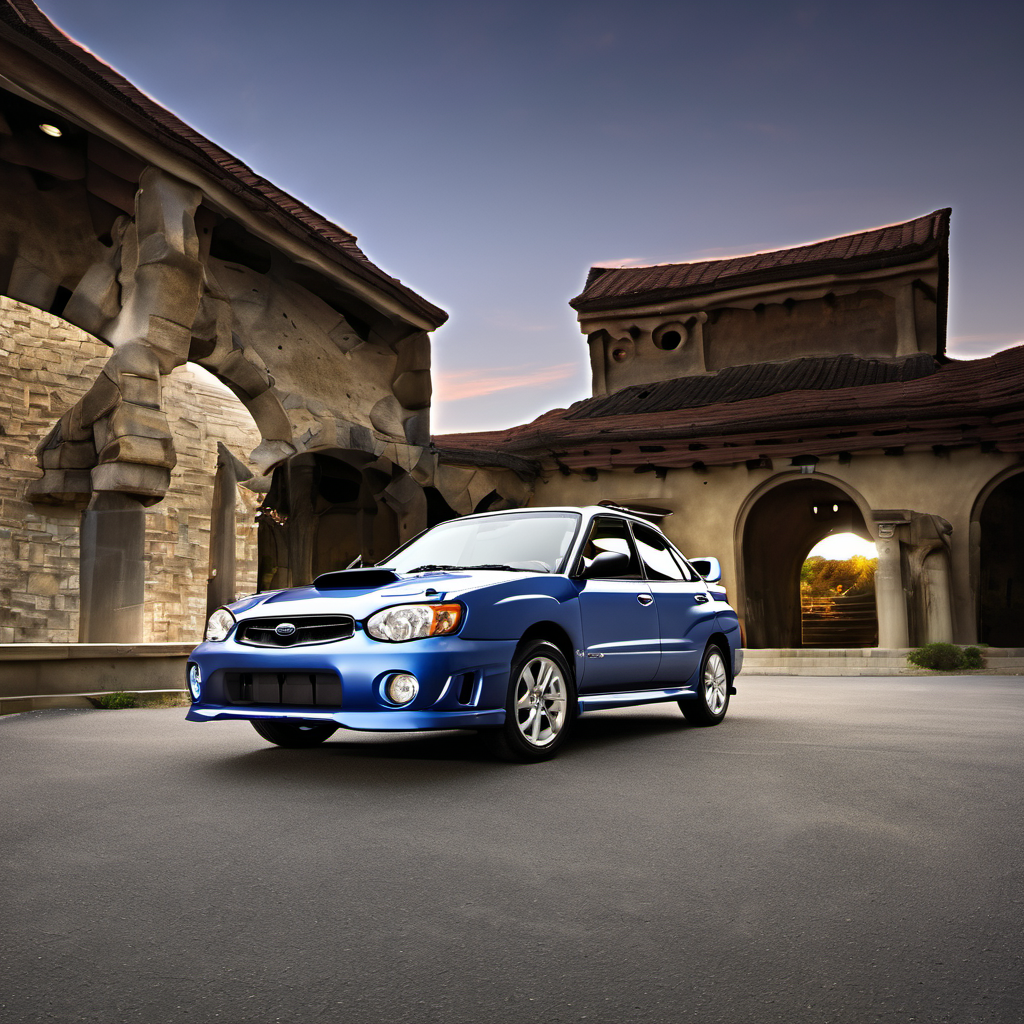
Similar compact wagon footprint and price point, but offers AWD — a significant advantage for Wisconsin winters — with lower ownership complexity.
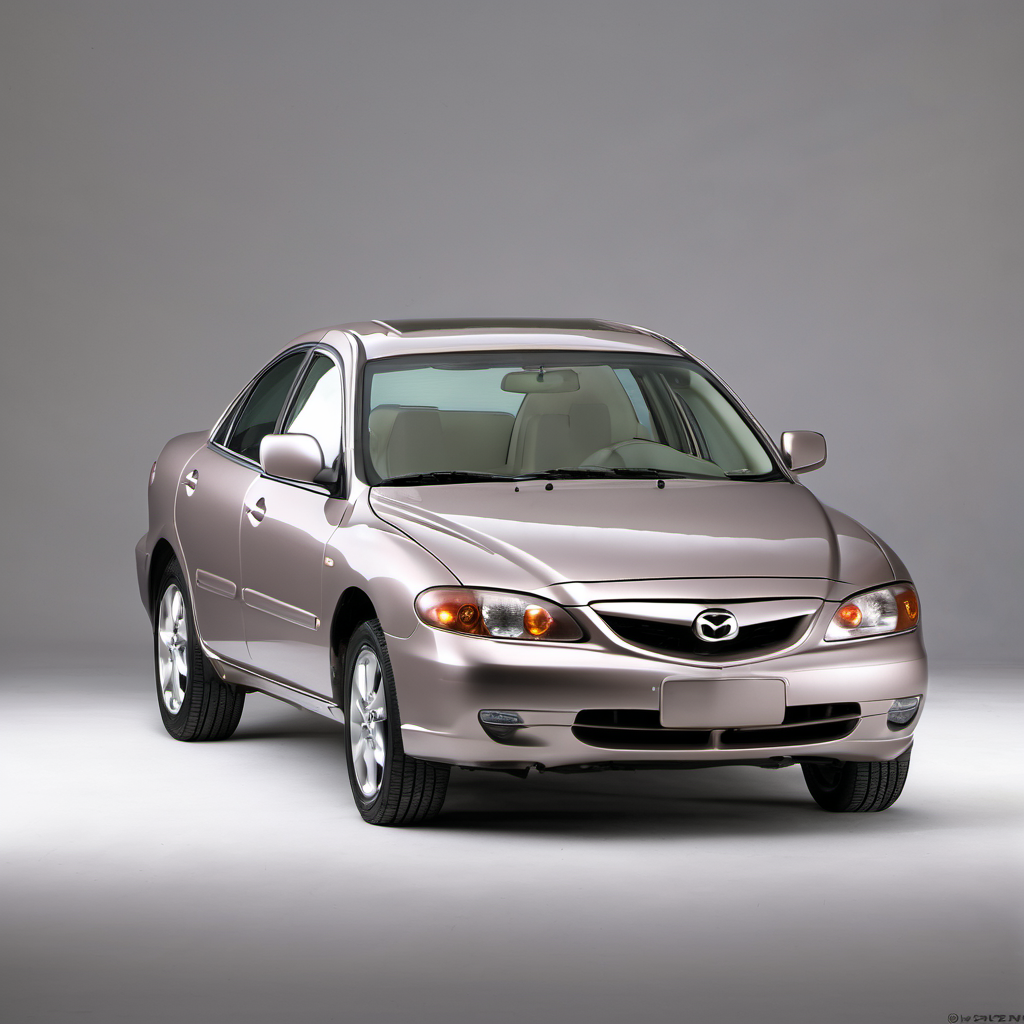
Comparable cargo space and driving dynamics with better long-term reliability and lower parts costs. Rarer but worth seeking out.
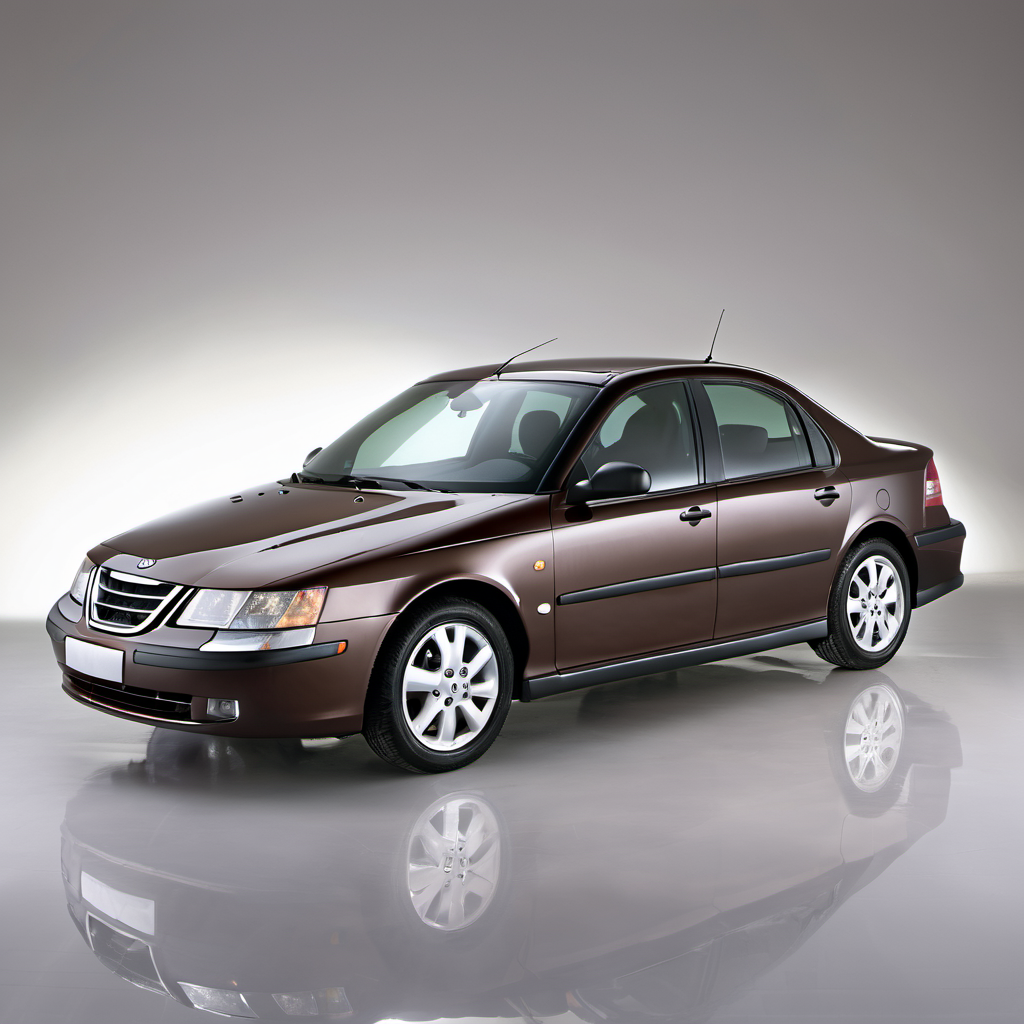
European turbocharged wagon in the same spirit, though also European-complex. Similar ownership profile — rewarding when maintained, costly when not.
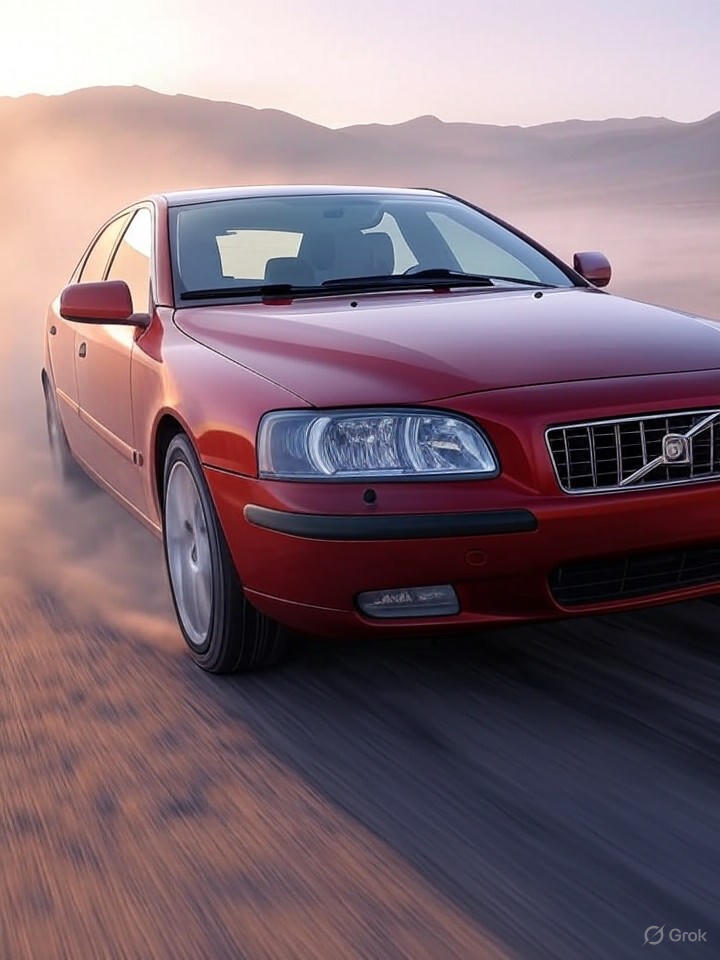
Compact European wagon alternative with a strong safety reputation. Parts availability has declined, but it targets the same buyer looking for wagon practicality with character.