Intake manifold gasket / coolant leak
high- Typically appears
- 80–150k mi
- Estimated repair
- $200 – $450
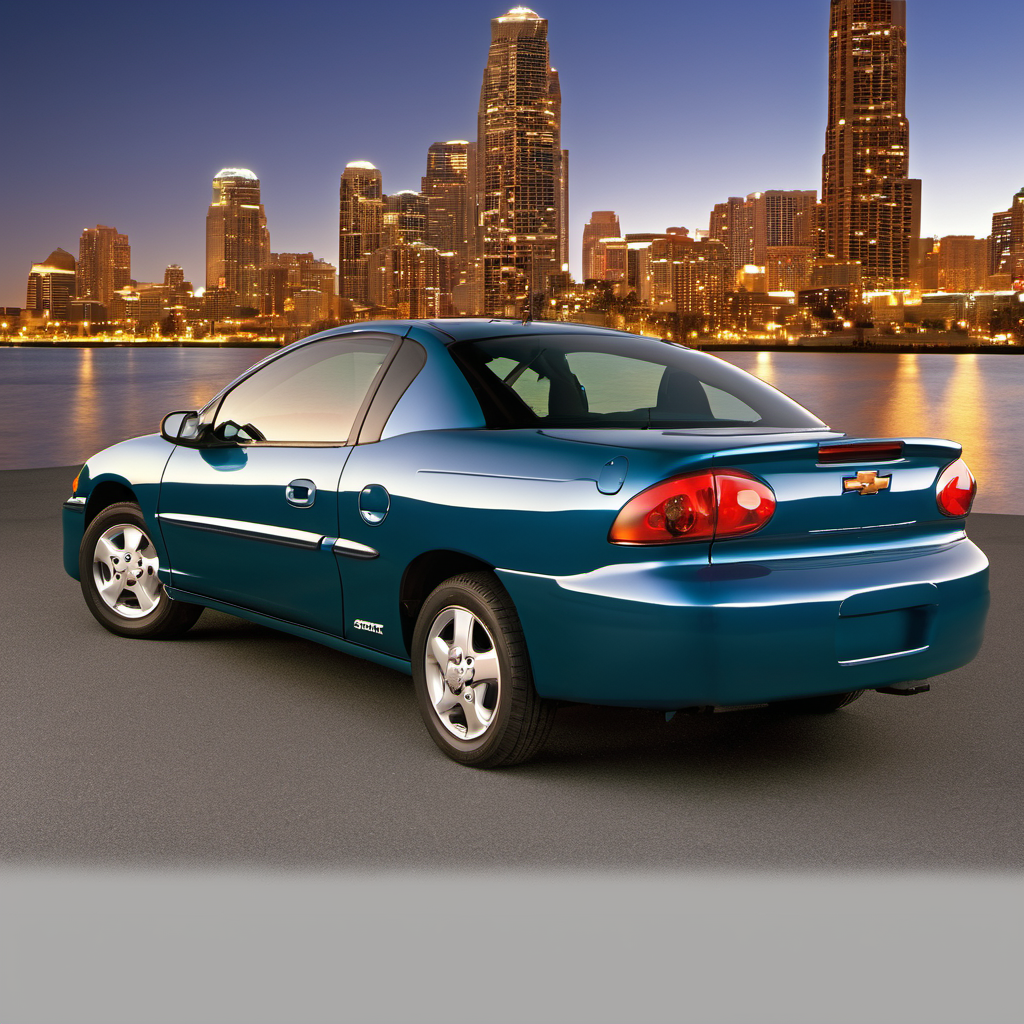
2005 Chevrolet
Sedan
The 2005 Chevrolet Cavalier is the final model year of a compact sedan that ran from 1982 through 2005. By this point, the Cavalier was showing its age against newer competitors, but it remained a popular choice for budget-conscious buyers thanks to its low purchase price, affordable insurance, and simple mechanicals that any independent shop could work on. The 2.2L Ecotec four-cylinder introduced in the 2003 refresh gave the last-generation Cavalier a meaningful bump in efficiency and durability over the older 2.2L OHV it replaced. For a 20-year-old economy car, a well-maintained Cavalier can still rack up miles without breaking the bank. Parts are widely available and inexpensive. The trade-off is that these cars were built to a price point — interior quality, ride refinement, and safety ratings are all below what you'd expect from a modern vehicle. Rust is the number-one enemy on Wisconsin roads, and at this age it deserves a very close look before purchase. The Cavalier was replaced by the Cobalt for 2006. If you're shopping, a low-mileage, rust-free example makes a sensible daily driver. If you already own one, consistent maintenance and keeping the undercarriage clean are the best investments you can make.
The 2005 Chevrolet Cavalier is the final model year of a compact sedan that ran from 1982 through 2005. By this point, the Cavalier was showing its age against newer competitors, but it remained a popular choice for budget-conscious buyers thanks to its low purchase price, affordable insurance, and simple mechanicals that any independent shop could work on. The 2.2L Ecotec four-cylinder introduced in the 2003 refresh gave the last-generation Cavalier a meaningful bump in efficiency and durability over the older 2.2L OHV it replaced. For a 20-year-old economy car, a well-maintained Cavalier can still rack up miles without breaking the bank. Parts are widely available and inexpensive. The trade-off is that these cars were built to a price point — interior quality, ride refinement, and safety ratings are all below what you'd expect from a modern vehicle. Rust is the number-one enemy on Wisconsin roads, and at this age it deserves a very close look before purchase. The Cavalier was replaced by the Cobalt for 2006. If you're shopping, a low-mileage, rust-free example makes a sensible daily driver. If you already own one, consistent maintenance and keeping the undercarriage clean are the best investments you can make.
The Ecotec engine is oil-change sensitive. Sludge from extended intervals causes timing chain wear and VVT solenoid issues at this age. Use the drain plug torque spec of 18 ft-lb — no more.
Degraded Dex-Cool becomes acidic and attacks intake gaskets, hoses, and the thermostat housing. Check the reservoir for brown sludge — that's a red flag.
A snapped belt on this engine kills the water pump, power steering, and alternator simultaneously. At 20 years old, replace on age alone if history is unknown.
The 2.2L Ecotec runs iridium-tip plugs at spec. Worn plugs cause misfires and reduced fuel economy, especially noticeable in cold Wisconsin starts.
Brake fluid absorbs moisture over time, lowering the boiling point. Critical for safe winter driving on Wisconsin hills and in stop-and-go traffic.
FWD cars wear front tires significantly faster. Even rotation extends tire life and keeps handling balanced in wet or snowy conditions.
Road salt in Lake Geneva area accelerates rust. Check subframe mounting points, brake lines, and fuel lines. At this age, structural rust can be a safety issue, not just cosmetic.
The Cavalier's charging system is modest. A battery older than 4 years that hasn't been tested will often fail on the first true sub-zero morning of the season.
Always defer to the manufacturer's service manual for warranty-mandated intervals.
The Cavalier's biggest ownership advantage is its rock-bottom repair costs — parts are cheap and labor is quick because mechanics know this platform cold. The risk at this age is that deferred maintenance on a $2,000–$4,000 car can result in repair bills that exceed the vehicle's value. Budget for suspension work and cooling system service if the history is unknown. Keep up with the basics and this car is genuinely inexpensive to own.
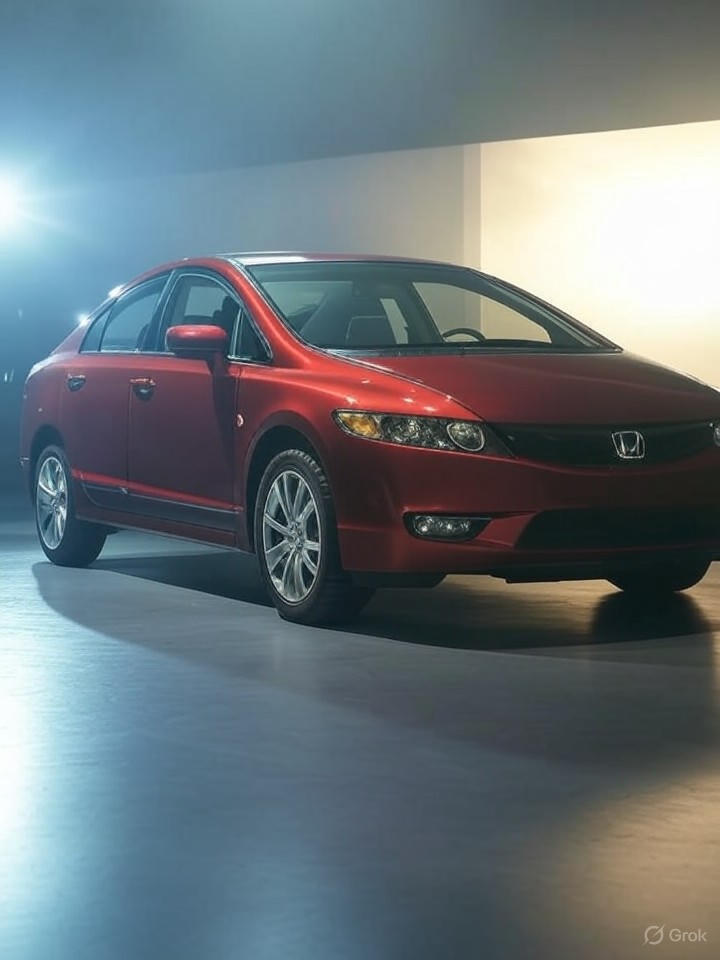
Same compact sedan segment, similar fuel economy, and similar price point used. The Civic has a significantly better reliability track record and holds value better, making it a smarter long-term buy if you can find a rust-free example.
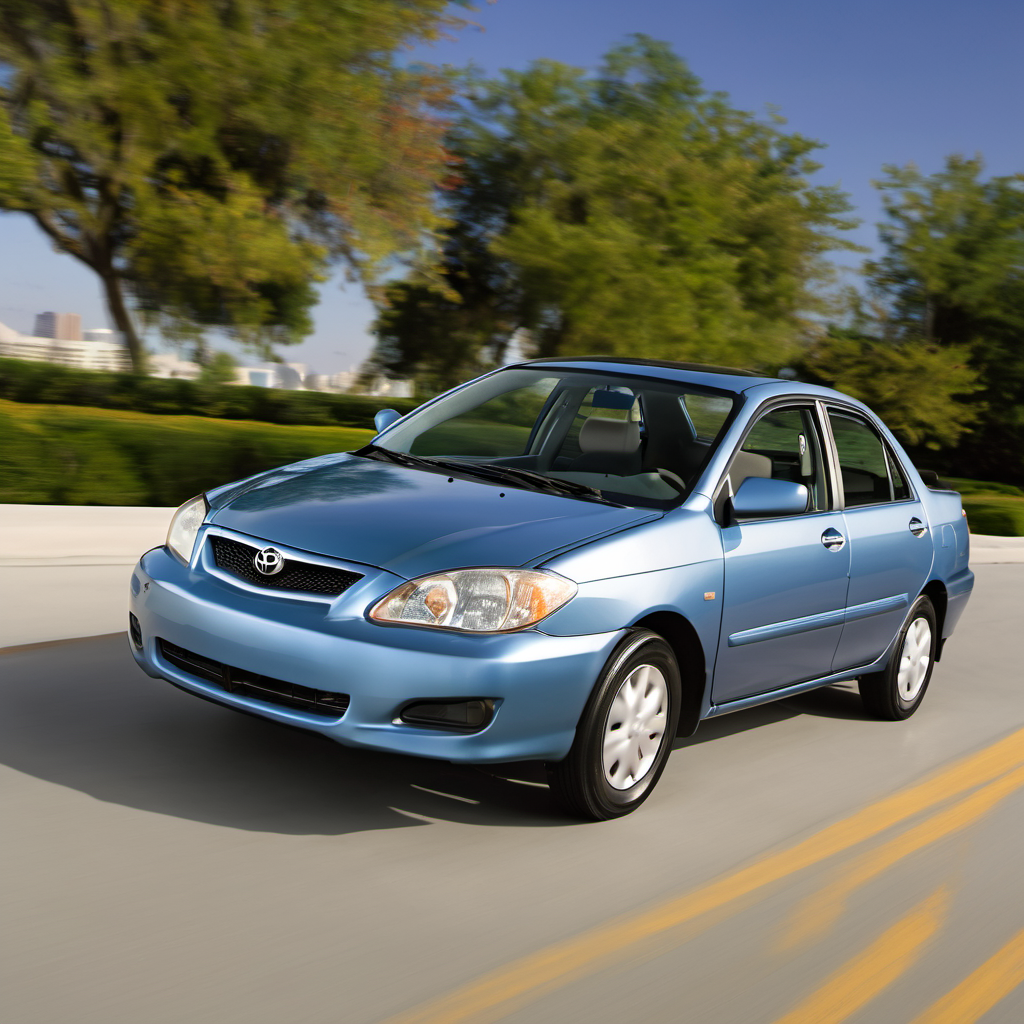
Direct competitor in the budget compact segment. The Corolla typically outlasts the Cavalier by a wide margin with fewer major repairs. Parts are slightly more expensive but the reduced failure rate evens it out.
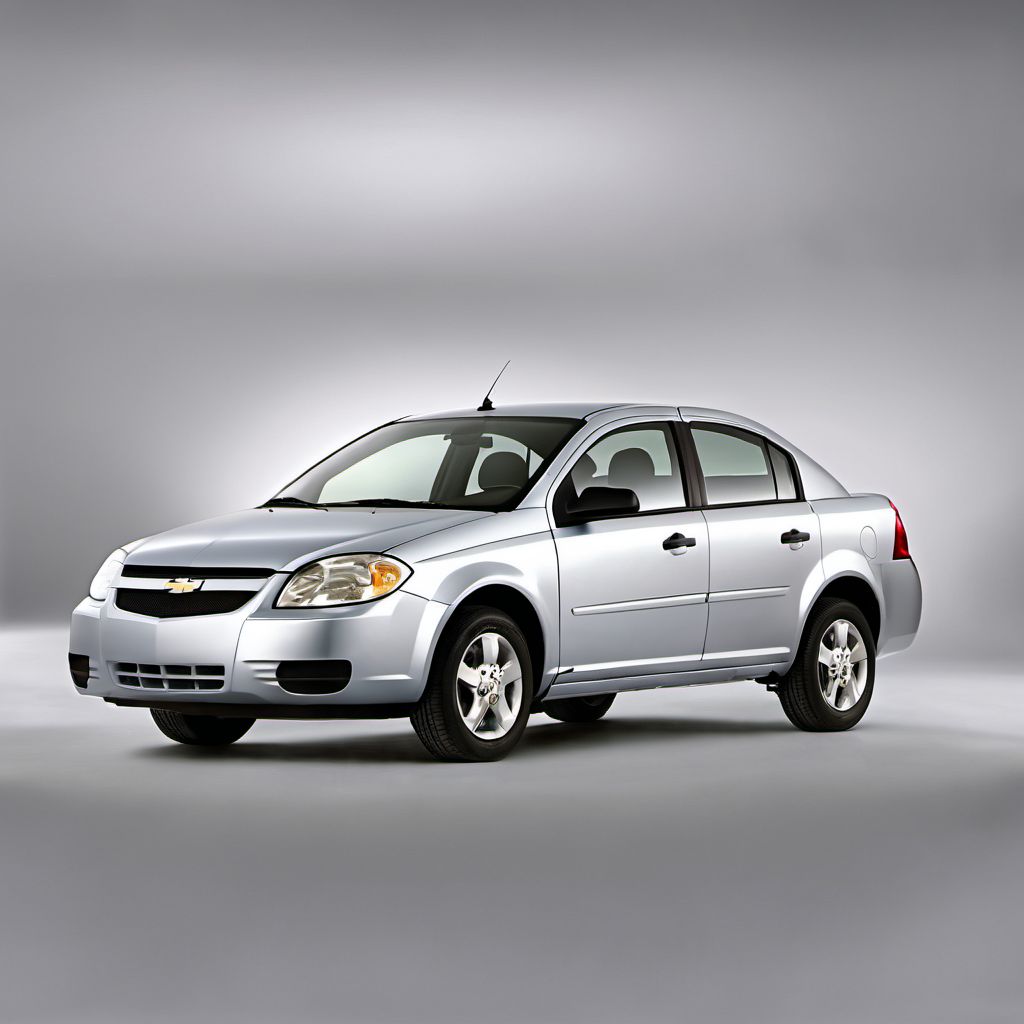
The Cavalier's direct replacement. Shares the Ecotec engine but has a more modern platform, better crash ratings, and a fresher interior. A logical step up for someone who likes the Cavalier's simplicity and low running costs.
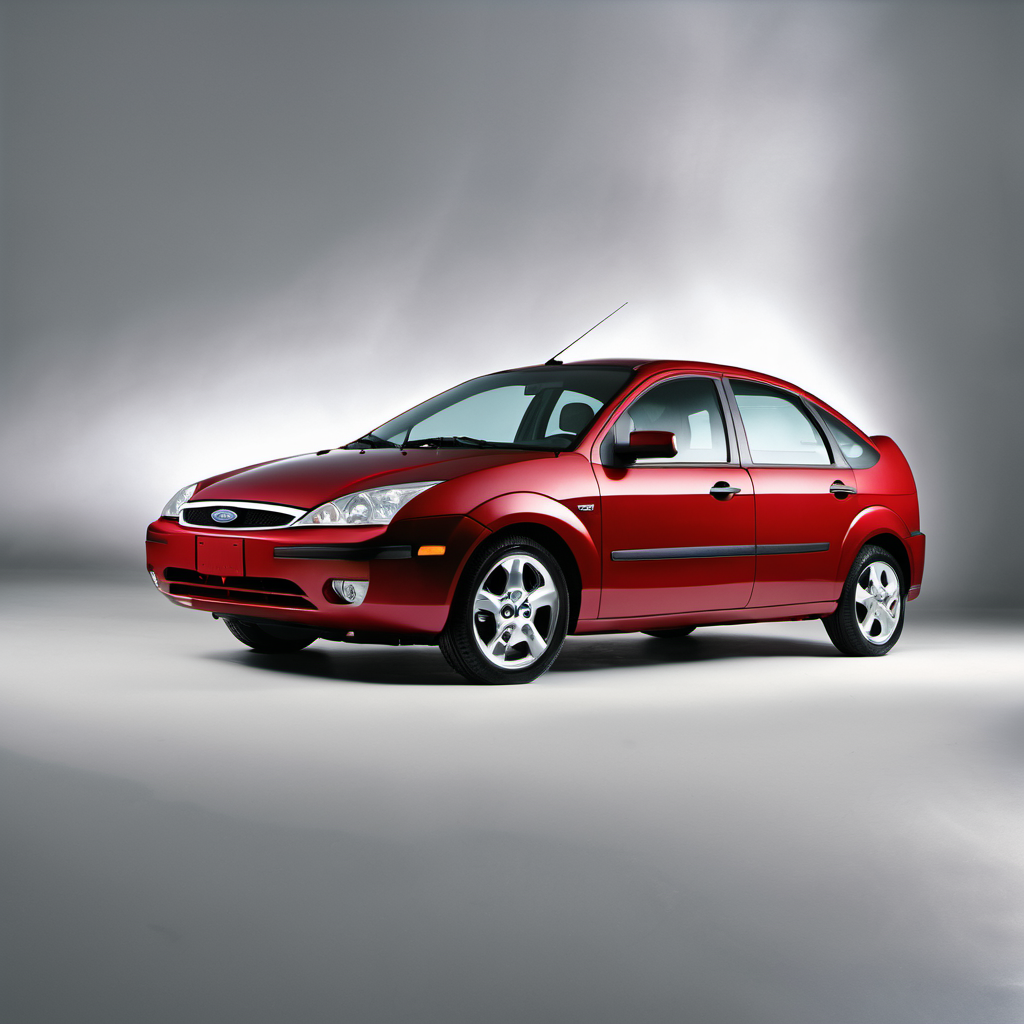
Similar price range and mission. The Focus has a more engaging driving feel and comparable fuel economy. Reliability is roughly on par with the Cavalier, though electrical gremlins are a known Ford Focus issue of this era.