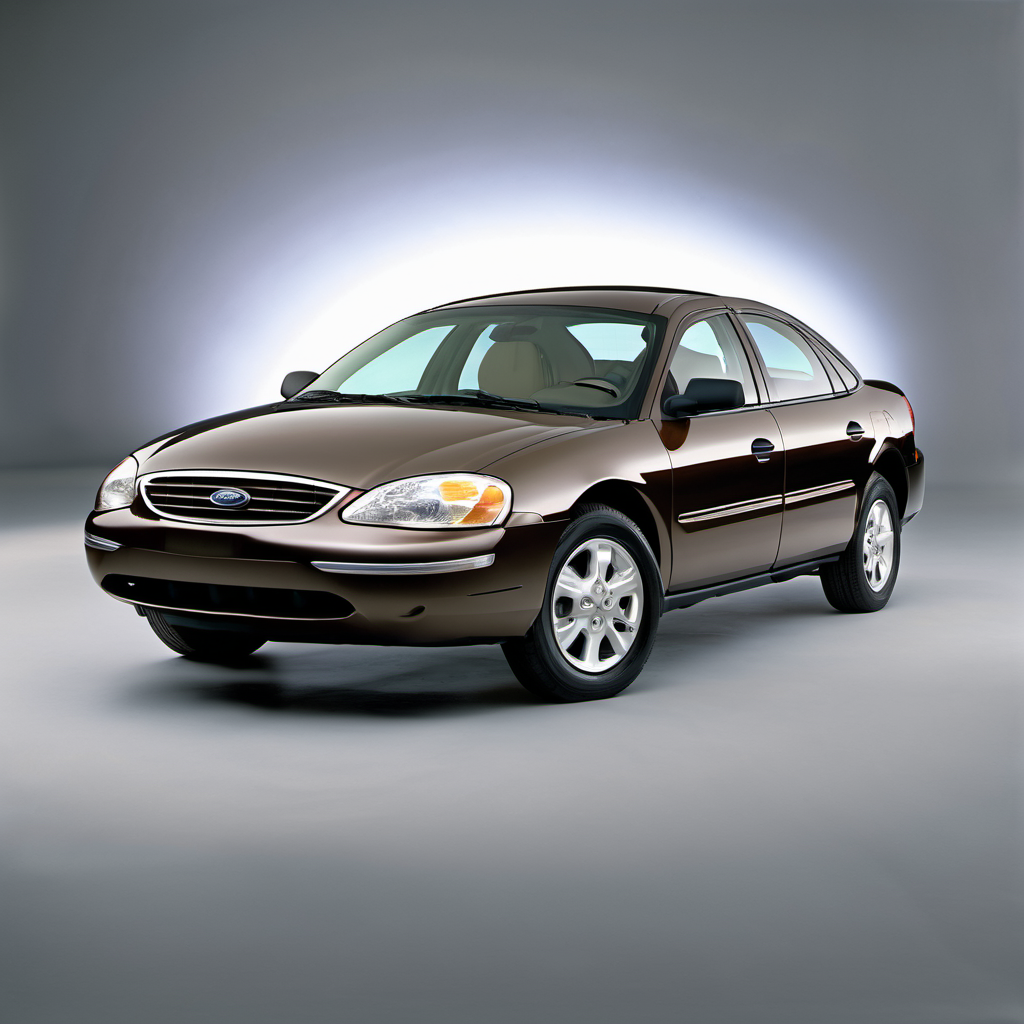
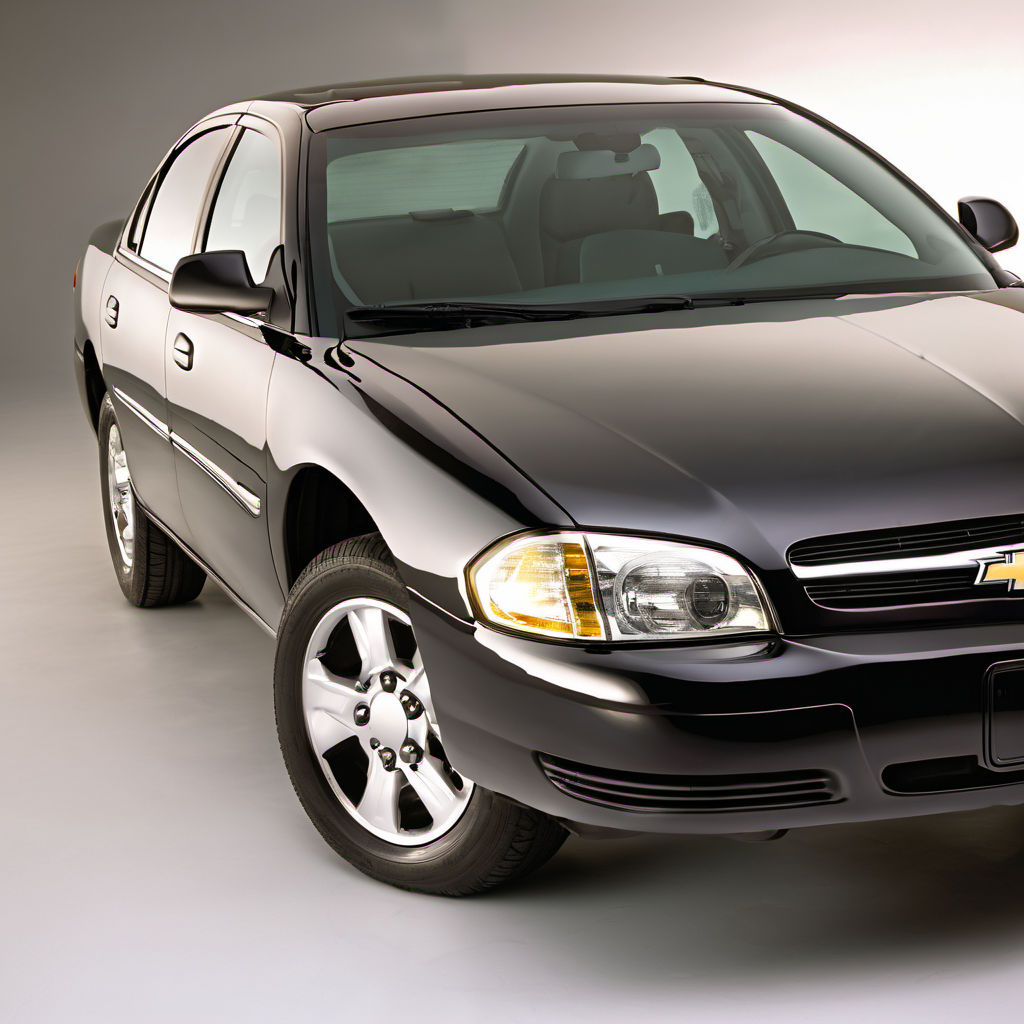
2005 Ford Taurus Sedan

2005 Ford

TaurusSedan

Sedan

The 2005 Ford Taurus is a front-wheel-drive family sedan that spent over two decades as one of America's best-selling cars — and for good reason. It offered a roomy interior, a proven V6 engine, and a low purchase price that made it a staple of rental fleets, family garages, and first-time buyers alike. By 2005, the Taurus was in the final stretch of its fourth-generation run before Ford briefly discontinued the nameplate in 2006. That means parts are plentiful and cheap, independent shops know this car inside and out, and depreciation has already bottomed out. It's not exciting, but it's honest transportation. The Vulcan 3.0L V6 (standard) is the engine to look for on a used example — it's simple, long-lived, and tolerant of maintenance gaps. The DOHC Duratec 3.0L is more powerful but carries higher repair costs when things go wrong. Either way, at this age the biggest threats are coolant system neglect, worn suspension bushings, and rust on the underbody — all common concerns in salt-heavy Wisconsin.

Reliability
3/5
Verified data
Specs shown for Taurus — the most common configuration. Other trims may vary in engine, drivetrain, or fuel economy. Sign in to see your vehicle's exact specs.
Engine
[object Object]
Drivetrain
FWD
Fuel
Gasoline
MPG
18 city / 25 hwy / 20 combined
Seats
Doors
Body
Large Cars

Overview

AI-curated

The 2005 Ford Taurus is a front-wheel-drive family sedan that spent over two decades as one of America's best-selling cars — and for good reason. It offered a roomy interior, a proven V6 engine, and a low purchase price that made it a staple of rental fleets, family garages, and first-time buyers alike. By 2005, the Taurus was in the final stretch of its fourth-generation run before Ford briefly discontinued the nameplate in 2006. That means parts are plentiful and cheap, independent shops know this car inside and out, and depreciation has already bottomed out. It's not exciting, but it's honest transportation. The Vulcan 3.0L V6 (standard) is the engine to look for on a used example — it's simple, long-lived, and tolerant of maintenance gaps. The DOHC Duratec 3.0L is more powerful but carries higher repair costs when things go wrong. Either way, at this age the biggest threats are coolant system neglect, worn suspension bushings, and rust on the underbody — all common concerns in salt-heavy Wisconsin.

Known for
  • Affordable purchase and repair costs
  • Roomy, comfortable cabin for a mid-size sedan
  • Proven 3.0L Vulcan V6 with strong longevity
  • Massive parts availability nationwide
Best for
  • Budget-conscious daily drivers
  • High-mileage commuters who want cheap fixes
  • Families needing practical, no-frills transportation
  • First-time used car buyers
Watch for
  • Coolant system failures — intake manifold gaskets and the plastic crossover tube are known weak points
  • Significant underbody rust on Wisconsin-driven examples
  • Transmission issues on high-mileage units (AX4N/4F50N)
  • Head gasket concerns on the Duratec DOHC variant specifically

Common issues by mileage

6 known

Coolant crossover tube / intake manifold coolant leak

high
Typically appears
60–130k mi
Estimated repair
$250 – $600

Transmission slipping or delayed engagement (AX4N / 4F50N)

medium
Typically appears
100–160k mi
Estimated repair
$1,200 – $2,800

Oxygen sensor failure (upstream or downstream)

medium
Typically appears
80–130k mi
Estimated repair
$120 – $280

Worn front struts and control arm bushings

high
Typically appears
80–120k mi
Estimated repair
$400 – $900

Throttle body / idle air control valve causing rough idle

medium
Typically appears
90–150k mi
Estimated repair
$100 – $350

Underbody and subframe rust (Wisconsin / salt-belt specific)

high
Typically appears
Any mileage on salt-belt vehicles
Estimated repair
$200 – $1,500

Maintenance schedule

  1. 1
    Every 5,000 miles or 6 months Engine oil and filter change

    The Vulcan V6 rewards consistent oil changes with exceptional longevity. At this age, don't stretch intervals — sludge buildup accelerates wear on a 20-year-old engine.

  2. 2
    Every 30,000 miles or 2 years Coolant flush and system inspection

    Cooling system neglect is the #1 killer of this engine. Inspect the plastic crossover tube and intake manifold gaskets at every service — cracks or seeps here turn into expensive overheating events quickly.

  3. 3
    Every 30,000 miles Transmission fluid change

    Ford called this a 'lifetime' fluid, but the AX4N/4F50N does not tolerate degraded fluid. Fresh fluid at 30k-mile intervals is cheap insurance against a $1,500+ rebuild.

  4. 4
    Every 60,000 miles Spark plugs and ignition wires

    The Vulcan V6 uses conventional copper-core plugs and suppression wire sets. At 20 years old, these are likely overdue and directly affect fuel economy and cold starts.

  5. 5
    Every 2 years Brake fluid flush

    Brake fluid absorbs moisture over time, lowering boiling point and accelerating caliper and ABS module corrosion — a real concern in Wisconsin's wet winters.

  6. 6
    Every winter season (monthly wash during salt season) Underbody wash and inspection

    Lake Geneva roads are heavily salted. Regular underbody rinses and an annual inspection of the subframe, brake lines, and fuel lines can catch rust before it becomes structural.

  7. 7
    Every 60,000 miles or at any sign of squealing Serpentine belt and tensioner inspection

    A snapped belt leaves you stranded. The tensioner pulley bearing is a common wear item on this engine; replace both at the same time to avoid a repeat job.

  8. 8
    Every fall, before Wisconsin winter Battery load test

    A battery that tests marginal in October will likely fail in January at sub-zero temps. This is a $20 test that prevents a $150 tow.

Always defer to the manufacturer's service manual for warranty-mandated intervals.

Cost of ownership

Annual maintenance
$600 – $1,400
Fuel
At 20 MPG combined and ~12,000 miles/year, expect roughly $1,500–$1,800/year at current Midwest gas prices.
Insurance
Typically one of the cheapest sedans to insure — low repair costs and no performance profile. Expect $700–$1,100/year for full coverage on a driver with a clean record.

The Taurus wins on purchase price and keeps winning on routine maintenance costs — parts are abundant and cheap, and any shop can work on it. The risk is deferred maintenance: cooling and transmission repairs can run $1,500–$2,800 each if neglected. Budget a little extra each year for preventive work and you'll get reliable transportation for very low cost per mile.
Seasonal care

Lake Geneva, WI
Winter
  • Load-test the battery every October — the 3.0L Vulcan cranks hard in sub-zero temps and a weak battery won't make it through January.
  • Switch to a winter-grade washer fluid rated to at least -20°F; the standard reservoir freezes and can crack the pump in Wisconsin cold.
  • Inspect rubber brake lines and steel brake lines under the car for rust pitting before winter — salt accelerates any existing corrosion aggressively.
  • Check coolant freeze protection with a tester (not just by color); a compromised mix can freeze and crack the block or the plastic crossover tube.
  • Run the A/C briefly once a month even in winter to keep the compressor seals lubricated and prevent refrigerant loss.
  • Wash the underbody every 2–3 weeks during active salt season; pay attention to the subframe, fuel lines, and rear wheel wells where mud traps moisture.
Summer
  • Check tire pressure monthly — pressure drops ~1 PSI for every 10°F temperature change, and underinflated tires on hot pavement wear fast and hurt fuel economy.
  • Inspect the A/C system before the first heat wave; this car is old enough that the refrigerant charge and compressor clutch should be verified rather than assumed.
  • Watch the temperature gauge closely on hot days — a coolant system that's 'good enough' in spring can overheat under load in July heat. Any creep toward the red means investigate immediately.
  • Check power steering fluid level and condition; heat accelerates fluid breakdown and the rack seals on this generation can weep at high mileage.

Comparable vehicles

If you're shopping for one

Red flags
  • Overheating history or evidence of a head gasket repair — walk away unless price reflects it heavily
  • Transmission that hesitates into reverse or slips between 2nd and 3rd gear
  • Heavy subframe rust — this is a safety issue and often costs more to repair than the car is worth
  • Mismatched or bubbling paint on lower rocker panels and rear wheel arches, indicating body filler over rust
  • Any check engine light — have it scanned before purchase; oxygen sensor and emissions codes on an older Taurus can mean a partially-failed catalyst or worse
What to inspect
  • Coolant condition and level — look for oil contamination (milky residue on cap) or rust-colored coolant indicating a neglected system
  • Plastic coolant crossover tube on top of the engine for cracks, weeping, or evidence of prior repair
  • Transmission behavior: smooth, firm shifts when cold AND warm; any shudder, slip, or delayed reverse engagement is a red flag
  • Full underbody inspection: subframe, brake lines, fuel lines, and floor pans for rust — especially critical on any Wisconsin-titled car
  • Strut condition: bounce the corners and listen for clunking over bumps; worn struts are common and add up quickly
  • Check for oil leaks at the valve cover gaskets and rear main seal — common at high mileage on the Vulcan
AI profile generated 5 days ago · claude-sonnet-4-6 · v2.