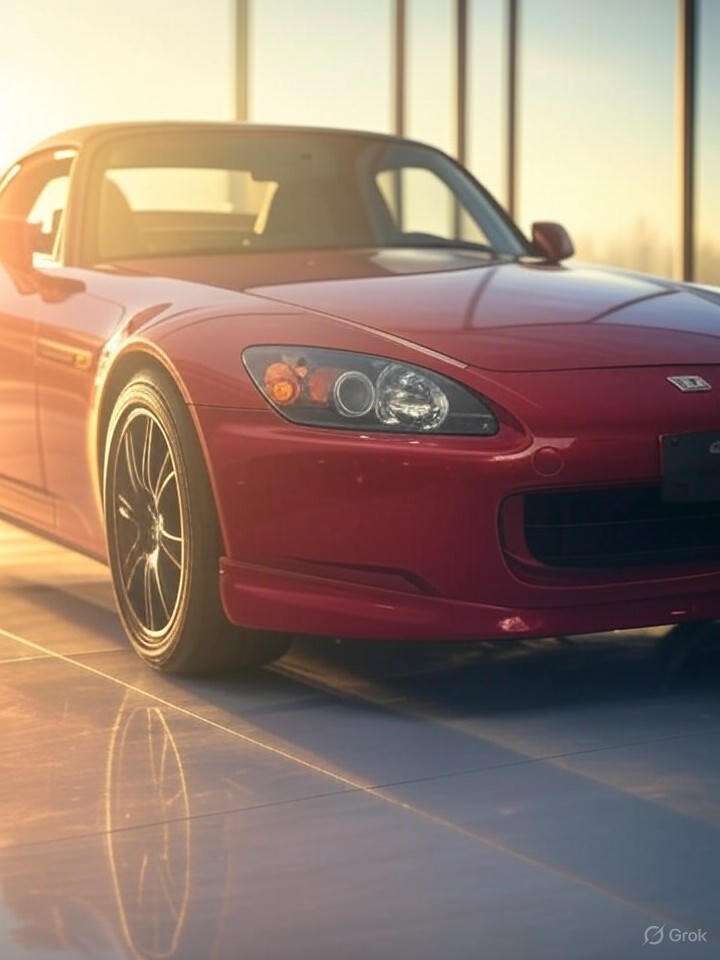
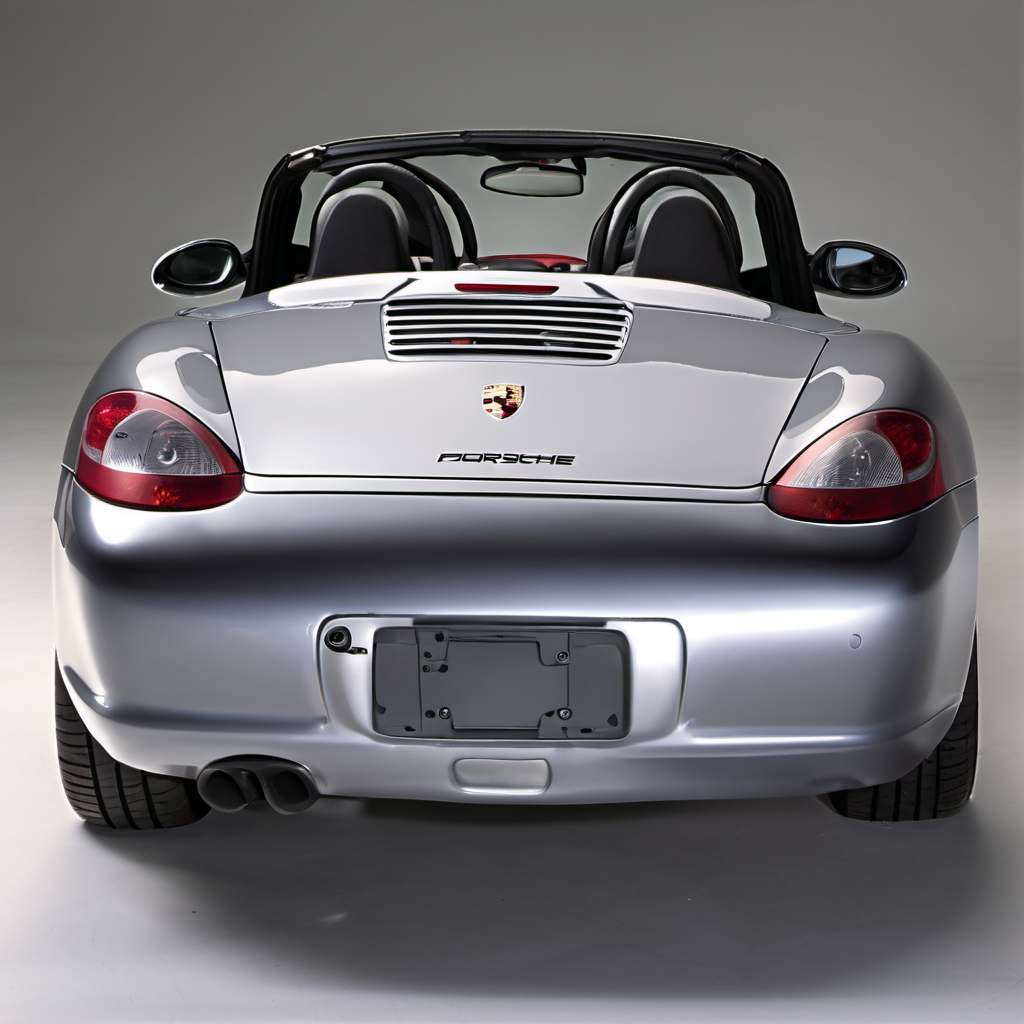
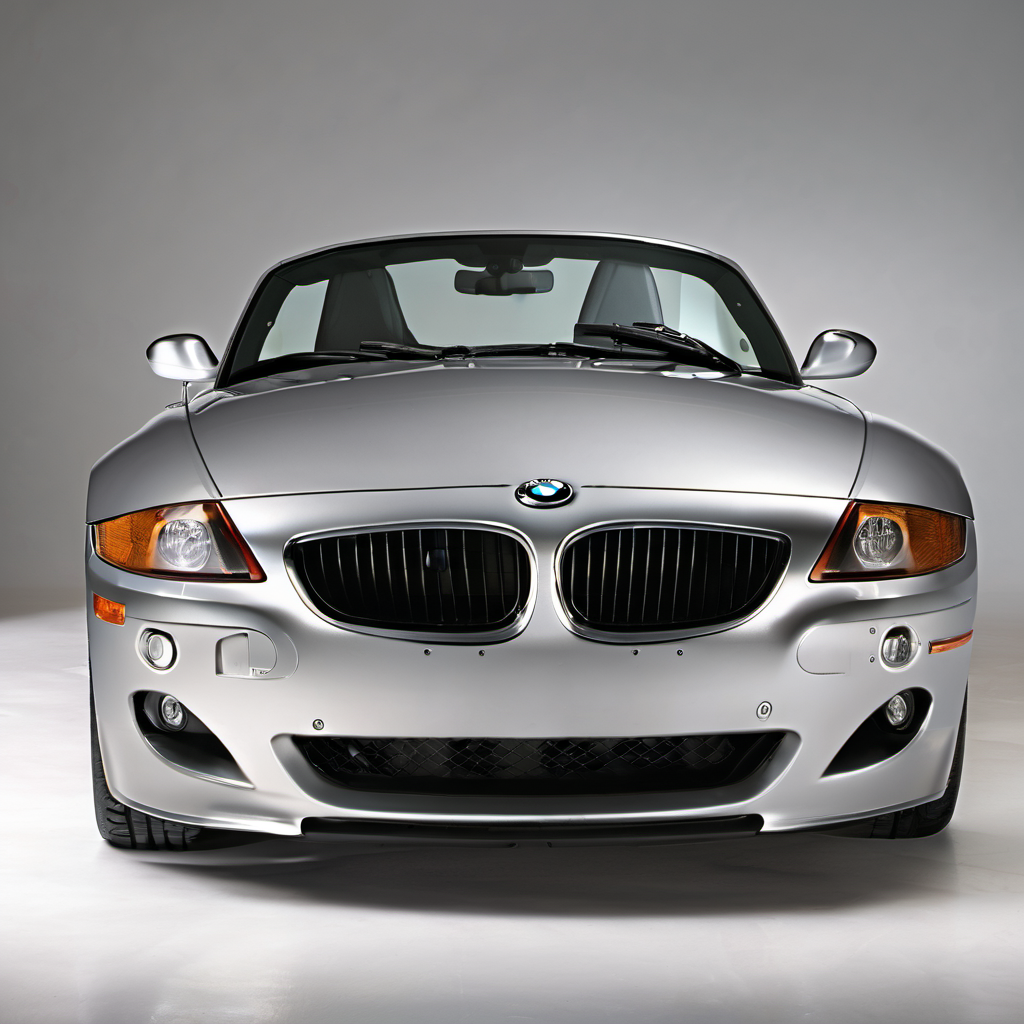
2005 Honda S2000 Convertible

2005 Honda

S2000Convertible

Convertible

The 2005 Honda S2000 is a two-seat, rear-wheel-drive roadster that Honda produced from 1999 to 2009 as a celebration of the company's 50th anniversary. By 2005 it carried the revised AP2 platform with a 2.2L F22C1 engine — a displacement bump from the original 2.0L — which softened the powerband slightly below 6,000 RPM and made it more streetable without sacrificing its legendary high-revving character. It remains one of the highest specific-output naturally aspirated engines ever offered in a production car. The S2000 is a driver's car in the truest sense. The electrically assisted rack-and-pinion steering is sharp, the six-speed close-ratio gearbox is widely regarded as one of the best manual transmissions ever put in a street car, and the chassis balance is near 50/50. None of that comes free: the car punishes inattentive drivers, especially in the wet or on cold tires, and the ride is firm enough to feel every Wisconsin pothole. As a 20-year-old sports car, condition and maintenance history matter enormously. Low-mileage, garage-kept examples remain highly sought after and hold their value well. Abused, tracked, or modified cars can carry expensive hidden problems. Budget accordingly before you buy.

Reliability
4/5
Verified data
Specs shown for S2000 — the most common configuration. Other trims may vary in engine, drivetrain, or fuel economy. Sign in to see your vehicle's exact specs.
Engine
[object Object]
Drivetrain
RWD
Fuel
Premium gasoline
MPG
17 city / 23 hwy / 20 combined
Seats
Doors
Body
Two Seaters

Overview

AI-curated

The 2005 Honda S2000 is a two-seat, rear-wheel-drive roadster that Honda produced from 1999 to 2009 as a celebration of the company's 50th anniversary. By 2005 it carried the revised AP2 platform with a 2.2L F22C1 engine — a displacement bump from the original 2.0L — which softened the powerband slightly below 6,000 RPM and made it more streetable without sacrificing its legendary high-revving character. It remains one of the highest specific-output naturally aspirated engines ever offered in a production car. The S2000 is a driver's car in the truest sense. The electrically assisted rack-and-pinion steering is sharp, the six-speed close-ratio gearbox is widely regarded as one of the best manual transmissions ever put in a street car, and the chassis balance is near 50/50. None of that comes free: the car punishes inattentive drivers, especially in the wet or on cold tires, and the ride is firm enough to feel every Wisconsin pothole. As a 20-year-old sports car, condition and maintenance history matter enormously. Low-mileage, garage-kept examples remain highly sought after and hold their value well. Abused, tracked, or modified cars can carry expensive hidden problems. Budget accordingly before you buy.

Known for
  • 9,000 RPM redline and screaming VTEC powerband on the F22C1
  • One of the best short-throw 6-speed manual gearboxes in its class
  • Near-perfect 50/50 front-to-rear weight distribution
  • Exceptional long-term build quality when maintained correctly
  • Strong enthusiast community and good parts availability
Best for
  • Weekend canyon or back-road drivers who prioritize engagement over comfort
  • Experienced drivers comfortable with a high-strung RWD chassis
  • Collectors looking for a appreciating modern classic
  • Autocross and track-day enthusiasts
Watch for
  • RWD + summer tires = genuinely dangerous on icy Wisconsin roads
  • High-revving engine punishes oil neglect — skipped changes lead to costly damage
  • Soft top wear, leaks, and tears are common on older examples
  • Differential and transmission wear on cars that have been tracked
  • Modified or rebuilt engines that have been pushed beyond redline

Common issues by mileage

6 known

Soft top leaks and wear

high
Typically appears
Any mileage, age-dependent
Estimated repair
$400 – $1,800

Valve train noise and oil starvation damage from infrequent oil changes

medium
Typically appears
60,000–150,000+ mi
Estimated repair
$800 – $4,000

VTEC solenoid and oil pressure switch failure

medium
Typically appears
80,000–150,000 mi
Estimated repair
$150 – $500

Rear differential wear (especially on tracked cars)

medium
Typically appears
50,000–120,000 mi
Estimated repair
$600 – $2,500

Oxygen sensor failure

low
Typically appears
80,000–130,000 mi
Estimated repair
$150 – $400

Convertible top latch, switch, and motor failure

medium
Typically appears
Any mileage over 10 years
Estimated repair
$200 – $900

Maintenance schedule

  1. 1
    Every 5,000 miles or 6 months — no exceptions Engine oil and filter change

    The F22C1 spins to 9,000 RPM. Oil breaks down faster than in lower-revving engines. Using the correct viscosity (5W-30 or 10W-30 per Honda spec) and changing it on time is the single biggest factor in engine longevity. Skipping oil changes is the top cause of expensive valve train damage on this car.

  2. 2
    Every 30,000 miles Transmission and differential fluid change

    The 6-speed gearbox and limited-slip differential both benefit from fresh fluid. Old fluid causes notchy shifts and accelerates synchro wear. Use Honda-approved MTF for the transmission.

  3. 3
    Every 5 years or 60,000 miles Coolant flush

    Degraded coolant loses its corrosion inhibitors. With Wisconsin winters and road salt, protecting the cooling system from the inside out matters.

  4. 4
    Every 30,000 miles Spark plug inspection and replacement

    A high-revving engine running at peak output needs plugs in top condition. Worn plugs cause misfires that are hard on the catalytic converter and can mask other issues.

  5. 5
    Every 6 months (spring and fall) Soft top inspection and conditioning

    UV exposure and freezing temperatures crack convertible top material and seals. Clean and treat the canvas or vinyl each spring and fall. Catch small leaks before water gets into the cabin electronics.

  6. 6
    Every 2 years Brake fluid flush

    Brake fluid absorbs moisture over time, lowering its boiling point. On a performance car that may see spirited driving or track use, this is especially important.

  7. 7
    Every 7,500 miles or at each oil change Tire rotation and alignment check

    RWD cars with a performance-tuned suspension wear rear tires faster. The S2000's alignment is also sensitive to bushing wear; an out-of-spec rear toe setting makes the car unpredictable on a slippery road.

  8. 8
    Every fall, before winter Battery load test

    The S2000's compact engine bay leaves little room for a large battery. Cold cranking demand in a Wisconsin sub-zero winter will expose a marginal battery. Test every fall and replace proactively if it's over 4 years old.

Always defer to the manufacturer's service manual for warranty-mandated intervals.

Cost of ownership

Annual maintenance
$600 – $1,800
Fuel
Premium fuel (91+ octane) required. At ~20 MPG combined and typical driving, budget $1,800–$2,800/year depending on fuel prices and miles driven.
Insurance
Sports car classification means higher premiums than a comparable sedan. Expect $1,200–$2,200/year for a driver with a clean record, depending on age and coverage level. Low annual mileage can help.

Routine maintenance on a healthy S2000 is not extreme — Honda parts are reasonably priced and independent shops can service most of it without dealer-only equipment. The real cost risk is deferred maintenance: valve train repairs, clutch replacement, or a soft top replacement can each run $1,000–$4,000+. Buy a well-documented car and stay on top of oil changes, and annual costs are very manageable. Buy a mystery or modified car and all bets are off.
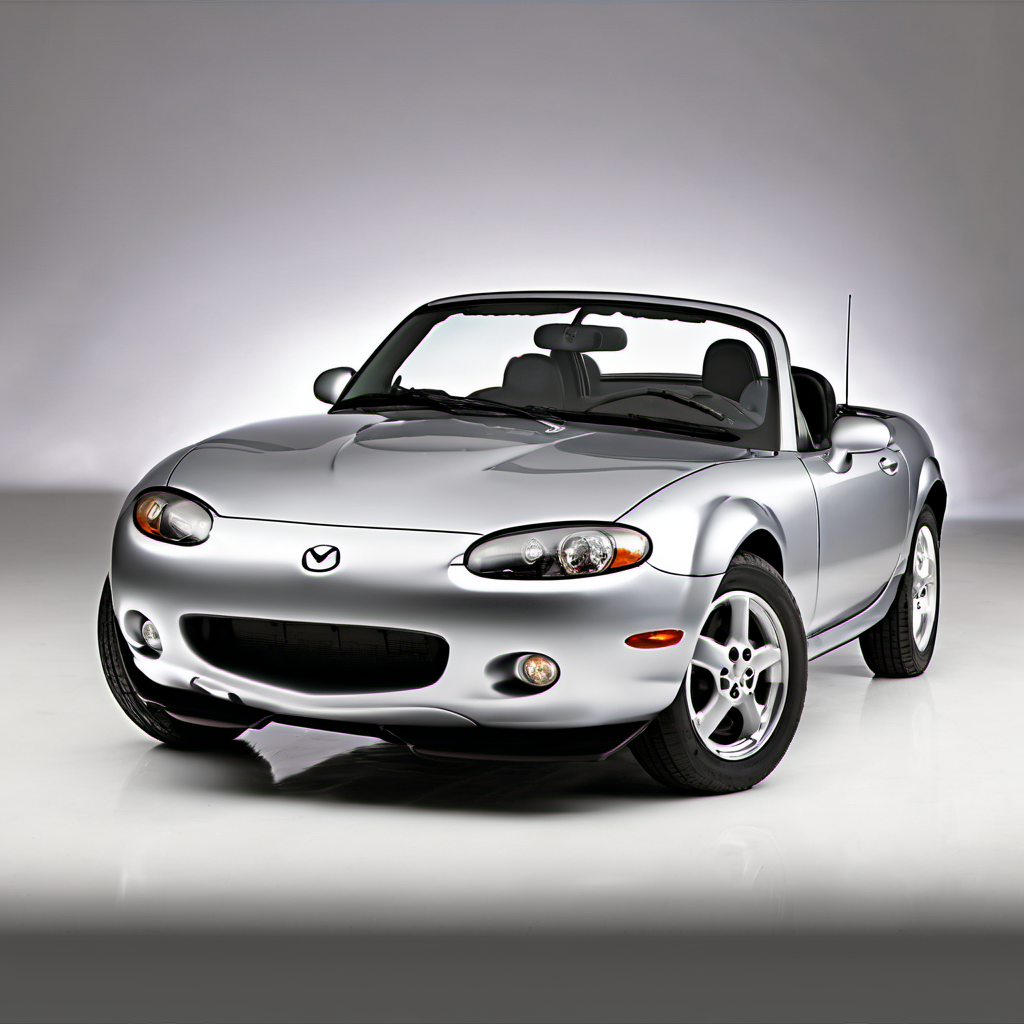
Seasonal care

Lake Geneva, WI
Winter
  • Do not daily-drive this car on unplowed or salted Wisconsin roads. The summer-only tires, low ground clearance (4.5 in), and RWD chassis are a dangerous combination in snow or ice.
  • Store the car properly if possible — use a breathable car cover indoors and keep it off the street where road salt can attack the undercarriage and brake lines.
  • If you must drive it in cold weather, warm the engine gently before revving. The F22C1 needs oil to fully circulate before high-RPM use; cold VTEC engagement on a stiff engine causes accelerated wear.
  • Test the battery every fall. Cold Wisconsin temperatures (often sub-zero) are hard on aging batteries; replace any battery over 4 years old before winter.
  • Inspect the soft top seals each fall. A leaking top in freezing temperatures lets moisture into the cabin and can cause mold, electrical issues, and freeze damage to the top mechanism.
  • Keep the windshield washer reservoir filled with a rated -30°F or lower fluid. The small open cabin gives you almost no visibility protection if the windshield ices up.
Summer
  • Check tire pressure monthly — warm temperatures cause pressure to rise. The S2000's handling balance is sensitive to incorrect pressure, and overinflated tires reduce the contact patch on a RWD sports car.
  • Inspect and recharge the A/C system if cooling is weak. The system is small and loses refrigerant over time; a warm Wisconsin summer with no top and no A/C is miserable.
  • Inspect the soft top for UV cracking and treat it with an appropriate protectant. Sun damage accelerates in summer and causes seams and seals to fail.
  • Check coolant level and condition before long summer drives. Heat soak in stop-and-go traffic can stress an aging cooling system.

Comparable vehicles

If you're shopping for one

Red flags
  • No oil change records or receipts — walk away from a high-revving Honda with no paper trail.
  • Aftermarket engine internals, forced induction (turbo/supercharger), or aggressive cam timing with no supporting documentation.
  • Water stains or mold smell inside the cabin — a soft top that has been leaking long-term causes expensive electrical and structural damage.
  • Mismatched paint panels or overspray in the engine bay — suggests undisclosed accident history.
  • Clunking from the rear end under throttle or when turning — differential damage is expensive to repair.
  • Fresh oil with very dirty, sludgy residue visible when you pull the dipstick — a recent change may be hiding neglect.
What to inspect
  • Full engine oil change history — this is the most important document you can get for an S2000. Look for records every 5,000 miles or less.
  • Check for valve train tick or rattling at cold start, which indicates oil starvation damage — a potential engine rebuild.
  • Soft top condition: look for tears, cracking at the seams, and water stains inside the cabin (especially on the seat backs and carpet behind the seats).
  • Undercarriage inspection for rust on frame rails, subframe, and brake lines — critical for any Wisconsin-area car.
  • Ask specifically if the car has been on a track. Inspect wheel/tire wear patterns, brake rotor condition, and check for aftermarket suspension modifications that may hide crash history.
  • Test the convertible top mechanism through a full open/close cycle and listen for motor strain or binding.
  • Inspect the differential for leaks and check for clunking under acceleration/deceleration that could indicate worn diff internals.
  • Check for any ECU reflashes or modified engine management — these can mask mechanical problems and void any remaining warranties.
AI profile generated 4 days ago · claude-sonnet-4-6 · v2.