Timing Belt Failure / Neglected Replacement
high- Typically appears
- 60–105k mi (and every 60k thereafter)
- Estimated repair
- $400 – $650
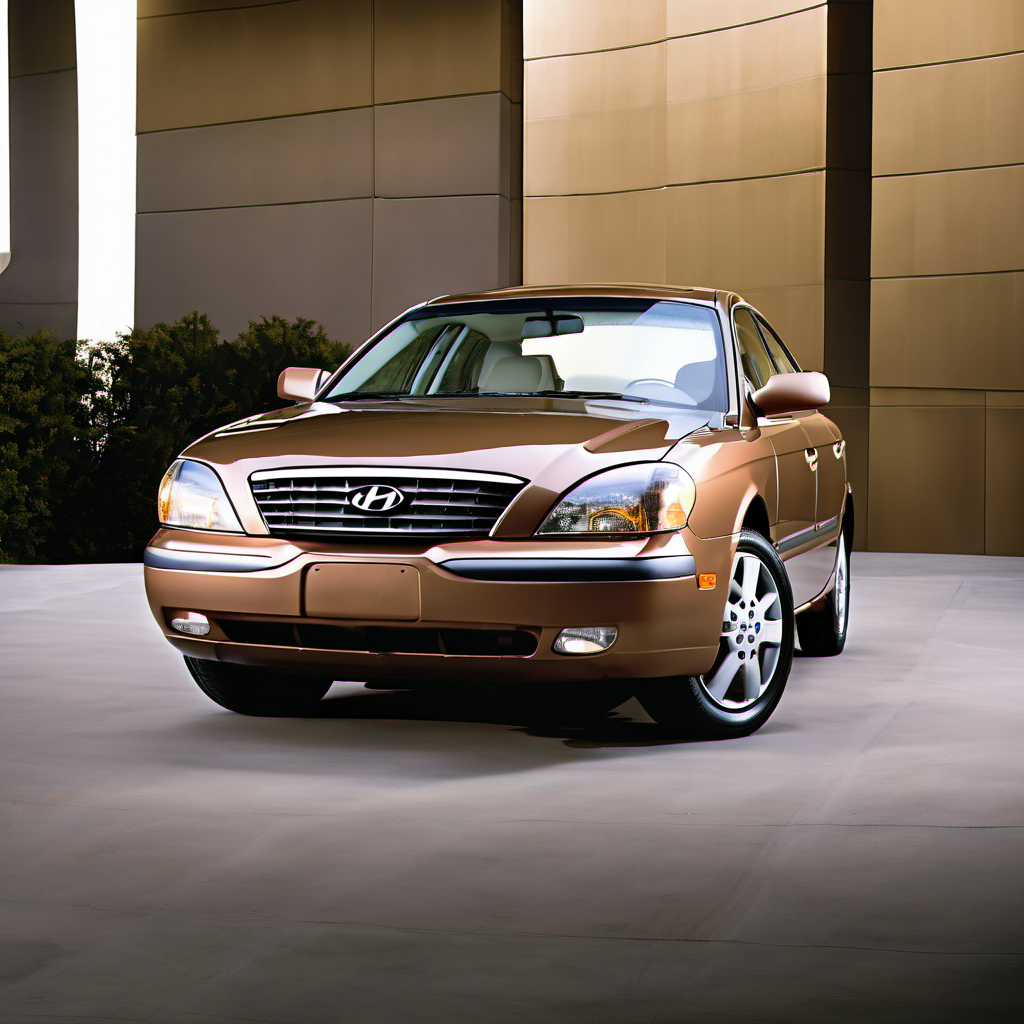
2005 Hyundai
Sedan
The 2005 Hyundai Sonata is a front-wheel-drive midsize sedan that represented Hyundai's push into mainstream respectability. It offered a comfortable ride, a roomy interior for its class, and a competitive price point — all hallmarks that helped Hyundai build its American market foothold. The base 2.4L four-cylinder is smooth and adequate for daily commuting, and the optional 2.7L V6 added a noticeable bump in highway confidence. By 2005 Hyundai had sorted out most of the early reliability gremlins that plagued its 1990s lineup, and the NF-generation Sonata (which this car previewed) was on the horizon. That said, this is now a 20-year-old vehicle, and age-related wear — rubber seals, suspension bushings, cooling system components — is the primary concern, not design flaws. For a used buyer in the Lake Geneva area, the biggest watchdogs are underbody rust from Wisconsin road salt and the condition of the timing belt (this engine is interference-type, meaning a snapped belt can destroy the engine). A well-maintained example at reasonable mileage is still a usable, economical daily driver, but deferred maintenance on a car this age can get expensive fast.
The 2005 Hyundai Sonata is a front-wheel-drive midsize sedan that represented Hyundai's push into mainstream respectability. It offered a comfortable ride, a roomy interior for its class, and a competitive price point — all hallmarks that helped Hyundai build its American market foothold. The base 2.4L four-cylinder is smooth and adequate for daily commuting, and the optional 2.7L V6 added a noticeable bump in highway confidence. By 2005 Hyundai had sorted out most of the early reliability gremlins that plagued its 1990s lineup, and the NF-generation Sonata (which this car previewed) was on the horizon. That said, this is now a 20-year-old vehicle, and age-related wear — rubber seals, suspension bushings, cooling system components — is the primary concern, not design flaws. For a used buyer in the Lake Geneva area, the biggest watchdogs are underbody rust from Wisconsin road salt and the condition of the timing belt (this engine is interference-type, meaning a snapped belt can destroy the engine). A well-maintained example at reasonable mileage is still a usable, economical daily driver, but deferred maintenance on a car this age can get expensive fast.
This is the single most important service item on the 2.4L. It's an interference engine, so belt failure means engine damage. Replace the water pump at the same time since it's driven by the belt — labor is already paid for.
Older engines with age-related seal wear benefit from more frequent oil changes. This engine is known to develop sludge when oil changes are stretched beyond interval — use a quality conventional or full-synthetic 5W-20 or 5W-30 per the owner's manual.
The 4-speed automatic's lifespan is directly tied to fluid condition. If you don't have records, service it now. Dark or burnt-smelling fluid means it's overdue.
At this age, all rubber coolant hoses should be physically squeezed and inspected for cracking. Flush and replace the coolant to maintain proper freeze protection (especially important below Lake Geneva's winter lows) and corrosion inhibitor levels.
Brake fluid absorbs moisture over time, lowering its boiling point. On a 20-year-old vehicle, fresh fluid also helps prevent internal corrosion in the ABS module and calipers.
Worn plugs cause rough idle, harder cold starts, and slightly reduced fuel economy — all of which are more noticeable in Wisconsin winter. If the current plugs are unknown, replace them.
Road salt accumulates on brake lines, subframe, and rocker panels all winter. A thorough undercarriage wash each spring — and a visual inspection of brake lines and subframe — can catch rust before it becomes structural or a safety issue.
Batteries on vehicles this age can fail abruptly in cold weather. A load test (not just a voltage test) at our shop each October tells you if the battery will survive a Wisconsin winter before you're stranded.
Always defer to the manufacturer's service manual for warranty-mandated intervals.
Day-to-day ownership costs are modest if the car is already in good shape. The wildcard is deferred maintenance catch-up on a 20-year-old vehicle — timing belt, transmission service, and cooling system work can add $1,000–$2,000 upfront on an unknown-history car. Once sorted, routine annual costs are low. Rust remediation is the budget X-factor unique to Wisconsin-driven examples.
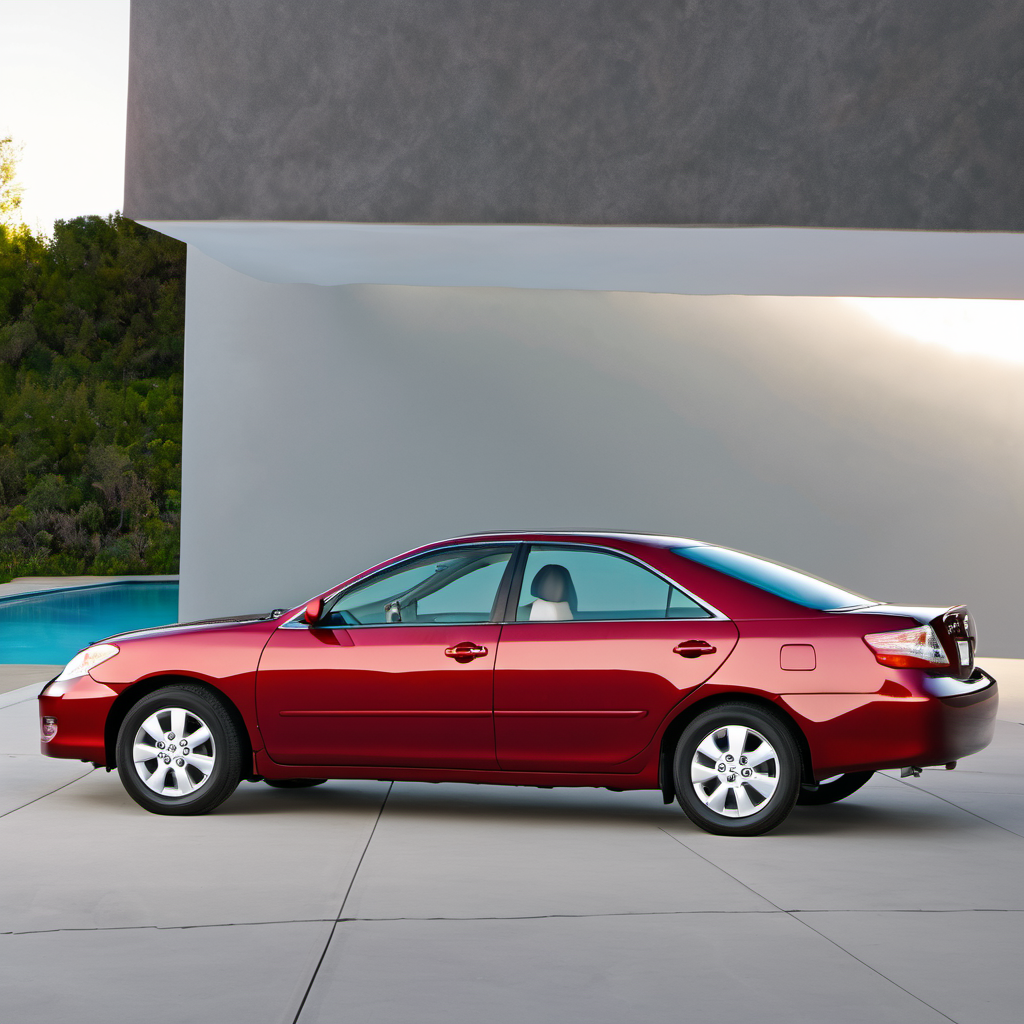
The benchmark midsize sedan of the era. More expensive used, but a stronger long-term reliability track record and better rust resistance on Wisconsin examples.
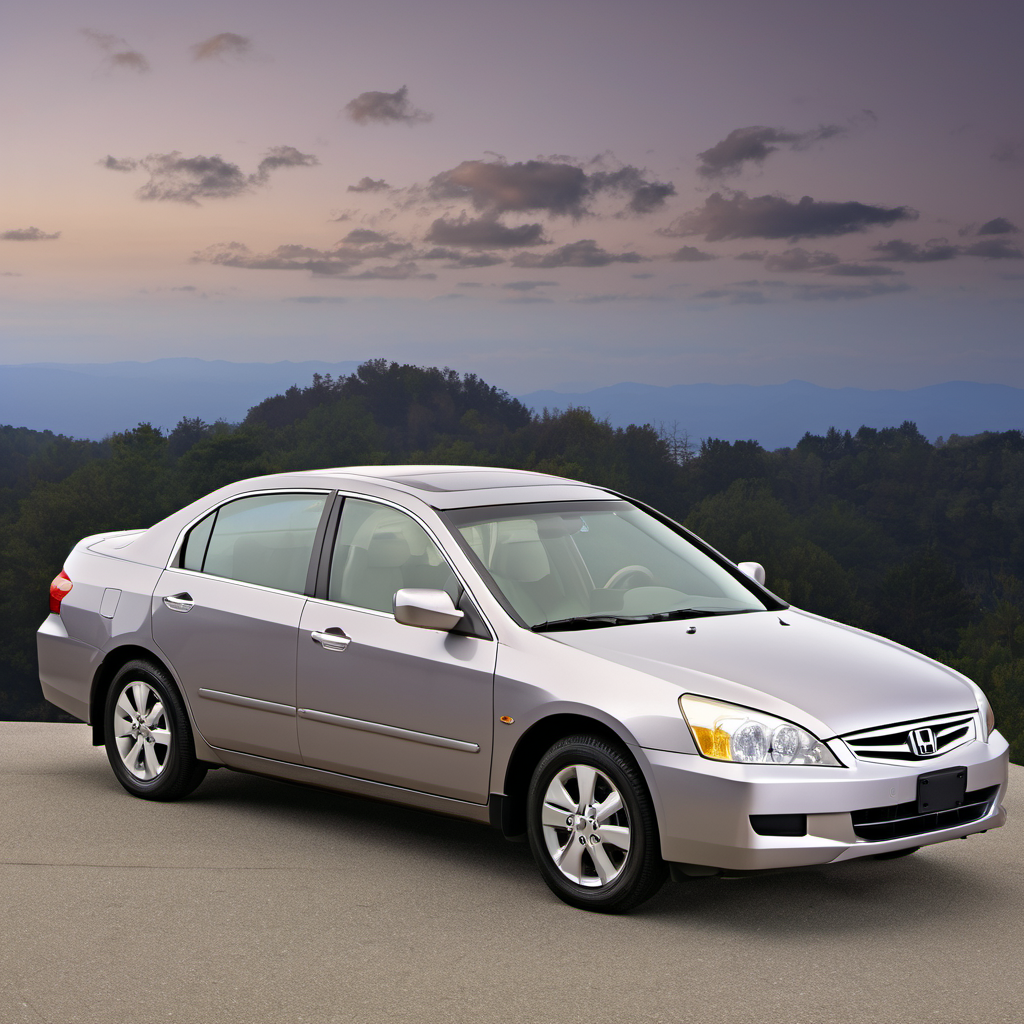
Same segment, similar pricing, and the 2.4L four-cylinder Accord is widely regarded as one of the most durable engines of the decade. A direct alternative for a used buyer.
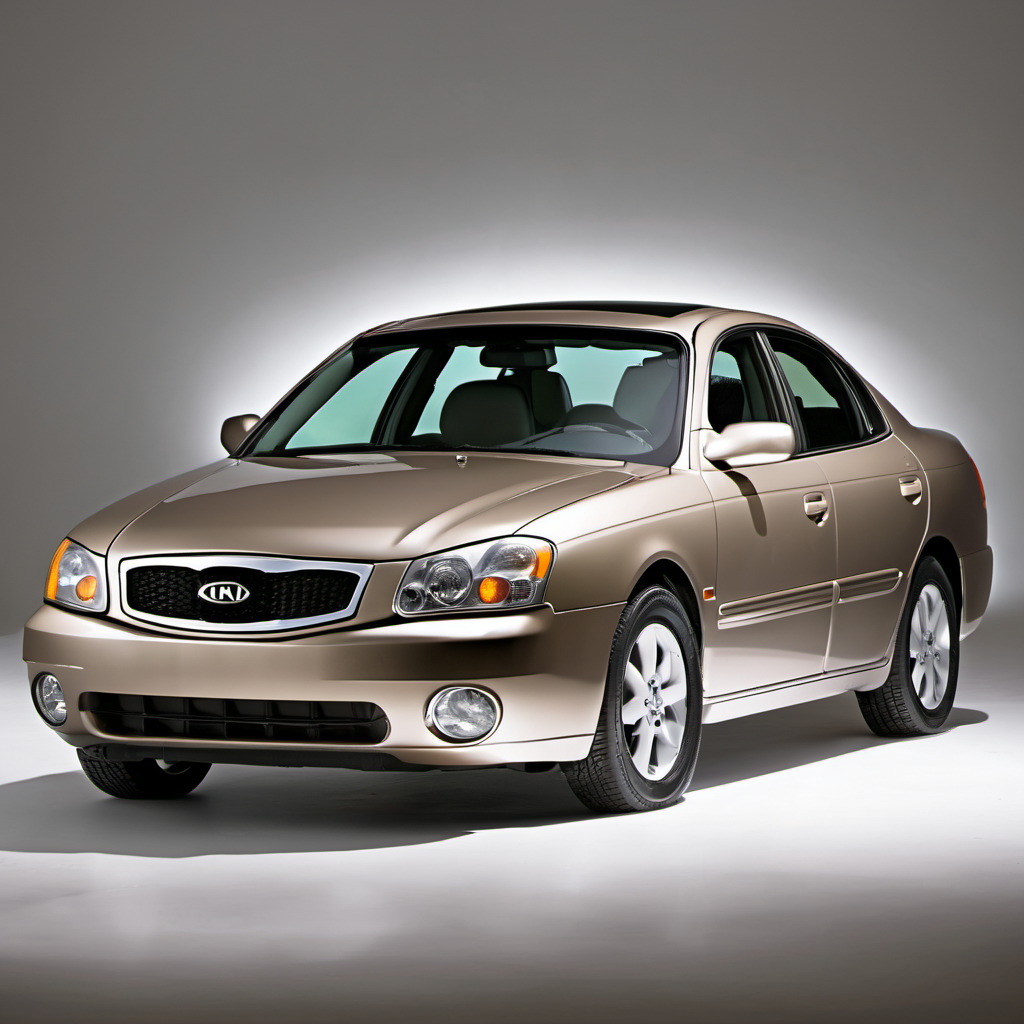
Shares its platform and many mechanical components with the Sonata. Often cheaper to buy used, with similar ownership costs and the same maintenance considerations.
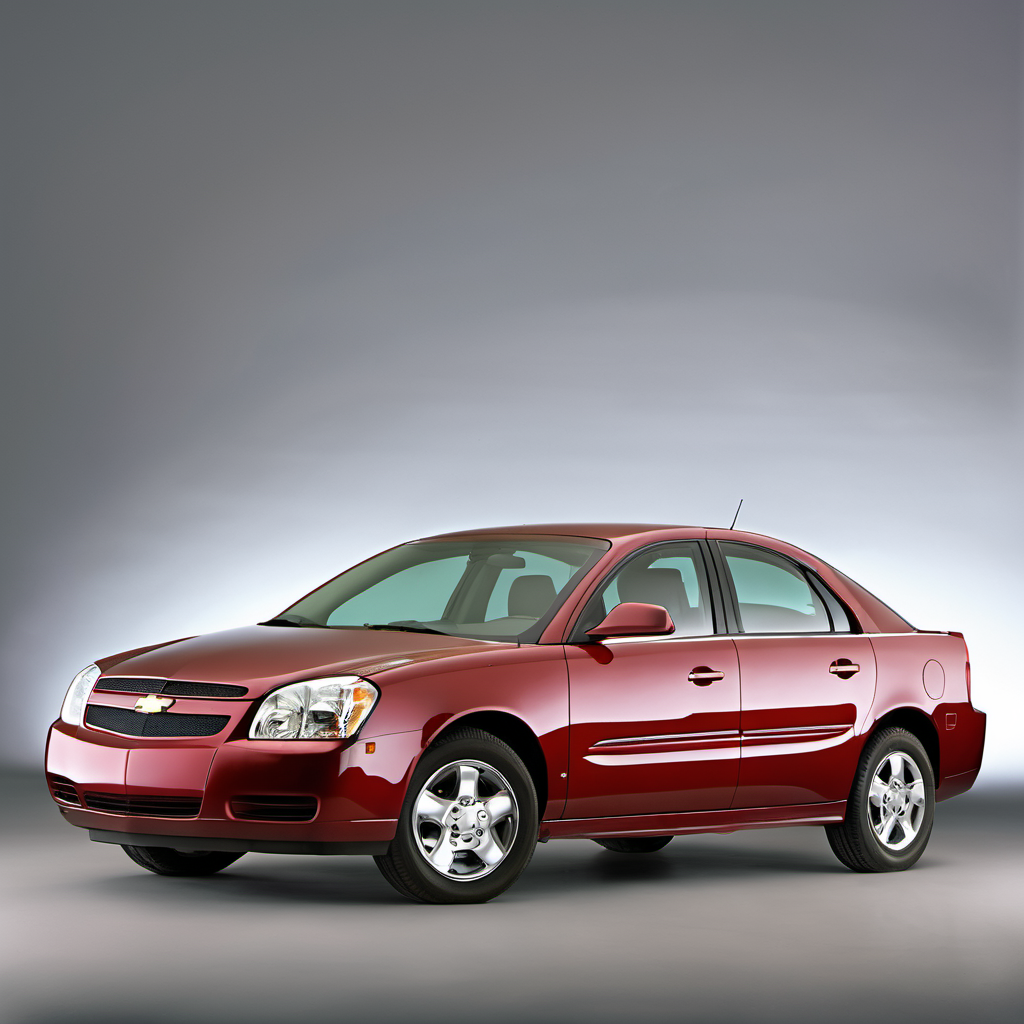
Domestic alternative in the same price bracket and segment. Parts are widely available locally, but the 2004–2007 Malibu has its own reliability concerns around the 3.5L V6 and electrical systems.