VVT-i Oil Sludge / Camshaft Timing Faults
medium- Typically appears
- 80–150k mi
- Estimated repair
- $800 – $2,500
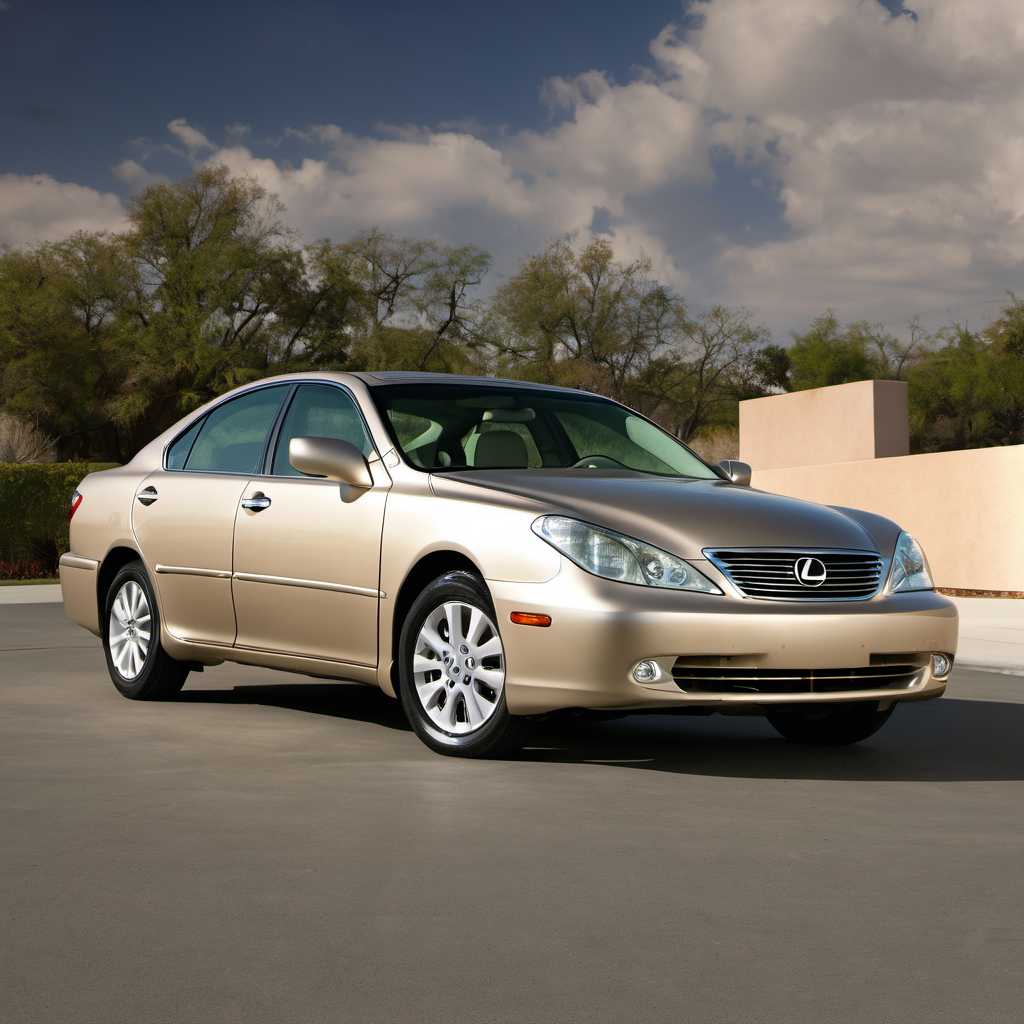
2005 Lexus
Sedan
The 2005 Lexus ES 330 is the fourth-generation ES (XV30 platform), sharing its bones with the Toyota Camry but wrapped in a quieter, more refined package. It slots in as Lexus's entry-level luxury sedan and was a volume leader for the brand, known for its cushy ride, whisper-quiet cabin, and bulletproof reliability record. For a 20-year-old luxury car, it remains one of the better used-market bets in the segment. Powered by a 3.3L 3MZ-FE V6 producing 225 hp and mated to a smooth 5-speed automatic, the ES 330 leans heavily toward comfort over sport. Steering is light, the suspension absorbs bumps well, and the leather-lined interior holds up surprisingly well over time. This is a car built for effortless daily driving and long highway miles. At this age, examples are well into six-figure mileage territory. The good news: the mechanicals are shared with Toyota, so parts are plentiful and independent shops can service them without exotic tooling. The bad news: neglected oil changes on this generation's VVT-i system cause real damage — always ask for service records.
The 2005 Lexus ES 330 is the fourth-generation ES (XV30 platform), sharing its bones with the Toyota Camry but wrapped in a quieter, more refined package. It slots in as Lexus's entry-level luxury sedan and was a volume leader for the brand, known for its cushy ride, whisper-quiet cabin, and bulletproof reliability record. For a 20-year-old luxury car, it remains one of the better used-market bets in the segment. Powered by a 3.3L 3MZ-FE V6 producing 225 hp and mated to a smooth 5-speed automatic, the ES 330 leans heavily toward comfort over sport. Steering is light, the suspension absorbs bumps well, and the leather-lined interior holds up surprisingly well over time. This is a car built for effortless daily driving and long highway miles. At this age, examples are well into six-figure mileage territory. The good news: the mechanicals are shared with Toyota, so parts are plentiful and independent shops can service them without exotic tooling. The bad news: neglected oil changes on this generation's VVT-i system cause real damage — always ask for service records.
The 3MZ-FE's VVT-i system is highly sensitive to oil cleanliness. Sludge from extended intervals is the #1 cause of expensive camshaft and timing damage on this engine. Use a 5W-30 that meets Toyota's specifications.
Toyota specifies 'lifetime' fluid, but that assumes new-car ownership. On a used vehicle, flush or drain-and-fill to protect the 5-speed automatic. Dark or burnt-smelling fluid means it's overdue.
Toyota Super Long Life Coolant loses its corrosion inhibitors over time. Old coolant accelerates water pump and radiator wear — both expensive replacements on this car.
The 3MZ-FE uses iridium plugs with a 60k service life. Worn plugs cause rough idle, poor fuel economy, and misfires. Not difficult to replace but requires some patience due to rear bank access.
Check reservoir level and inspect the high-pressure hose for seepage. Catching a slow leak early is a $200 fix; running it low and damaging the pump makes it a $700+ job.
Brake fluid is hygroscopic — it absorbs moisture over time, lowering its boiling point. Wisconsin winters accelerate brake component corrosion when moisture is already in the system.
Often skipped on high-mileage used cars. A clogged cabin filter reduces HVAC airflow and strains the blower motor — critical for defrosting in Wisconsin winters.
Wisconsin road salt attacks brake lines, fuel lines, and suspension hardware. An annual undercarriage wash and inspection catches rust before it becomes a safety issue. Brake line replacement on a rusted car can run $500–$1,200.
Always defer to the manufacturer's service manual for warranty-mandated intervals.
The ES 330 is one of the cheaper luxury sedans to own in its class. Parts are shared with the Toyota Camry, so labor and parts costs at an independent shop are well below what you'd pay for a German equivalent. A well-maintained example should need only routine service in normal years, with the occasional suspension refresh as mileage climbs. Budget on the higher end if the vehicle has no documented service history.
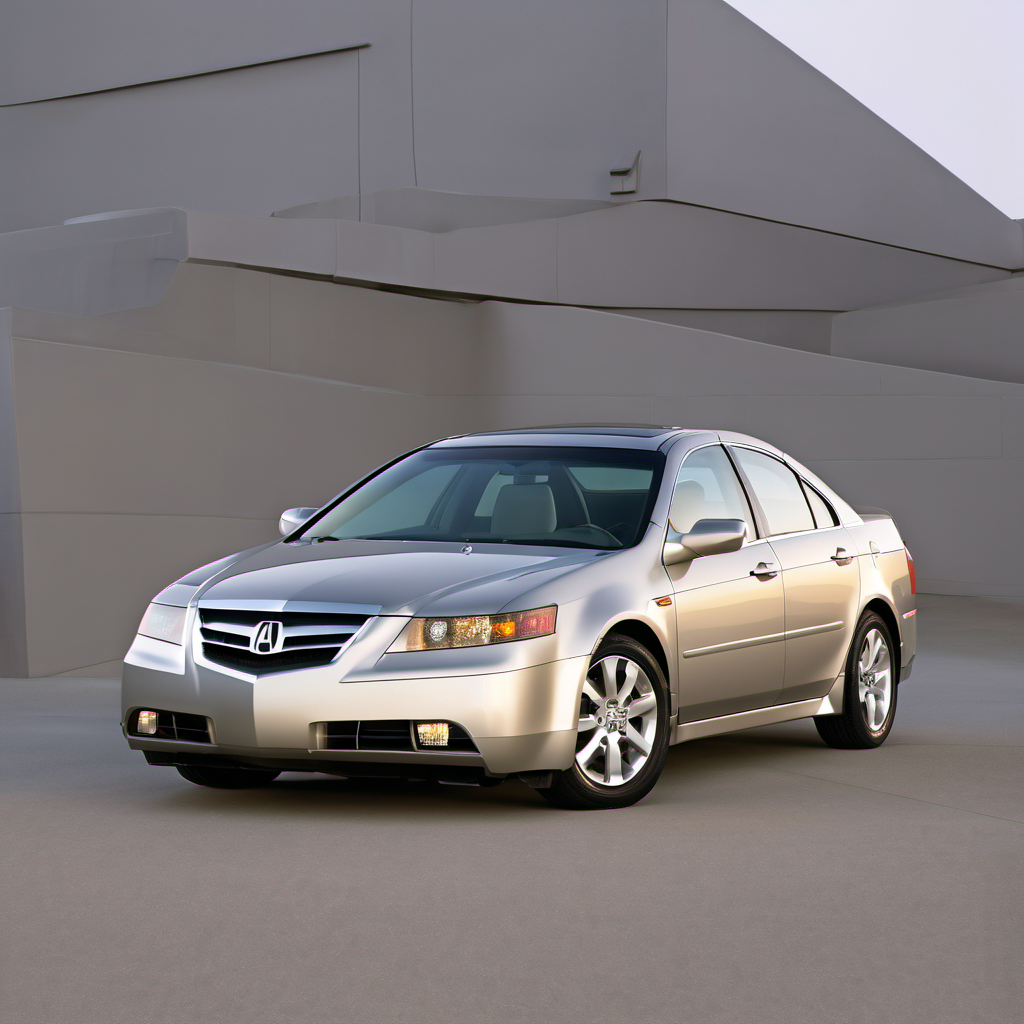
Same segment, similar FWD luxury sedan mission, 3.2L V6, slightly sportier feel. Parts and service are comparably affordable at an independent shop.
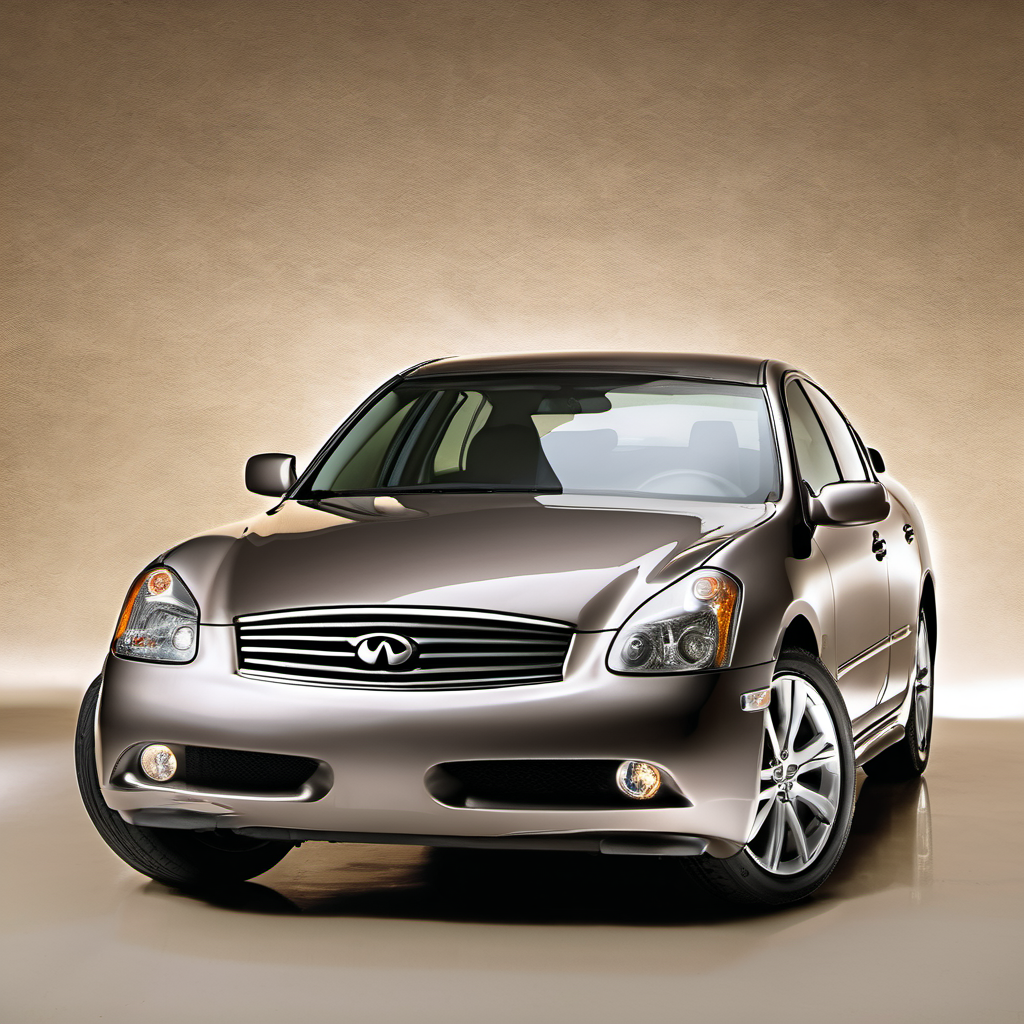
Near-luxury sedan with similar used-market pricing. RWD layout and a more sport-oriented character — better driver's car but more tire and brake wear in Wisconsin winters.
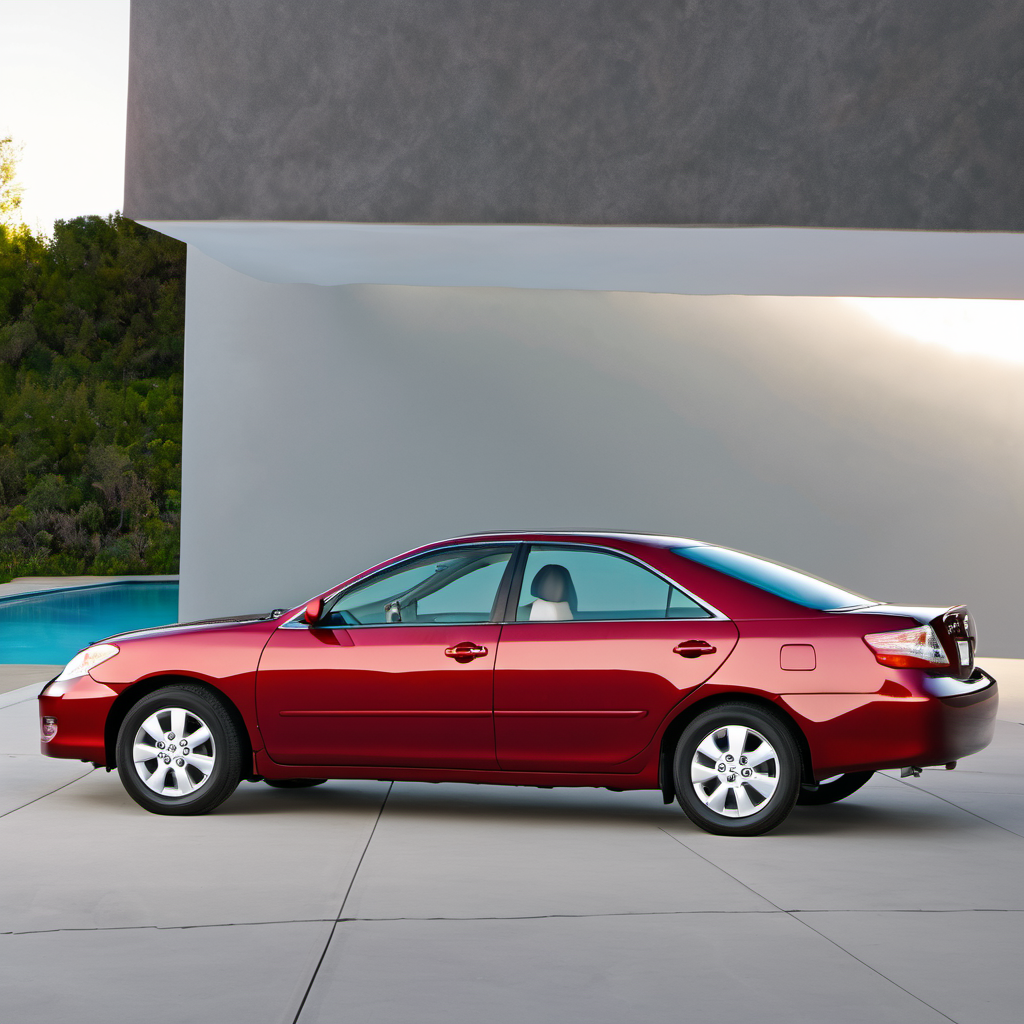
Shares the platform and 3MZ-FE V6 with the ES 330 at a lower price point. Less refined interior but mechanically identical — parts are fully interchangeable for many components.
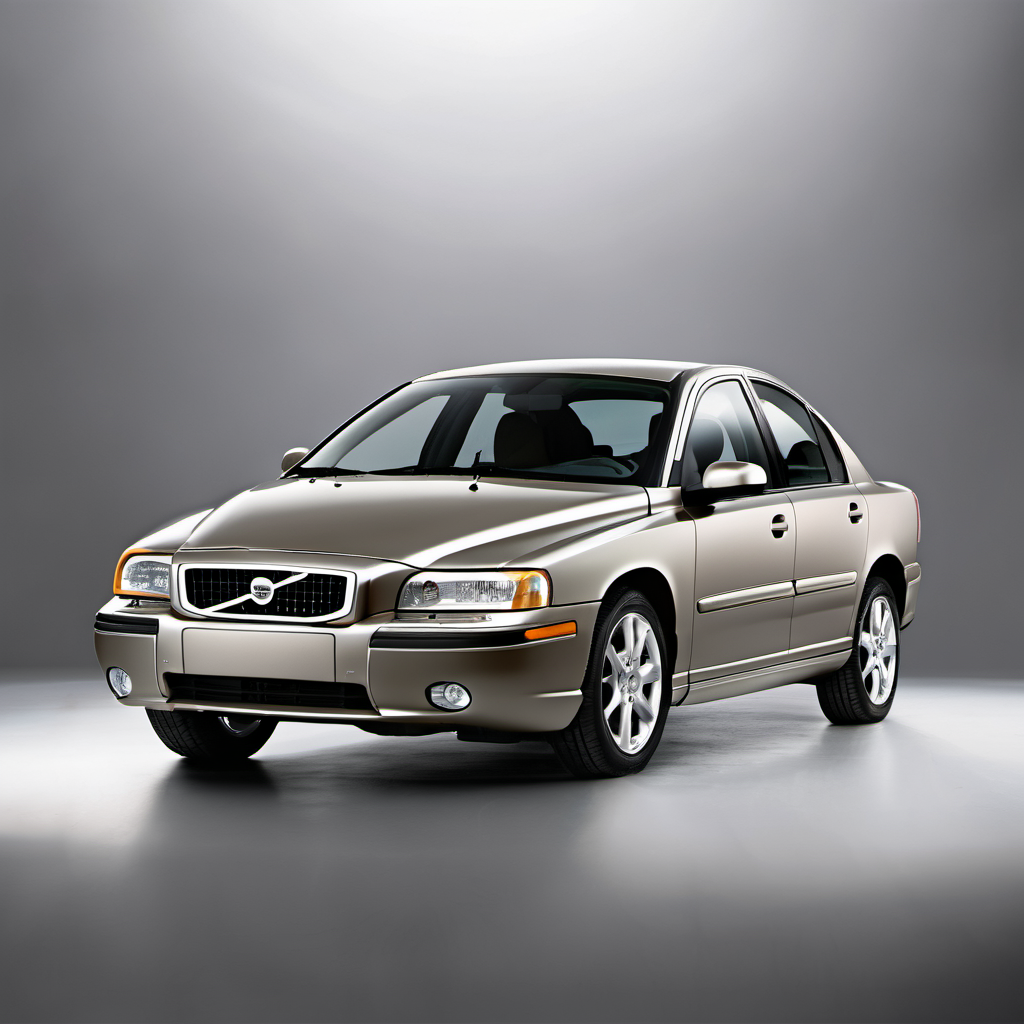
European alternative at a similar used price. More distinctive styling and AWD available, but parts and independent-shop labor costs are significantly higher than the Lexus.