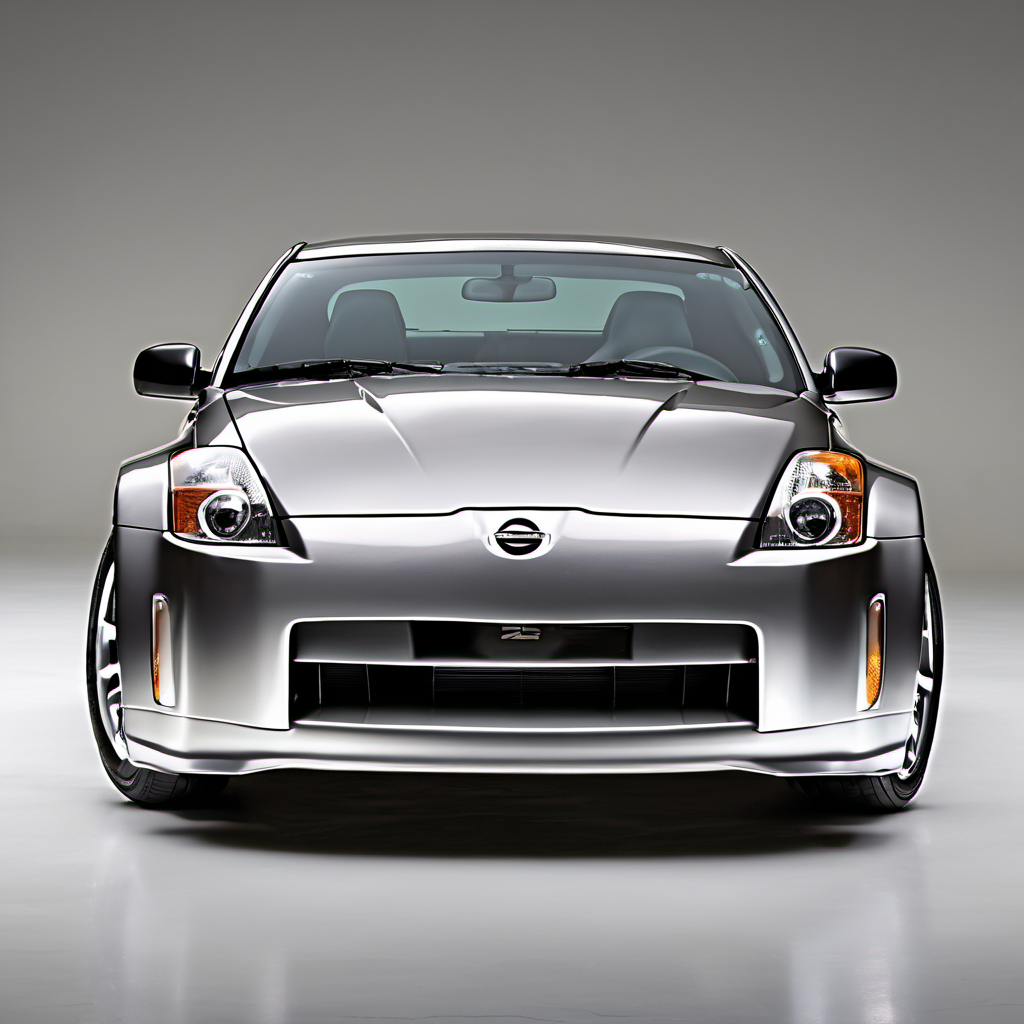
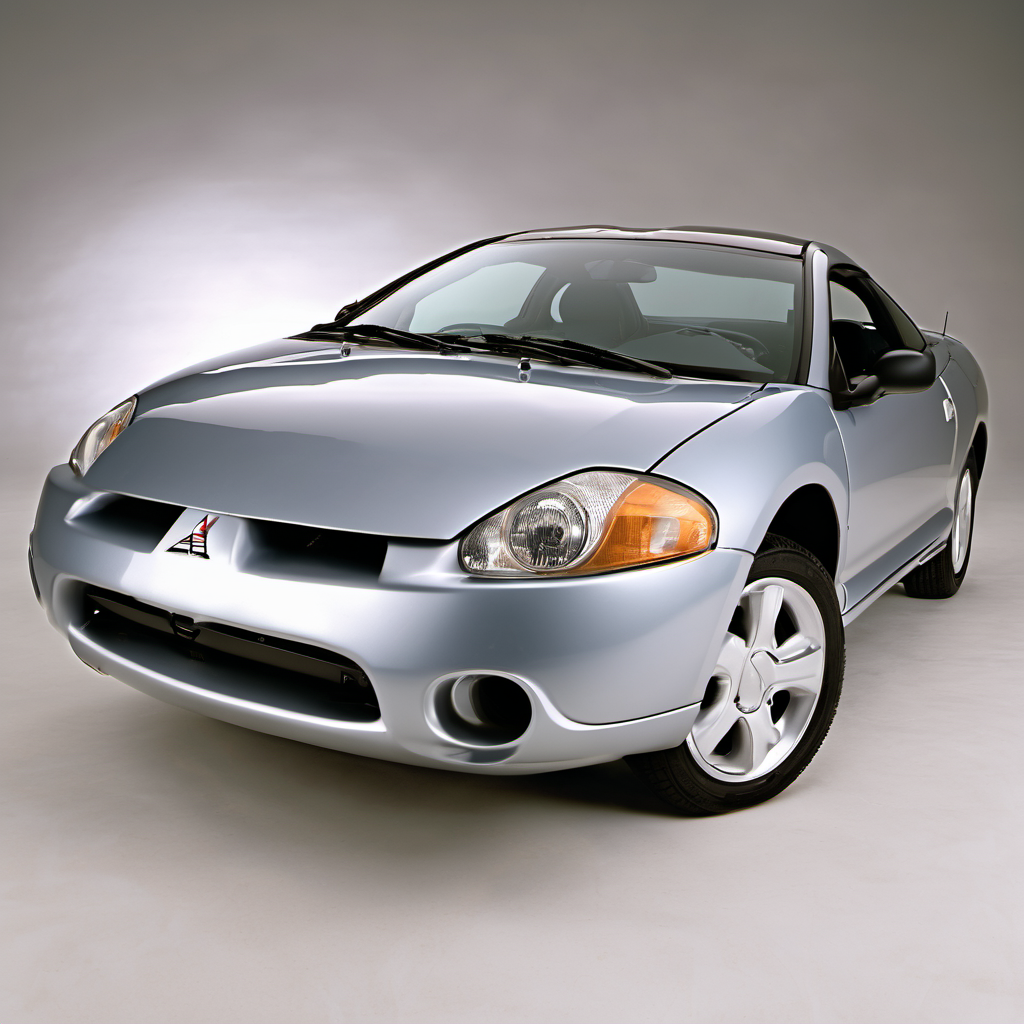
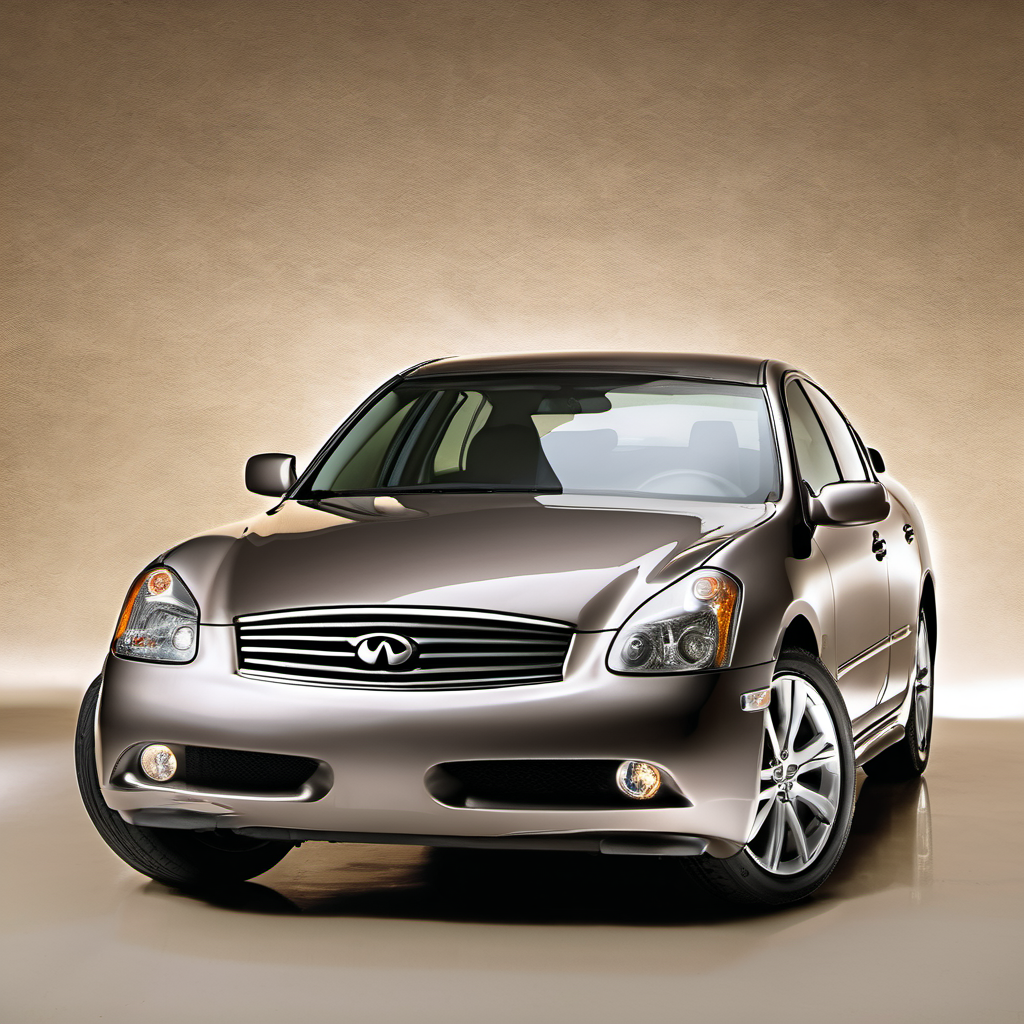
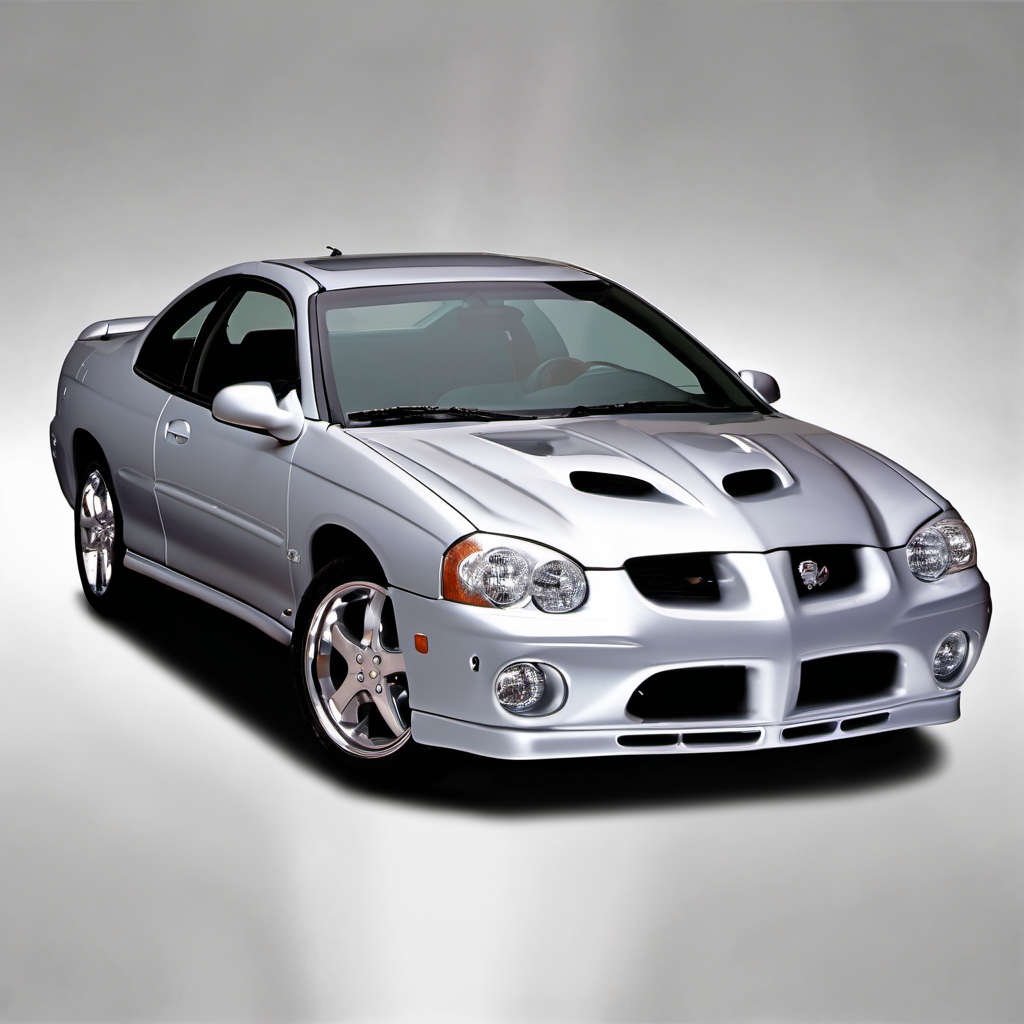
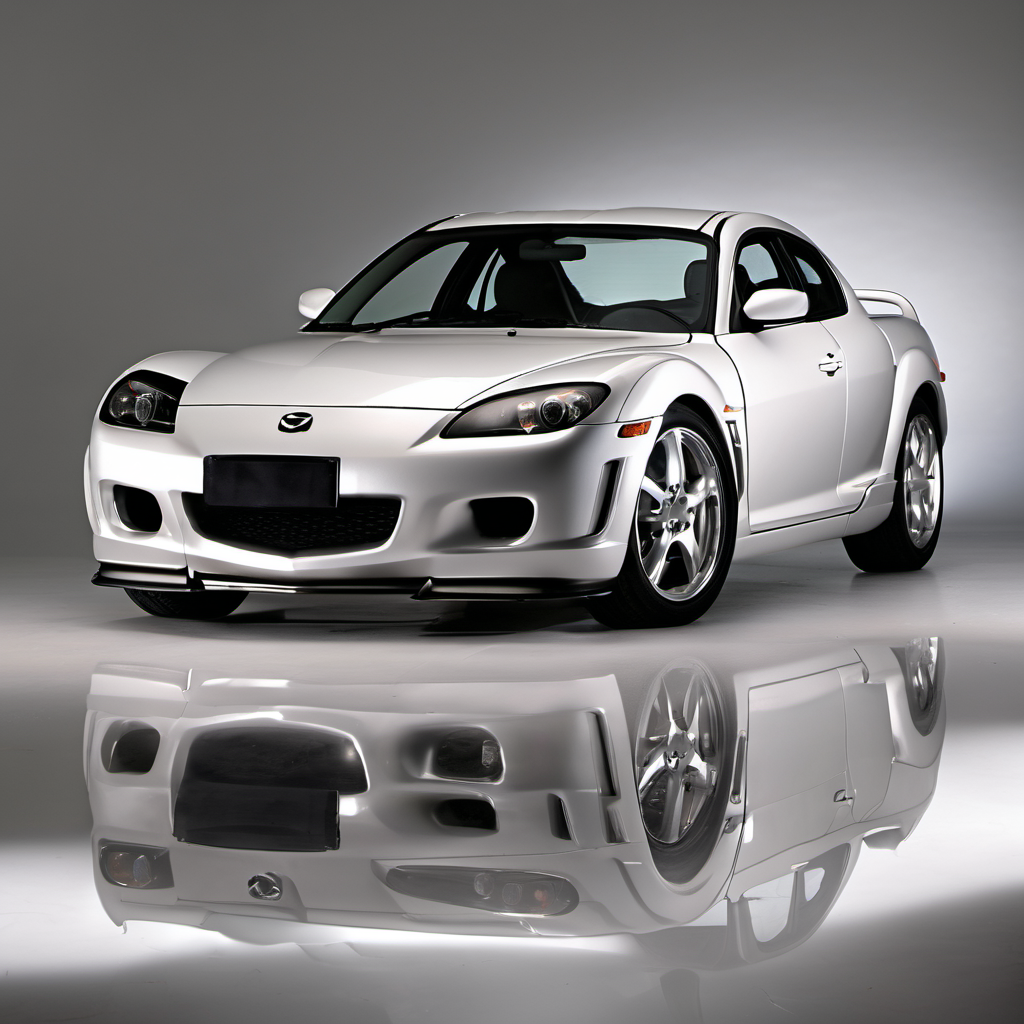
2005 Nissan 350Z Coupe

2005 Nissan

350ZCoupe

Coupe

The 2005 Nissan 350Z is a two-seat rear-wheel-drive sports coupe built on Nissan's FM platform, sharing its bones with the Infiniti G35. Powered by the naturally aspirated 3.5L VQ35DE V6 — one of Ward's 10 Best Engines for multiple years running — it delivers a raw, analog driving experience that's increasingly rare at its price point. Revised slightly from the launch years, the 2005 model benefits from minor suspension tuning and retained the well-sorted 6-speed manual as the enthusiast-preferred transmission. The Z is purpose-built for driving enjoyment: low seating position, near 50/50 weight distribution, and a willing high-revving engine make it genuinely fun on a twisty road. That same focus means it's a two-seater with a tiny hatch area for cargo, firm ride quality, and limited outward visibility — all trade-offs the target buyer accepts willingly. For a used buyer in the Lake Geneva area, be aware this car attracts enthusiast owners who may have pushed it hard on track days or modified it extensively. It's also a low-slung RWD coupe in Wisconsin winter country — most owners put it away from November through April, so low winter mileage is common and expected.

Reliability
4/5
Verified data
Specs shown for 350z — the most common configuration. Other trims may vary in engine, drivetrain, or fuel economy. Sign in to see your vehicle's exact specs.
Engine
[object Object]
Drivetrain
RWD
Fuel
Premium gasoline
MPG
17 city / 24 hwy / 20 combined
Seats
Doors
Body
Two Seaters

Overview

AI-curated

The 2005 Nissan 350Z is a two-seat rear-wheel-drive sports coupe built on Nissan's FM platform, sharing its bones with the Infiniti G35. Powered by the naturally aspirated 3.5L VQ35DE V6 — one of Ward's 10 Best Engines for multiple years running — it delivers a raw, analog driving experience that's increasingly rare at its price point. Revised slightly from the launch years, the 2005 model benefits from minor suspension tuning and retained the well-sorted 6-speed manual as the enthusiast-preferred transmission. The Z is purpose-built for driving enjoyment: low seating position, near 50/50 weight distribution, and a willing high-revving engine make it genuinely fun on a twisty road. That same focus means it's a two-seater with a tiny hatch area for cargo, firm ride quality, and limited outward visibility — all trade-offs the target buyer accepts willingly. For a used buyer in the Lake Geneva area, be aware this car attracts enthusiast owners who may have pushed it hard on track days or modified it extensively. It's also a low-slung RWD coupe in Wisconsin winter country — most owners put it away from November through April, so low winter mileage is common and expected.

Known for
  • Strong, revvy 3.5L VQ35DE V6 with excellent power delivery
  • Balanced rear-wheel-drive chassis and communicative steering
  • Distinctive fastback coupe styling that has aged well
  • Affordable entry point into true sports-car ownership
  • Active enthusiast community with widespread parts availability
Best for
  • Driving enthusiasts who prioritize engagement over practicality
  • Weekend and seasonal drivers in Wisconsin
  • Buyers wanting a sporty second car alongside a daily driver
  • Those interested in light track or autocross use
Watch for
  • Rear-wheel drive is a liability on unplowed Wisconsin roads without winter tires
  • High chance of prior enthusiast modifications — inspect everything
  • Oil consumption on high-mileage VQ35DE engines
  • Rust in wheel wells, rocker panels, and undercarriage from road salt exposure
  • Two-seat layout with minimal cargo space — not a practical daily driver

Common issues by mileage

6 known

Oil consumption and VQ35DE engine wear

medium
Typically appears
80–150k mi
Estimated repair
$500 – $3,500

Oxygen/A/F sensor heater circuit failure

medium
Typically appears
70–130k mi
Estimated repair
$150 – $500

Differential fluid breakdown / rear diff clunk

medium
Typically appears
50–100k mi
Estimated repair
$100 – $400

Rust on rockers, wheel wells, and subframe from road salt

high
Typically appears
Any mileage on a Wisconsin/Midwest car
Estimated repair
$300 – $3,000

Worn suspension bushings and ball joints (especially on driven examples)

medium
Typically appears
70–120k mi
Estimated repair
$400 – $1,400

Maintenance schedule

  1. 1
    Every 5,000 miles — do not stretch to 7,500+ on this engine Engine oil change with full-synthetic 5W-30

    The VQ35DE is sensitive to oil quality and interval length. Sludge from extended changes clogs the VTC solenoids and oil passages, leading to expensive camshaft timing faults and accelerated wear.

  2. 2
    Every 60,000 miles or 5 years Coolant flush and thermostat inspection

    Aluminum-heavy engines corrode coolant faster than expected. A failing thermostat or degraded coolant is a common cause of overheating on aged VQ engines.

  3. 3
    Every 105,000 miles per factory schedule, but inspect at 60k on used cars Spark plug replacement (iridium OEM-spec)

    Fouled or incorrectly gapped plugs cause misfires that are easy to mistake for bigger engine problems. On a used 350Z, spark plug condition is a quick health indicator.

  4. 4
    Every 30,000 miles, or whenever clunking under load is noted Differential fluid change (rear)

    The open rear differential is often neglected. Fresh fluid reduces clunk and protects the ring and pinion, especially on cars used for spirited driving.

  5. 5
    Every 30,000–45,000 miles Manual transmission fluid change

    Factory fill degrades and the 6-speed can develop notchy shifts, especially into 2nd and 3rd. Fresh fluid makes a noticeable difference.

  6. 6
    Every 2 years Brake fluid flush

    DOT 3/4 fluid absorbs moisture over time, lowering boiling point. On a performance car that sees any hard use or track time, degraded fluid is a real safety risk.

  7. 7
    Every spring after winter storage Undercarriage and rocker panel rust inspection

    Wisconsin road salt attacks the 350Z's exposed rocker seams and subframe. Catching surface rust early is far cheaper than structural repair later.

  8. 8
    Every season change and after any pothole impact Tire pressure and alignment check

    The 350Z's short wheelbase and RWD make it sensitive to alignment changes. Worn or improperly inflated tires significantly affect both handling and safety.

Always defer to the manufacturer's service manual for warranty-mandated intervals.

Cost of ownership

Annual maintenance
$700 – $1,800
Fuel
Premium (91+ octane) required. At 20 MPG combined and ~12,000 miles/year, expect $1,800–$2,400/year depending on fuel prices.
Insurance
Expect higher-than-average premiums for a sports coupe — typically $1,200–$2,000/year for a full-coverage policy in Wisconsin, depending on driver age and history.

The 350Z is relatively affordable to own when it's healthy — parts are widely available and the VQ engine doesn't require exotic service. The wild card is deferred maintenance or modifications by previous owners. Budget for a pre-purchase inspection and set aside $1,000–$2,000 for catch-up maintenance on any used example. Premium fuel is non-negotiable and adds meaningful cost versus regular-grade vehicles. Wisconsin winter storage (or a dedicated winter tire/wheel setup) is a smart investment to protect this car and your safety.
Seasonal care

Lake Geneva, WI
Winter
  • Store the vehicle if possible — this low-clearance RWD coupe is poorly suited to Wisconsin snow and salt. Road salt will aggressively attack the rocker panels and undercarriage.
  • If driving in winter, fit a dedicated set of winter tires on steel wheels. All-season tires are inadequate for sub-freezing RWD driving.
  • Use a battery maintainer (trickle charger) during storage — cold temps drain the battery and the 350Z's electrical system is sensitive to weak battery voltage.
  • Fill the washer fluid reservoir with a -20°F or colder rated fluid before temperatures drop. The reservoir is large but the low nose makes it awkward to access.
  • Change to a lighter-viscosity full-synthetic oil (5W-30) before the cold season to aid cold starts — already the factory spec, so no change needed if you're current.
  • Apply an undercarriage protectant spray before first exposure to salted roads, and rinse the undercarriage thoroughly after any salt exposure.
Summer
  • Check tire pressure monthly — heat causes significant pressure increases, and the 350Z's handling is very sensitive to over-inflation.
  • Inspect the A/C system before summer; the cabin heats quickly given the low roofline and large glass area. A marginal A/C charge becomes a real comfort problem by July.
  • Monitor coolant temperature on hot days, especially in stop-and-go traffic. The VQ35DE runs warm at idle; a degraded cooling system will show its limits in summer.
  • Check brake pad thickness before summer driving season — heat-cycled pads from track or spirited use wear faster than typical.

Comparable vehicles

If you're shopping for one

Red flags
  • Any engine codes related to camshaft timing (P0012, P0015, P0022, P0025) without a documented repair — indicates potential sludge damage.
  • Sludge visible inside the oil filler or on the dipstick.
  • Aftermarket turbo kit, engine swap, or heavily modified suspension without supporting documentation.
  • Rust perforation (not just surface rust) on rockers or subframe — structural repairs are costly and difficult.
  • Clutch that slips, chatters, or engages at the very top of pedal travel.
  • Accident history involving the rear quarters or nose — the 350Z's suspension geometry is precise and hard to realign correctly after a hit.
What to inspect
  • Check for VTC/CVTC solenoid codes (P0012, P0015, P0022, P0025) — these indicate oil sludge buildup and can be expensive if ignored.
  • Pull the oil cap and look for sludge inside the valve cover — a dirty engine interior is a red flag for infrequent oil changes.
  • Inspect the clutch engagement point and listen for grinding into 2nd gear — worn synchros are common on driven examples.
  • Check all four corners of the undercarriage, rocker panels, and rear subframe mounting points for rust perforation.
  • Look for signs of track or autocross use: worn brake rotors, replaced brake lines, harness bar mounting holes in the cabin, scuffed wheels.
  • Test all electronics — power windows, HVAC blower speeds, and gauge cluster — electrical gremlins increase with age.
  • Inspect tires for uneven wear, which signals alignment or suspension bushing issues.
  • Check the rear differential for clunking under acceleration or deceleration.
AI profile generated 6 days ago · claude-sonnet-4-6 · v2.