2006 Mitsubishi Eclipse Coupe

2006 Mitsubishi

EclipseCoupe

Coupe

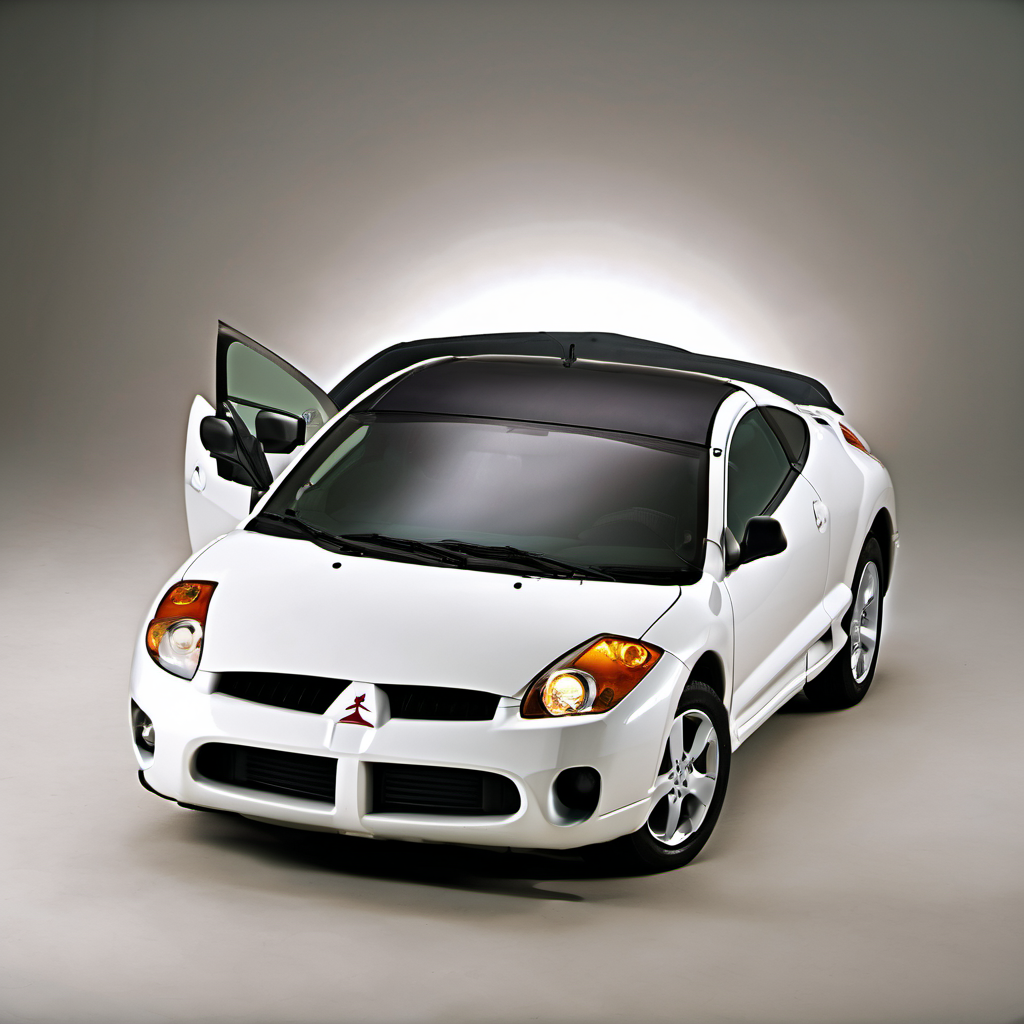
The 2006 Mitsubishi Eclipse is a third-generation redesign that moved the nameplate upmarket, trading the sharp sport-compact image of the 1990s for a heavier, more styled coupe. It comes in four-cylinder and V6 flavors; this example is the base GS trim with the 2.4L four-cylinder. It's a front-wheel-drive coupe aimed at buyers who want sporty looks without the running costs of a true performance car. The 2006 Eclipse sits in a tough spot — it looks the part but doesn't drive with the aggression the styling implies. Handling is competent, the ride is reasonable, and the interior is reasonably well-finished for its price point, but it was never a driver's car in this generation. Many owners bought it purely on styling. Now pushing nearly 20 years old, these cars are affordable to buy but carry real ownership risk. Parts availability is shrinking, the third-party service network is thin compared to domestic competitors, and rust from Wisconsin winters is a legitimate concern on any survivor. Inspect carefully before buying.

Reliability
2/5
Verified data
Specs shown for Eclipse — the most common configuration. Other trims may vary in engine, drivetrain, or fuel economy. Sign in to see your vehicle's exact specs.
Engine
[object Object]
Drivetrain
FWD
Fuel
Gasoline
MPG
20 city / 28 hwy / 23 combined
Seats
Doors
Body
Subcompact Cars

Overview

AI-curated

The 2006 Mitsubishi Eclipse is a third-generation redesign that moved the nameplate upmarket, trading the sharp sport-compact image of the 1990s for a heavier, more styled coupe. It comes in four-cylinder and V6 flavors; this example is the base GS trim with the 2.4L four-cylinder. It's a front-wheel-drive coupe aimed at buyers who want sporty looks without the running costs of a true performance car. The 2006 Eclipse sits in a tough spot — it looks the part but doesn't drive with the aggression the styling implies. Handling is competent, the ride is reasonable, and the interior is reasonably well-finished for its price point, but it was never a driver's car in this generation. Many owners bought it purely on styling. Now pushing nearly 20 years old, these cars are affordable to buy but carry real ownership risk. Parts availability is shrinking, the third-party service network is thin compared to domestic competitors, and rust from Wisconsin winters is a legitimate concern on any survivor. Inspect carefully before buying.

Known for
  • Bold, wide-body styling that drew showroom traffic
  • Smooth 2.4L four-cylinder with adequate everyday power
  • Front-wheel drive with a sport-tuned suspension
  • Interior that aged quickly with cheap plastics
  • Declining Mitsubishi dealer support network
Best for
  • Buyers who want sporty coupe looks on a tight budget
  • City and suburban commuting
  • Drivers who do their own basic maintenance
Watch for
  • Rust on the undercarriage, rocker panels, and wheel arches — severe in Wisconsin
  • Aging automatic transmissions with shift-quality complaints
  • Shrinking parts availability as Mitsubishi's U.S. presence contracts
  • Previous owner modifications common on this model — verify carefully
  • Higher-than-expected insurance costs relative to the car's value

Common issues by mileage

6 known

Automatic Transmission Shudder and Slipping

high
Typically appears
80–130k mi
Estimated repair
$1,800 – $3,500

Power Window Regulator Failure

high
Typically appears
60–120k mi
Estimated repair
$150 – $350

Crankshaft Position Sensor Failure — Stalling / No-Start

medium
Typically appears
70–110k mi
Estimated repair
$120 – $280

Oxygen Sensor Degradation

medium
Typically appears
80–120k mi
Estimated repair
$150 – $320

Undercarriage and Rocker Panel Rust

high
Typically appears
Any mileage on Wisconsin/salt-belt cars
Estimated repair
$400 – $2,500

Strut and Suspension Bushing Wear

medium
Typically appears
70–120k mi
Estimated repair
$400 – $900

Maintenance schedule

  1. 1
    Every 5,000 miles or 6 months Engine oil and filter change

    The 2.4L SOHC is oil-sensitive. Neglected oil changes accelerate sludge buildup in the VVT system passages and upper end. Use full synthetic 5W-30.

  2. 2
    Every 30,000 miles Transmission fluid change

    Mitsubishi does not publish a drain interval for normal use, but this generation's automatic is prone to shudder and slipping when fluid breaks down. Fresh fluid is cheap insurance.

  3. 3
    Every 30,000 miles Spark plug replacement

    Iridium plugs extend this interval on some engines, but misfires from worn plugs cause rough running and can foul the catalytic converter.

  4. 4
    Every 50,000 miles or 5 years Coolant system inspection and flush

    Aging coolant becomes acidic and attacks aluminum components. In Wisconsin's freeze-thaw cycles, degraded coolant raises the risk of freeze damage.

  5. 5
    Every 60,000 miles or at purchase Serpentine belt and tensioner inspection

    Belt failure strands you and can cause overheating. On an 18-year-old car, inspect regardless of mileage — rubber cracks with age.

  6. 6
    Every 2 years Brake fluid flush

    Hygroscopic brake fluid absorbs moisture over time. Wisconsin's temperature extremes accelerate brake fade on contaminated fluid.

  7. 7
    Every spring Underbody wash and rust inspection

    Road salt accumulates in seams, rocker panels, and subframe pockets. An annual thorough undercarriage wash and inspection is the single best rust-prevention step for a Wisconsin car.

  8. 8
    Every fall, or if battery is 3+ years old Battery test

    Cold-cranking amps drop significantly below 0°F. A marginal battery that starts fine in summer will fail on a January morning in Lake Geneva.

Always defer to the manufacturer's service manual for warranty-mandated intervals.

Cost of ownership

Annual maintenance
$600 – $1,400
Fuel
At 23 MPG combined and ~15,000 miles/year, expect roughly $1,800–$2,100/year at current Midwest fuel prices.
Insurance
Sport coupes typically carry higher insurance premiums than sedans. Expect $1,200–$1,800/year for full coverage depending on driver age and history — young drivers will pay significantly more.

A 2006 Eclipse can look cheap to buy, but the total cost of ownership is higher than its sticker suggests. Aging components, declining parts availability, and the sport-coupe insurance surcharge add up. Budget generously for the unexpected, especially on any car with deferred maintenance or modification history.
Seasonal care

Lake Geneva, WI
Winter
  • Test the battery every fall — cold cranking amps drop sharply below 0°F and a marginal battery will fail without warning on a Lake Geneva winter morning.
  • Switch to a full synthetic 5W-30 oil if not already used — it flows immediately at sub-zero temperatures where conventional oil is sluggish.
  • Fill the washer fluid reservoir with a -20°F or lower rated fluid; summer fluid freezes solid in the lines and nozzles.
  • Inspect and replace wiper blades with winter-rated blades before the first snowfall — standard blades clog with packed snow and streak badly.
  • Wash the undercarriage thoroughly after any road salt exposure. This Eclipse generation's rocker panels and floor seams are rust-prone and salt accelerates perforation.
  • Check tire tread depth and consider dedicated winter tires — the low-profile tires commonly found on the Eclipse have minimal snow bite and FWD alone is not sufficient on unplowed Wisconsin roads.
Summer
  • Inspect the A/C system for proper cooling — the refrigerant seals and condenser on an 18-year-old Eclipse are prone to slow leaks; recharge only after confirming no active leak.
  • Check coolant concentration and level before summer heat — the 2.4L can run warm in stop-and-go traffic if the cooling system is marginal.
  • Inspect tire pressure monthly — ambient temperatures rising 30°F can add 3–4 PSI, pushing already low-profile tires above spec and increasing blowout risk.
  • Inspect the serpentine belt for cracking and glazing — heat accelerates rubber degradation on aging belts.

Comparable vehicles

If you're shopping for one

Red flags
  • Rust bubbling under paint on rockers or rear wheel arches — indicates structural rust already underway
  • Transmission that slips, shudders, or hunts for gears — rebuilds are costly relative to the car's value
  • Any aftermarket ECU tune or evidence of aggressive modifications without supporting cooling/drivetrain upgrades
  • No maintenance records — on an 18-year-old car, unknown service history is a serious risk
  • Oil filler cap with milky residue — possible head gasket or cooling system issue
  • Mismatched panel gaps or overspray indicating prior collision repair
What to inspect
  • Undercarriage, rocker panels, and wheel arches for rust perforation — probe with a screwdriver at seams
  • Transmission behavior during a full test drive: smooth upshifts at light throttle, firm response under hard acceleration, no shudder at highway cruise
  • Confirm service history exists — especially transmission fluid changes and timing belt/chain records
  • All power windows, locks, and the sunroof (if equipped) — regulators and motors are expensive and commonly failed
  • Any aftermarket modifications: intake, exhaust, suspension, ECU tunes — these raise reliability risk and may void any remaining drivetrain integrity
  • A/C function — recharging a leaking system is money wasted; confirm it blows cold before purchase
AI profile generated 4 days ago · claude-sonnet-4-6 · v2.