Spark plug ejection (5.4L Triton two-valve)
high- Typically appears
- 80–150k mi
- Estimated repair
- $400 – $1,200
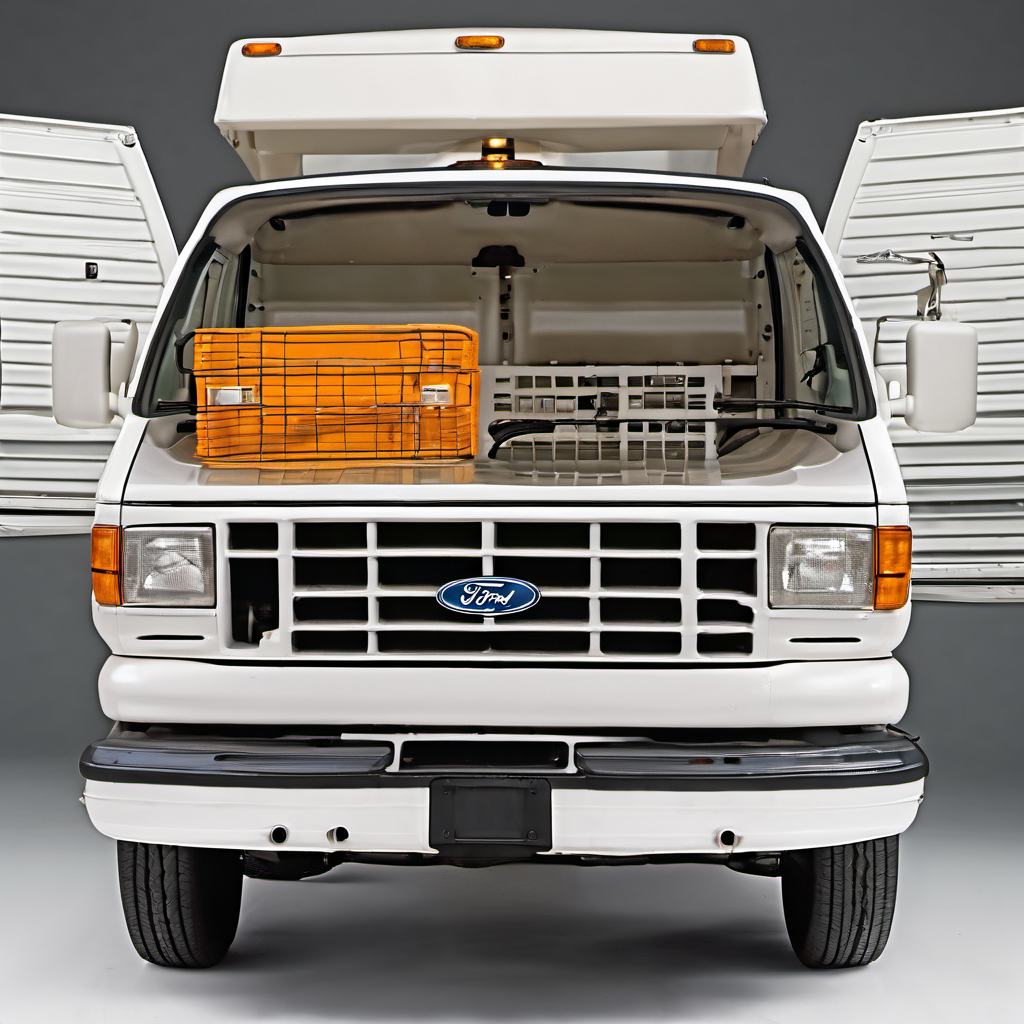
2000 Ford
4.6L V8 Triton · Van/Minivan
The 2000 Ford Econoline E250 is a full-size cargo van built on Ford's long-running E-Series platform — a workhorse that has served tradespeople, delivery fleets, conversion van builders, and small businesses for decades. At 25 years old, survivors are almost exclusively high-mileage commercial veterans or converted campers/passenger vans, so buying one used means buying its entire work history. The E250 slots between the half-ton E150 and the heavy-duty E350, giving it a payload rating suited for most commercial loads without requiring a CDL. The standard powertrain in 2000 was Ford's 4.6L or 5.4L Triton V8 mated to a 4-speed automatic — reliable engines, but both have well-documented issues at higher mileage that any buyer or current owner should understand before putting money in. For Lake Geneva area owners, the big concerns are undercarriage rust from road salt, a large flat hood that traps cold-soak on sub-zero mornings, and an aging electrical system that can struggle with Wisconsin winters. These vans were built to be repaired, not replaced, and parts are cheap and widely available — an advantage that keeps them on the road long after the accountants say they should be retired.
The 2000 Ford Econoline E250 is a full-size cargo van built on Ford's long-running E-Series platform — a workhorse that has served tradespeople, delivery fleets, conversion van builders, and small businesses for decades. At 25 years old, survivors are almost exclusively high-mileage commercial veterans or converted campers/passenger vans, so buying one used means buying its entire work history. The E250 slots between the half-ton E150 and the heavy-duty E350, giving it a payload rating suited for most commercial loads without requiring a CDL. The standard powertrain in 2000 was Ford's 4.6L or 5.4L Triton V8 mated to a 4-speed automatic — reliable engines, but both have well-documented issues at higher mileage that any buyer or current owner should understand before putting money in. For Lake Geneva area owners, the big concerns are undercarriage rust from road salt, a large flat hood that traps cold-soak on sub-zero mornings, and an aging electrical system that can struggle with Wisconsin winters. These vans were built to be repaired, not replaced, and parts are cheap and widely available — an advantage that keeps them on the road long after the accountants say they should be retired.
Many of these vans lived hard fleet lives. Shorter intervals protect the Triton V8's timing chain tensioners and help prevent sludge that accelerates upper-engine wear on high-mileage units.
Plugs left too long in the 5.4L two-valve heads seize and break or eject the thread insert. This is the single most expensive preventable repair on this engine. Use only Ford-spec plugs and apply anti-seize.
Degraded coolant accelerates heater core and water pump corrosion. On a 25-year-old van, do this immediately if history is unknown — the heater core is a major labor job.
Salt-belt brake line failure is a leading cause of brake loss on aged vehicles. Steel lines corrode from the outside in; a pinhole under load is a sudden failure. Replace with stainless or coated steel lines proactively.
The 4-speed automatic (4R70W) is tough but responds well to clean fluid. Many fleet vans never had fluid changes — burnt fluid accelerates clutch pack wear.
Cargo van doors take enormous daily abuse. Neglected hinges sag and cause door seal failures; frozen rear latches are a common Wisconsin winter complaint.
A large V8 van with a high accessory load demands a strong battery. Sub-zero Wisconsin starts expose any marginal battery immediately — get ahead of it before November.
Wisconsin road salt is relentless. Frame rust on E-Series vans can compromise structural integrity and make future repairs (exhaust, fuel lines, suspension) exponentially more expensive. Catching it early allows treatment or patching.
Always defer to the manufacturer's service manual for warranty-mandated intervals.
A 25-year-old E250 can be cheap to own or expensive, entirely depending on its maintenance history. Parts are inexpensive and widely available — that's the good news. The bad news is that deferred maintenance items (brake lines, plugs, coolant system, transmission) can pile up fast on a neglected example. Budget $1,500–$2,500 for catch-up maintenance in year one if buying used with unknown history. Fuel economy is the ongoing pain point — there's no escaping the 14 MPG reality of a full-size V8 cargo van.
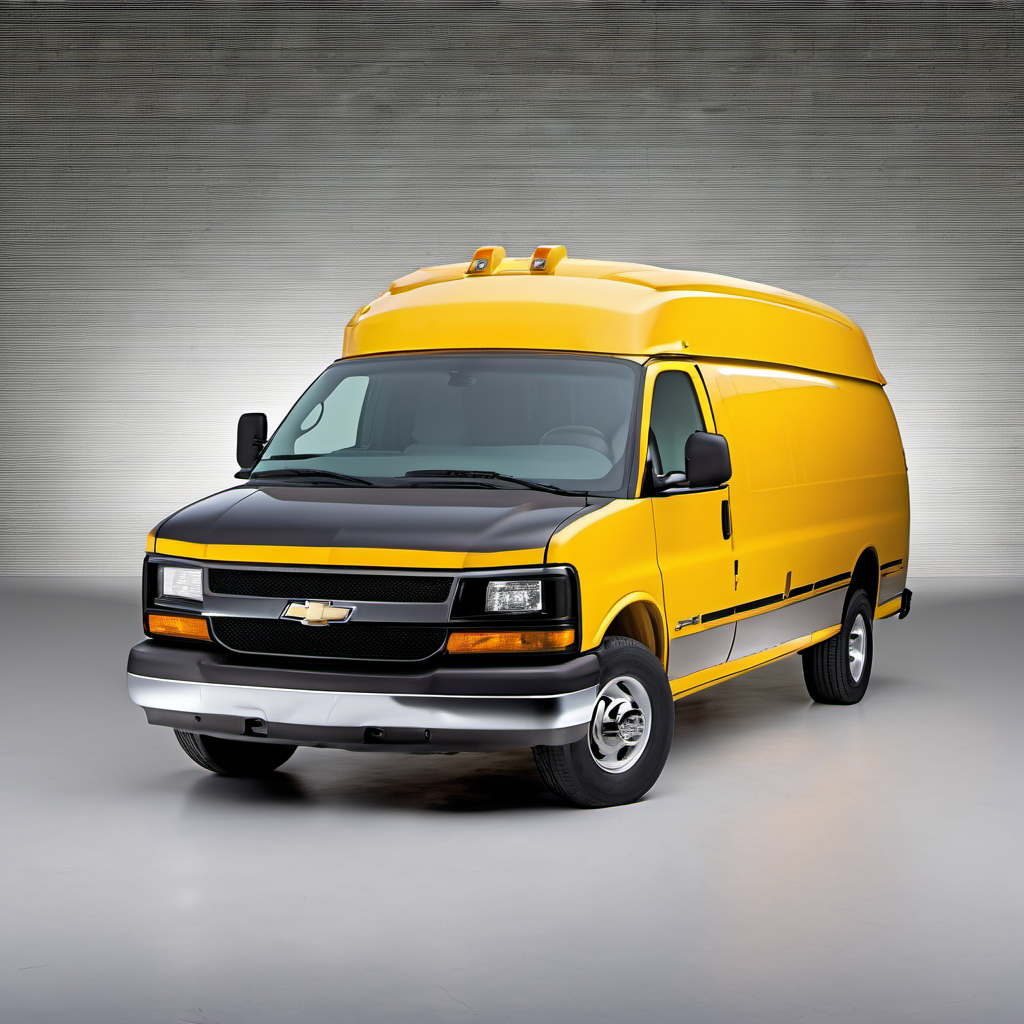
Direct rival full-size cargo van on GM's GMT600 platform. Similar payload, comparable V8 engines, same price class. GM's Vortec V8 avoids the spark plug ejection problem of the Ford 5.4L.
Chrysler's full-size cargo van competed directly with the E250 through this era. Slightly older platform by 2000, but parts are available and it draws the same buyer profile.
No catalog match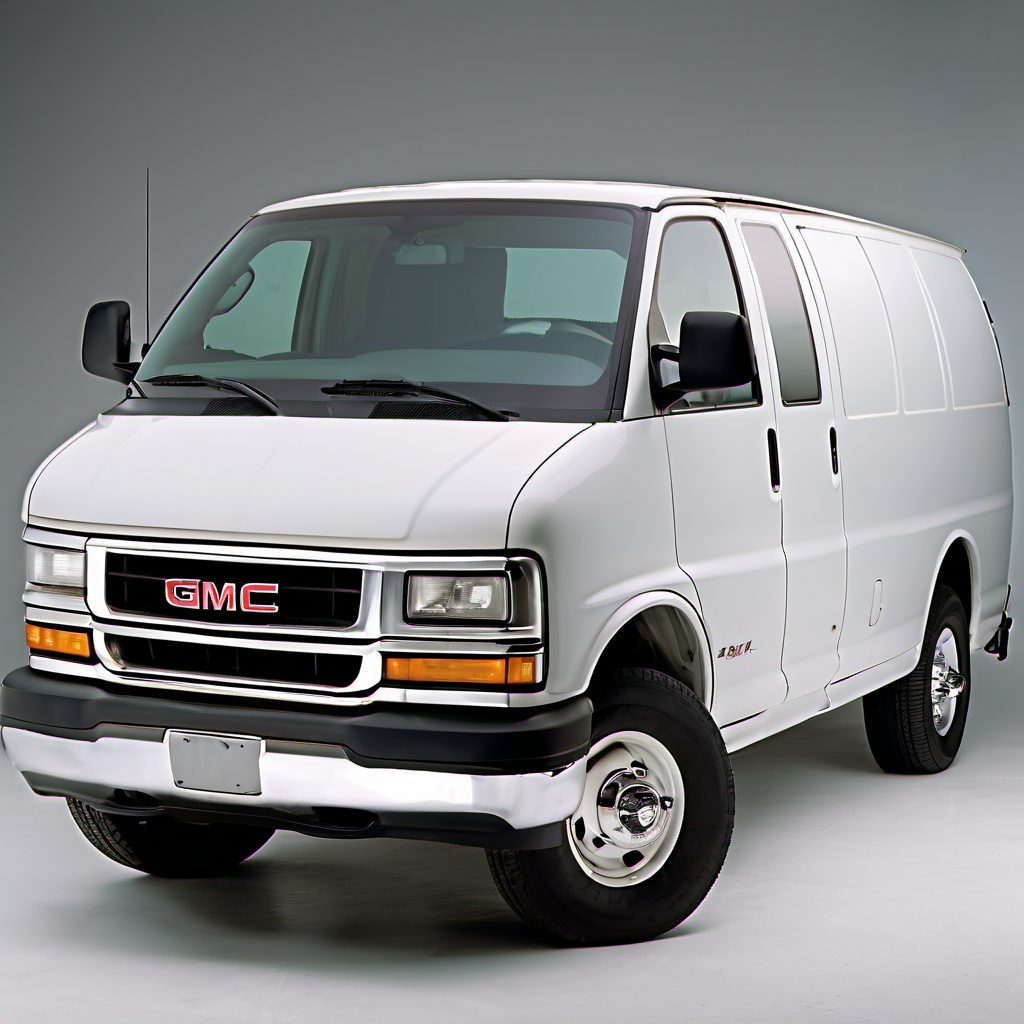
Badge-engineered twin of the Chevy Express — identical mechanically, same strengths and weaknesses. Worth cross-shopping if condition and price are right.
If payload is a priority, the E350 on the same platform offers a higher GVWR and is worth considering for heavier commercial use — same drivetrain familiarity, more capacity.
No catalog match