Intake Manifold Gasket Failure (5.7L Vortec)
high- Typically appears
- 80–150k mi
- Estimated repair
- $400 – $750
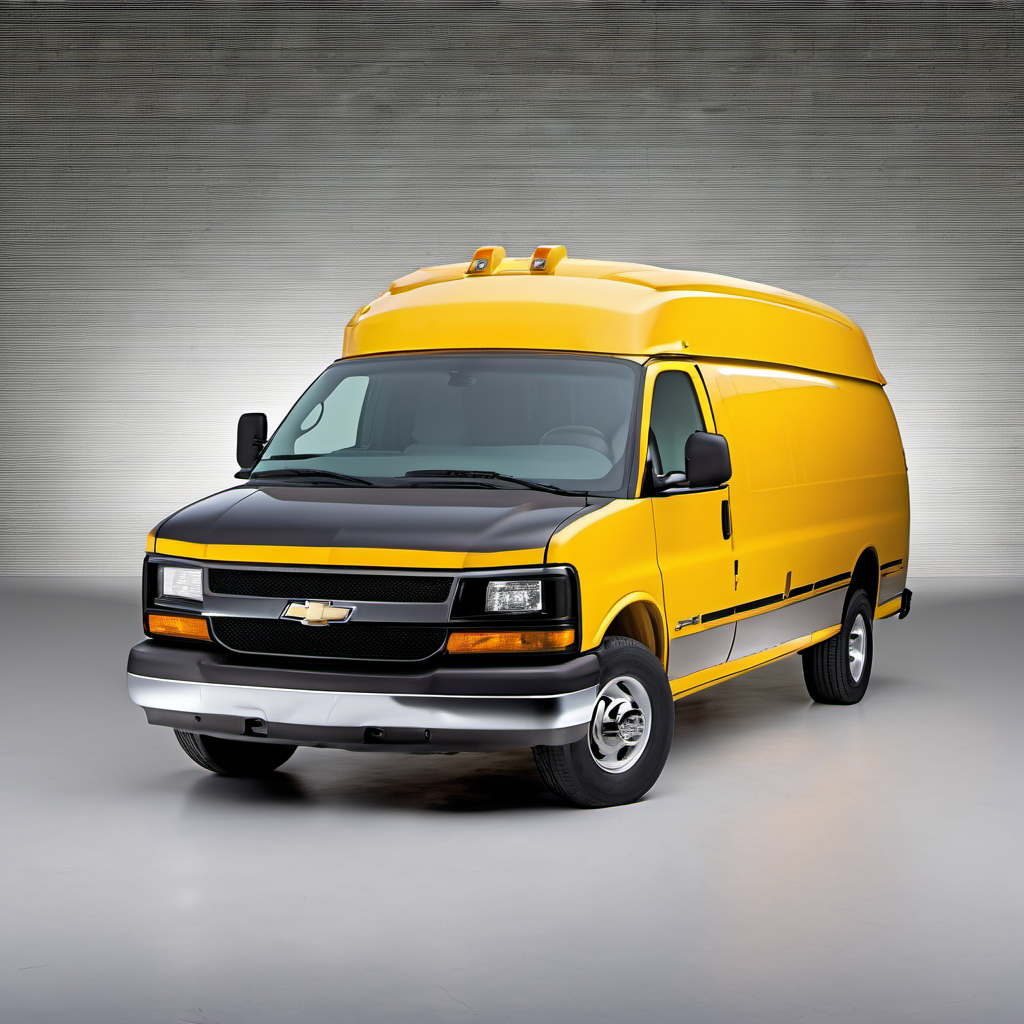
2000 Chevrolet
5.7L V8 (Vortec 5700) · Van/Minivan
The 2000 Chevrolet Express 2500 Cargo Van is GM's workhorse full-size cargo van, built on the same GMT600 platform that replaced the classic G-Series vans in 1996. The 2500 designation means it's the three-quarter-ton variant — stout enough for serious commercial use, tradespeople, fleet operators, and conversion builds. With a body-on-frame design, solid rear axle, and a choice of proven small- and big-block V6/V8 engines, these vans were built to accumulate miles under load. By 2000, GM had refined the Express enough to be a reliable daily driver and cargo hauler. The 4.3L V6 was standard but most 2500s left the factory with the 5.0L or 5.7L V8, which gave them the pulling muscle they needed. A 4-speed automatic backed all engines. Interior creature comforts were minimal — this is a work vehicle — but the powertrain and chassis were proven commercial-grade hardware. These vans have aged reasonably well, especially examples that weren't rode hard in fleet service without maintenance. Rust is the biggest enemy in Wisconsin; the frame rails, rocker panels, and rear wheel wells on a 25-year-old Express need close attention. Well-maintained examples with a clean undercarriage can push 200,000+ miles without major powertrain surgery.
The 2000 Chevrolet Express 2500 Cargo Van is GM's workhorse full-size cargo van, built on the same GMT600 platform that replaced the classic G-Series vans in 1996. The 2500 designation means it's the three-quarter-ton variant — stout enough for serious commercial use, tradespeople, fleet operators, and conversion builds. With a body-on-frame design, solid rear axle, and a choice of proven small- and big-block V6/V8 engines, these vans were built to accumulate miles under load. By 2000, GM had refined the Express enough to be a reliable daily driver and cargo hauler. The 4.3L V6 was standard but most 2500s left the factory with the 5.0L or 5.7L V8, which gave them the pulling muscle they needed. A 4-speed automatic backed all engines. Interior creature comforts were minimal — this is a work vehicle — but the powertrain and chassis were proven commercial-grade hardware. These vans have aged reasonably well, especially examples that weren't rode hard in fleet service without maintenance. Rust is the biggest enemy in Wisconsin; the frame rails, rocker panels, and rear wheel wells on a 25-year-old Express need close attention. Well-maintained examples with a clean undercarriage can push 200,000+ miles without major powertrain surgery.
The Vortec 5700 tolerates conventional oil well, but the OBD-I/II era engine has no oil life monitor — use the calendar. These engines sludge up quickly with extended intervals under commercial load.
Intake manifold gasket failure on the 5.7L is almost always preceded by neglected coolant. DexCool breakdown accelerates gasket corrosion. Stick to a strict flush schedule and inspect the thermostat while you're in there.
The 4L80-E / 4L60-E automatic works hard in a loaded cargo van. Fresh fluid keeps clutch packs alive. Neglected trans fluid is the #1 cause of premature transmission failure on these.
Heavy GVW puts real stress on front-end components. In Wisconsin, road salt accelerates wear. A worn idler arm causes wheel shimmy and makes the van hard to control under braking.
Steel lines on a 25-year-old Wisconsin van are prime rust candidates. A rusted-through brake line is a safety emergency. Inspect the full length from front to rear every year.
The Vortec V8 uses conventional (non-iridium) plugs in 2000. Worn plugs cause misfires and hurt fuel economy noticeably on a vehicle already getting 13–14 mpg city.
Many chassis components on this platform have grease zerks. Skipping lubrication turns a $10 tube of grease into a $600 ball joint job faster than you'd expect, especially in winter.
Road salt is the single biggest long-term cost multiplier on this van. A coin-operated undercarriage wash after snowstorms dramatically slows frame and brake line corrosion.
Always defer to the manufacturer's service manual for warranty-mandated intervals.
A well-maintained Express 2500 is one of the more affordable full-size cargo vans to keep running — parts are cheap and plentiful, and any shop can work on the Vortec V8. The budget risk on a 25-year-old Wisconsin example is corrosion repair: a moderate rust job on brake lines and frame sections can run $1,500–$3,500 at an independent shop. Budget higher in the first year of ownership if the undercarriage hasn't been professionally inspected.
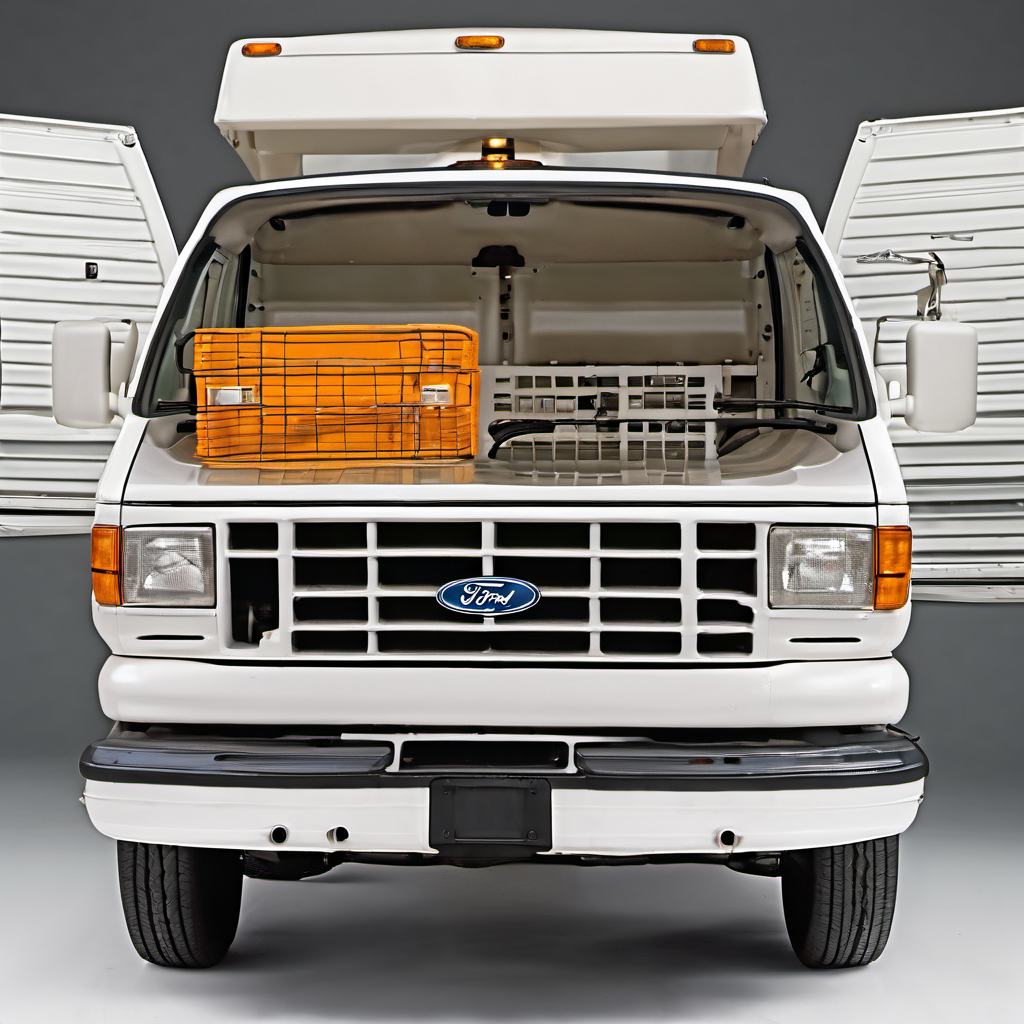
Direct competitor in the 3/4-ton full-size cargo van segment. The 5.4L Triton V8 is comparably capable; known for similar rust issues in the salt belt. Slightly different ergonomics but same mission.
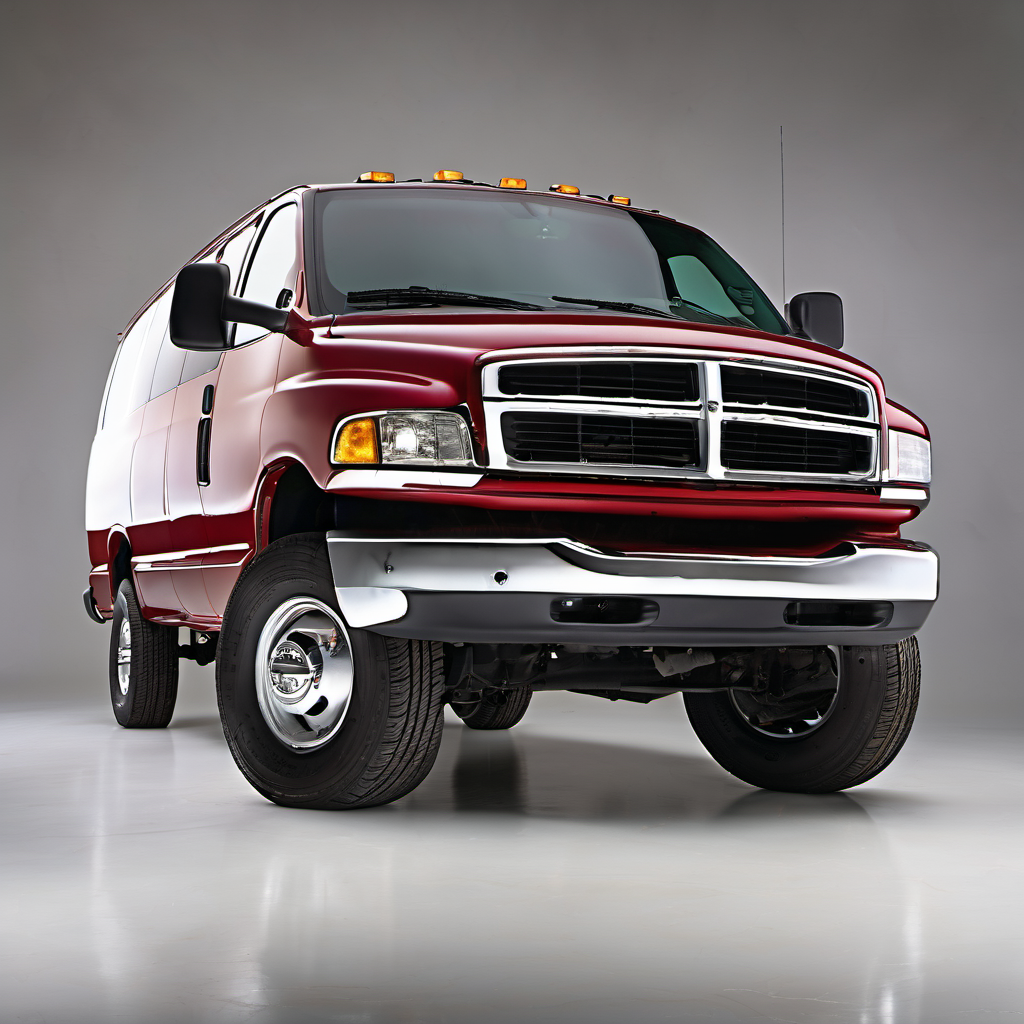
Dodge's equivalent 3/4-ton cargo van. Forward-engine cab-over design gives excellent maneuverability; the 5.2L/5.9L Magnum V8s are proven but have their own known issues. Parts availability is slightly lower than the Express or Econoline.
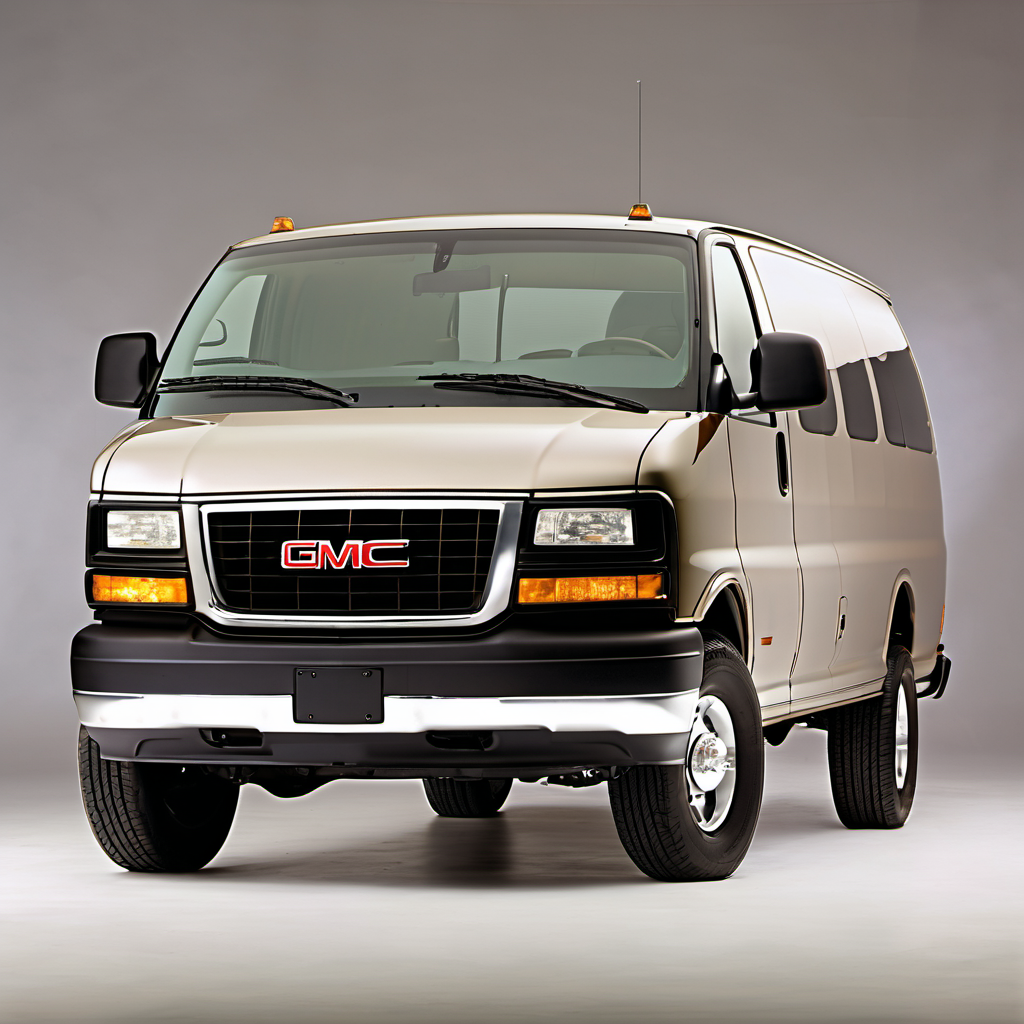
Mechanically identical to the Express 2500 — same platform, same engines, same drivetrain. The only real difference is the badge and grille. All Express notes apply directly.

If payload needs have grown beyond the 2500's 8,600 lb GVWR, the E-350 1-ton is the natural step up. Shares the same era of construction and similar ownership cost profile.