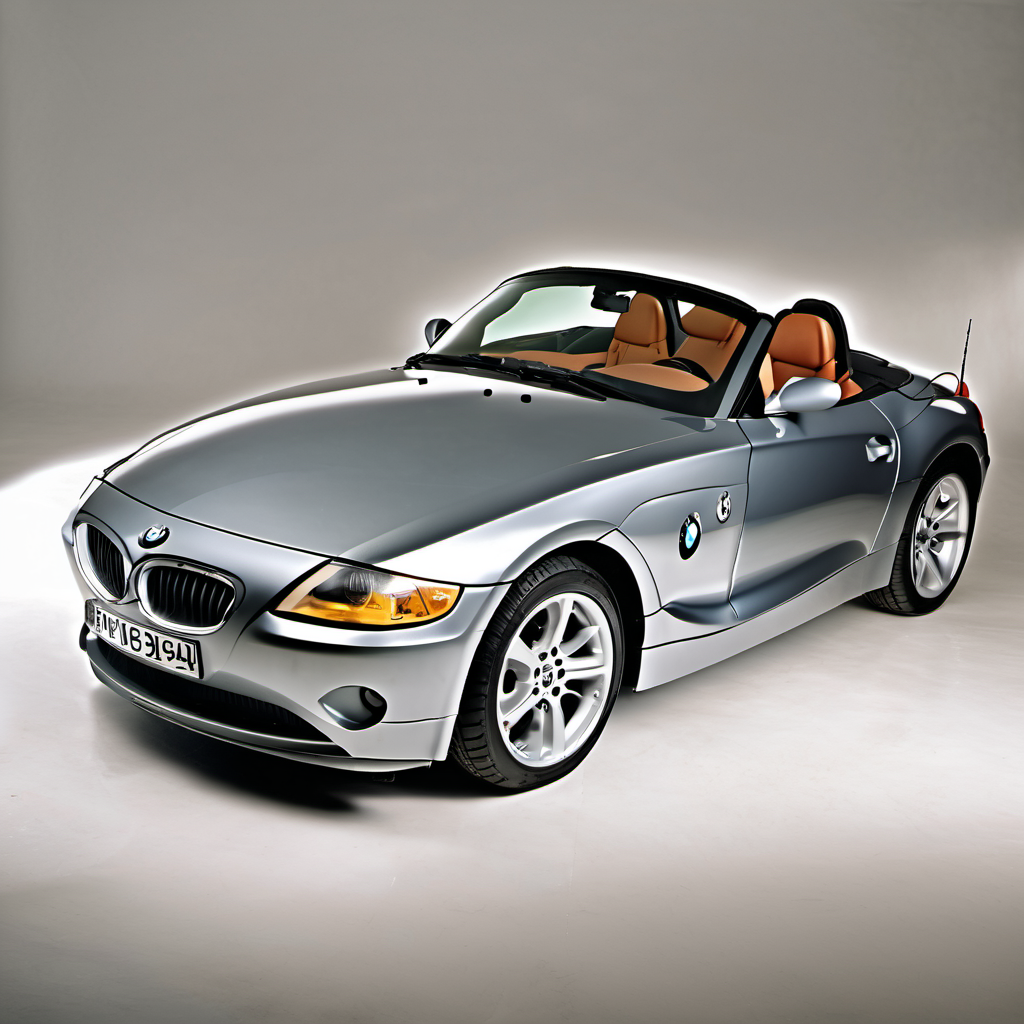
2003 BMW Z4 Convertible

2003 BMW

Z4Convertible

Convertible

The 2003 BMW Z4 is the first model year of BMW's second-generation two-seat roadster, replacing the Z3. Built in Spartanburg, South Carolina, it arrived with sharper styling penned by Chris Bangle and a stiffer, more athletic platform. The Z4 2.5i pairs a smooth inline-six with rear-wheel drive and a manual or automatic transmission, delivering a genuinely rewarding driving experience that put it ahead of most competitors in its class. For 2003, the Z4 was available in 2.5i and 3.0i trims. The 2.5i is the more common find on the used market — more affordable to buy and to insure, with nearly identical dynamics minus a bit of top-end power. The power-retractable soft top is manual-latching but otherwise reliable, and the interior, while snug, features quality materials that hold up well with care. As a 20-plus-year-old German roadster, the Z4 rewards owners who stay ahead of maintenance. Neglect oil changes, cooling system service, or soft top care, and repair bills climb fast. Find one with service records and a clean top, and it's a genuinely fun, reasonably reliable driver.

Reliability
3/5
Verified data
Specs shown for Z4 Roadster — the most common configuration. Other trims may vary in engine, drivetrain, or fuel economy. Sign in to see your vehicle's exact specs.
Engine
[object Object]
Drivetrain
RWD
Fuel
Premium gasoline
MPG
18 city / 26 hwy / 21 combined
Seats
Doors
Body
Two Seaters

Overview

AI-curated

The 2003 BMW Z4 is the first model year of BMW's second-generation two-seat roadster, replacing the Z3. Built in Spartanburg, South Carolina, it arrived with sharper styling penned by Chris Bangle and a stiffer, more athletic platform. The Z4 2.5i pairs a smooth inline-six with rear-wheel drive and a manual or automatic transmission, delivering a genuinely rewarding driving experience that put it ahead of most competitors in its class. For 2003, the Z4 was available in 2.5i and 3.0i trims. The 2.5i is the more common find on the used market — more affordable to buy and to insure, with nearly identical dynamics minus a bit of top-end power. The power-retractable soft top is manual-latching but otherwise reliable, and the interior, while snug, features quality materials that hold up well with care. As a 20-plus-year-old German roadster, the Z4 rewards owners who stay ahead of maintenance. Neglect oil changes, cooling system service, or soft top care, and repair bills climb fast. Find one with service records and a clean top, and it's a genuinely fun, reasonably reliable driver.

Known for
  • Sharp, driver-focused RWD dynamics with a well-balanced chassis
  • Smooth and willing BMW inline-six engine
  • Premium interior materials for its class and era
  • Distinctive, polarizing Bangle-era styling that has aged into a classic look
Best for
  • Driving enthusiasts who prioritize handling over practicality
  • Weekend and fair-weather drivers (not a daily Wisconsin winter car)
  • Buyers wanting a BMW sports car experience at a used-market price
  • Single drivers or couples without regular cargo or passenger needs
Watch for
  • Cooling system neglect — thermostat, water pump, and hoses are age-sensitive
  • VANOS (variable valve timing) solenoid and seal wear causing rough idle or power loss
  • Soft top condition: tears, leaks, and failed seals are common and expensive to fix properly
  • Rear subframe and differential mount bushings degrade with age and hard driving
  • High dealer and independent shop labor costs compared to domestic sports cars

Common issues by mileage

6 known

VANOS solenoid wear and sludge buildup

high
Typically appears
60–120k mi
Estimated repair
$300 – $900

Cooling system failure (thermostat, water pump, expansion tank)

high
Typically appears
60–100k mi
Estimated repair
$500 – $1,200

Soft top leaks and seal deterioration

high
Typically appears
50k+ mi or 10+ years
Estimated repair
$200 – $2,500

Rear subframe and differential mount bushing wear

medium
Typically appears
80–130k mi
Estimated repair
$400 – $1,000

Oxygen sensor and VANOS solenoid circuit faults

medium
Typically appears
70–120k mi
Estimated repair
$150 – $600

Power steering leak (hydraulic rack or pump seals)

medium
Typically appears
80–130k mi
Estimated repair
$300 – $900

Maintenance schedule

  1. 1
    Every 5,000–7,500 miles (do not stretch to BMW's OBC interval on a used example) Engine oil and filter change — use BMW-approved full synthetic 5W-30

    VANOS solenoids and M54 engine internals are sensitive to oil quality and degradation. Sludge buildup from extended intervals is a top killer of this engine.

  2. 2
    Every 3 years or 45,000 miles; inspect hoses and expansion tank annually Cooling system inspection and fluid flush

    The plastic expansion tank and thermostat housing are known failure points. Coolant degrades and becomes corrosive — overheating an M54 is an expensive mistake.

  3. 3
    Inspect at 60k mi; replace solenoids if rough idle or P0012/P0015 codes appear VANOS solenoid cleaning or replacement

    The VANOS variable valve timing system is central to this engine's performance and efficiency. Solenoid screens clog with oil sludge and cause timing faults.

  4. 4
    Every 45,000–60,000 miles Spark plugs and ignition coil inspection

    Ignition coil failures are common on BMW inline-sixes of this era. Misfires stress the catalytic converter and VANOS system.

  5. 5
    Every 6 months; inspect seals and weatherstripping annually Soft top cleaning and conditioning

    UV exposure and Wisconsin winter freezing degrades the vinyl top fabric and rubber seals quickly. A cracked or torn top leads to water intrusion in the interior and electrical damage.

  6. 6
    Every 2 years Brake fluid flush

    BMW specifies this interval because brake fluid absorbs moisture. Wet fluid lowers boiling point and can cause spongy pedal — especially important on a sports car used in spirited driving.

  7. 7
    Every 50,000–60,000 miles Differential and transmission fluid change

    BMW doesn't always list these as serviceable, but real-world ownership shows longevity improves significantly with periodic fluid changes on the rear differential and gearbox.

  8. 8
    Every 60,000 miles or at first sign of squealing Serpentine belt and belt tensioner inspection

    Belt tensioners wear and cause belt slippage or failure; on a RWD roadster with a tight engine bay, a snapped belt leaves you stranded and can damage accessories.

Always defer to the manufacturer's service manual for warranty-mandated intervals.

Cost of ownership

Annual maintenance
$900 – $2,200
Fuel
Premium (91+ octane) required. At ~21 MPG combined and typical Lake Geneva driving mix, expect $1,800–$2,400/year at current Wisconsin premium pump prices.
Insurance
Moderate to moderately high for a sports car of this age. Expect $900–$1,500/year for a typical adult driver with clean record; collector or limited-use policies can reduce this.

The Z4 2.5i sits in a deceptive ownership cost zone — purchase prices are attractive, but parts and labor costs are firmly European. Routine maintenance at an independent BMW-capable shop runs $900–$2,200/year in normal years. Add in a cooling system service, VANOS solenoids, or a soft top repair and a single year can easily run $2,500–$4,000+. Budget accordingly and do not buy one without a pre-purchase inspection from a shop experienced with BMW inline-six engines.
Seasonal care

Lake Geneva, WI
Winter
  • Do not use this car as a regular winter driver in Wisconsin — road salt will aggressively attack the undercarriage, exhaust, and suspension hardware on a low-clearance RWD roadster with minimal traction advantage
  • If storing for winter, fill the fuel tank and add fuel stabilizer, connect a battery maintainer (trickle charger), and store the car with the soft top up and properly latched to avoid seal deformation
  • Clean and thoroughly dry the soft top and all rubber seals before storage; apply a rubber conditioner to prevent freezing and cracking
  • If driving during cold months, allow the engine and VANOS system to warm up before any spirited driving — cold oil is hard on the variable valve timing components
  • Use a full-synthetic 5W-30 oil to ensure proper cold-start lubrication in sub-zero temperatures
  • Inspect and replace the battery before storage if it's more than 3 years old — cold temps expose weak batteries fast and a dead battery over winter can damage the soft top's electric latch mechanisms
Summer
  • Check tire pressure monthly — summer heat causes pressure to rise; the Z4's performance tires are sensitive to over- and under-inflation
  • Inspect the A/C system at the start of the season; the cabin is small and heat-soaks quickly with the top up — a weak A/C is very noticeable
  • Monitor coolant level and watch for any signs of overheating, especially in stop-and-go traffic; the cooling system is a known weak point and heat stress accelerates failure
  • Clean and condition the soft top fabric after winter storage before summer UV exposure begins — a dry, brittle top cracks fastest in direct summer sun
  • Check brake performance after winter storage; calipers can stick slightly after sitting and brake fluid may need flushing if overdue

Comparable vehicles

If you're shopping for one

Red flags
  • No service records or large mileage gaps between documented services
  • Any sign of overheating history (discolored coolant, cracked expansion tank, warped thermostat housing)
  • Soft top that is torn, patched, or has visible watermarks on the interior headliner
  • Rust bubbling around the rear wheel arches, subframe mounts, or rocker panels — these are expensive structural repairs
  • Check engine light present at test drive, or codes cleared immediately before sale (ask for freeze frame data)
  • A car that has been sitting unused for more than one season without documented storage preparation
What to inspect
  • Soft top: inspect for tears, pin-hole leaks (shine a flashlight inside with top up in a dark area), and check all seals and weatherstripping around doors and windows
  • Cooling system: look for coolant weeping from the expansion tank seams, residue around hose connections, and check the coolant color (should be clean blue/green, not rusty or milky)
  • VANOS operation: start cold and listen for a rattling or rough idle in the first 30 seconds; have codes read for P0012/P0015 before purchase
  • Underbody: get it on a lift and inspect for rust on subframe mounting points, exhaust, and suspension components — critical on any Wisconsin or upper Midwest car
  • Interior water intrusion: check the footwells and trunk for moisture or musty smell — a leaking soft top can silently damage the floor, wiring, and audio components
  • Service records: ask specifically for cooling system service, oil change history, and any VANOS or spark plug work
AI profile generated 4 days ago · claude-sonnet-4-6 · v2.