Timing Belt Failure (Interference Engine)
high- Typically appears
- 60–105k mi
- Estimated repair
- $350 – $600
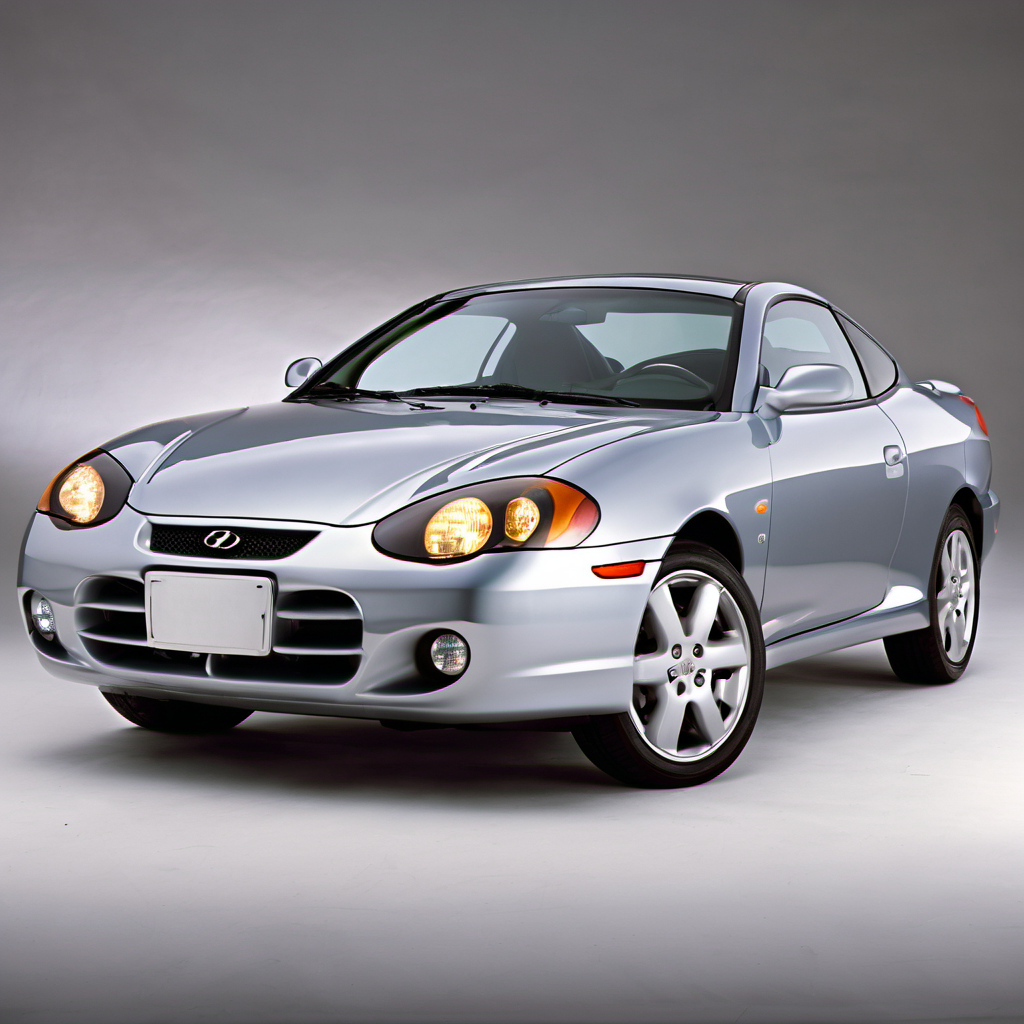
2003 Hyundai
Coupe
The 2003 Hyundai Tiburon is a front-wheel-drive sport coupe built on the Elantra platform, styled to punch well above its price point. It was Hyundai's answer to affordable sporty coupes like the Celica and Eclipse, offering sharp looks, a willing 2.0L four-cylinder, and a tight suspension tune — all at a budget-friendly MSRP. For 2003, Hyundai gave the Tiburon a significant refresh with a more aggressive body, updated interior, and available 2.7L V6 for buyers wanting more performance. The 2.0L four-cylinder base model is the volume seller. It's not a rocket, but it's lively enough for daily driving and responds well to spirited highway on-ramps. The FWD platform keeps ownership costs low, and parts availability is solid given Hyundai's shared-parts approach across the Elantra/Tiburon lineup. By 2003, Hyundai had meaningfully improved its build quality from the late 1990s, though it still trailed Japanese competitors in long-term durability. This is a car that rewards attentive maintenance — owners who stay on top of oil changes and timing belt service tend to get 150k+ miles without major drama. Neglect it and it will let you know quickly.
The 2003 Hyundai Tiburon is a front-wheel-drive sport coupe built on the Elantra platform, styled to punch well above its price point. It was Hyundai's answer to affordable sporty coupes like the Celica and Eclipse, offering sharp looks, a willing 2.0L four-cylinder, and a tight suspension tune — all at a budget-friendly MSRP. For 2003, Hyundai gave the Tiburon a significant refresh with a more aggressive body, updated interior, and available 2.7L V6 for buyers wanting more performance. The 2.0L four-cylinder base model is the volume seller. It's not a rocket, but it's lively enough for daily driving and responds well to spirited highway on-ramps. The FWD platform keeps ownership costs low, and parts availability is solid given Hyundai's shared-parts approach across the Elantra/Tiburon lineup. By 2003, Hyundai had meaningfully improved its build quality from the late 1990s, though it still trailed Japanese competitors in long-term durability. This is a car that rewards attentive maintenance — owners who stay on top of oil changes and timing belt service tend to get 150k+ miles without major drama. Neglect it and it will let you know quickly.
The 2.0L Beta II is an interference engine. If the belt snaps, pistons hit valves and the engine is destroyed. Always replace the water pump and tensioner at the same time since labor is already open.
The Beta II engine has tight tolerances and is sensitive to dirty oil. Extended drain intervals on neglected examples accelerate sludge buildup and camshaft wear.
Hyundai's OEM coolant degrades and becomes acidic over time, attacking the aluminum cylinder head and water pump. Critical in a freeze-prone climate like Lake Geneva.
Worn plugs cause misfires that are easily mistaken for more expensive problems. Cheap insurance on a high-revving 4-cylinder.
Hygroscopic fluid absorbs moisture over Wisconsin winters. Degraded fluid lowers the boiling point and accelerates caliper and ABS component corrosion.
The Tiburon's lower body is a known rust target. Road salt from Wisconsin winters accelerates perforation on the rocker panels and lower door skins. Catch it early — surface rust is cheap; structural rust is not.
Hyundai's 4-speed automatic from this era is sensitive to fluid condition. Burnt fluid is the leading cause of the shifting complaints common on high-mileage examples.
Dirty air filters lean out the fuel mixture and stress the MAF sensor, which is a known fault point on early 2000s Hyundai four-cylinders.
Always defer to the manufacturer's service manual for warranty-mandated intervals.
The Tiburon is one of the cheaper sport coupes to keep on the road year-to-year, primarily because it shares so many parts with the Elantra. Routine maintenance is affordable at an independent shop. The big financial risks are a neglected timing belt (potential engine replacement) and rust repair if the underbody wasn't treated. A well-documented example with a fresh timing belt is a solid low-cost driver.
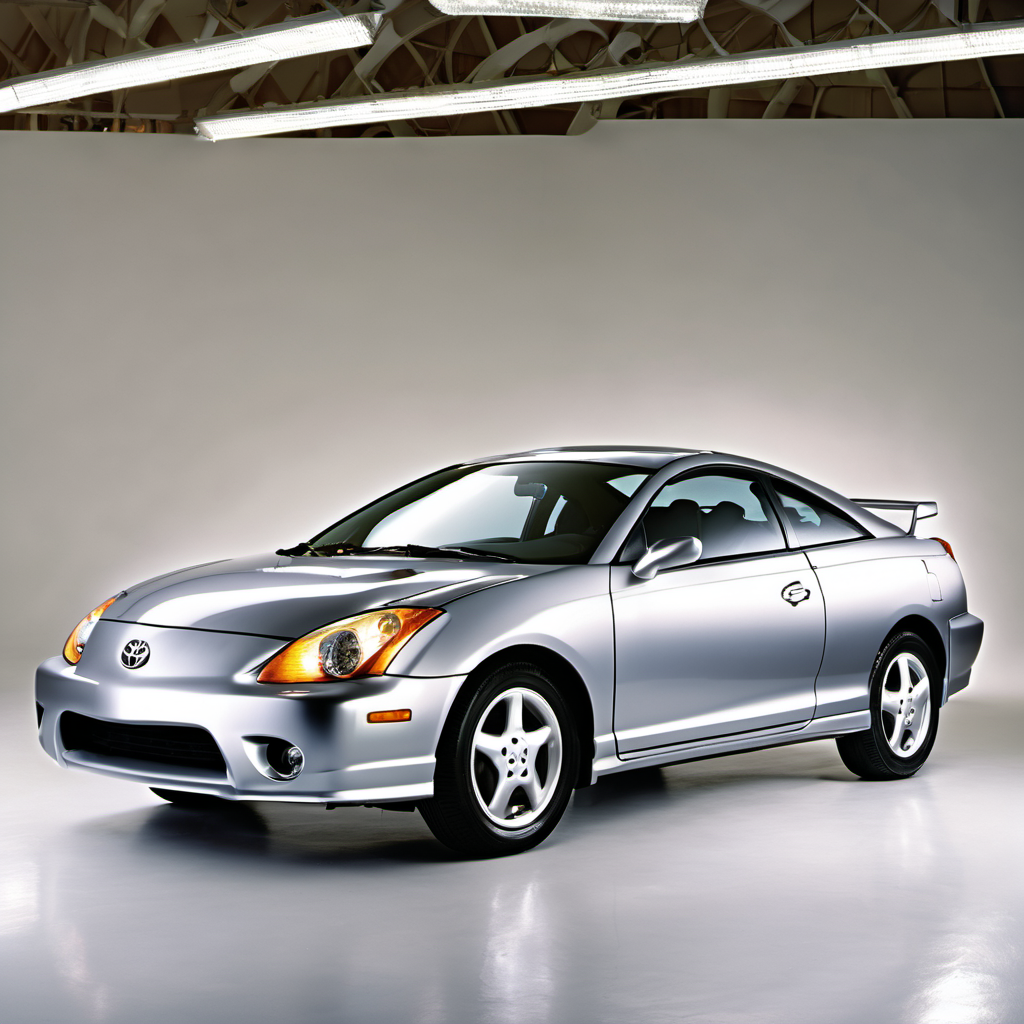
Same segment, same price band, FWD sport coupe. Better long-term reliability reputation but harder to find parts as production ended in 2005.
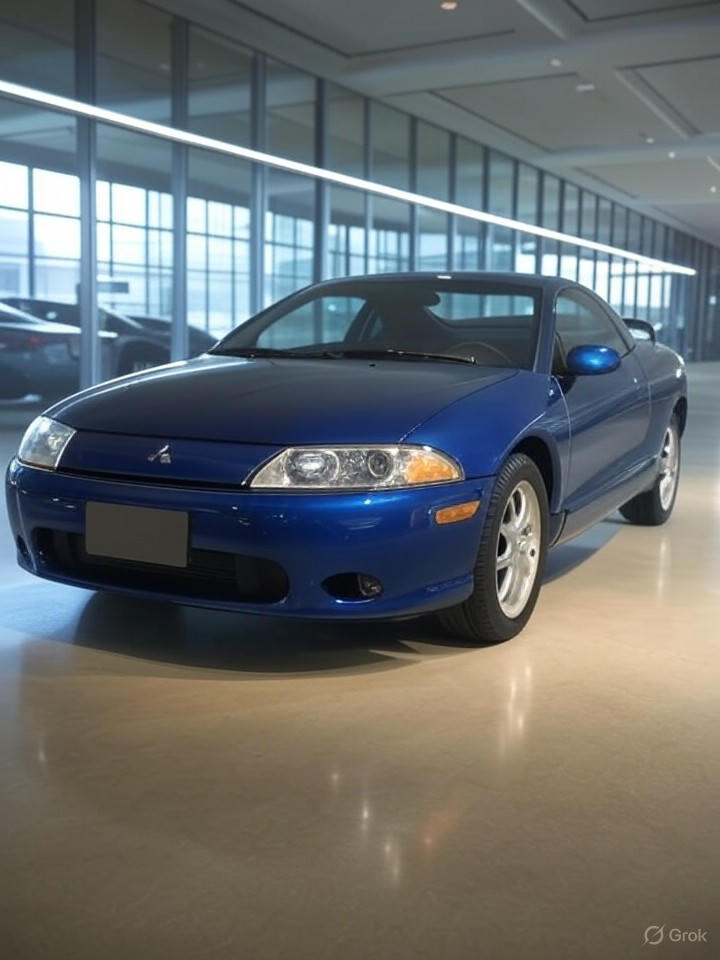
Direct competitor in the affordable sport coupe market. More power options available but higher ownership costs and more complex drivetrain on V6/AWD trims.
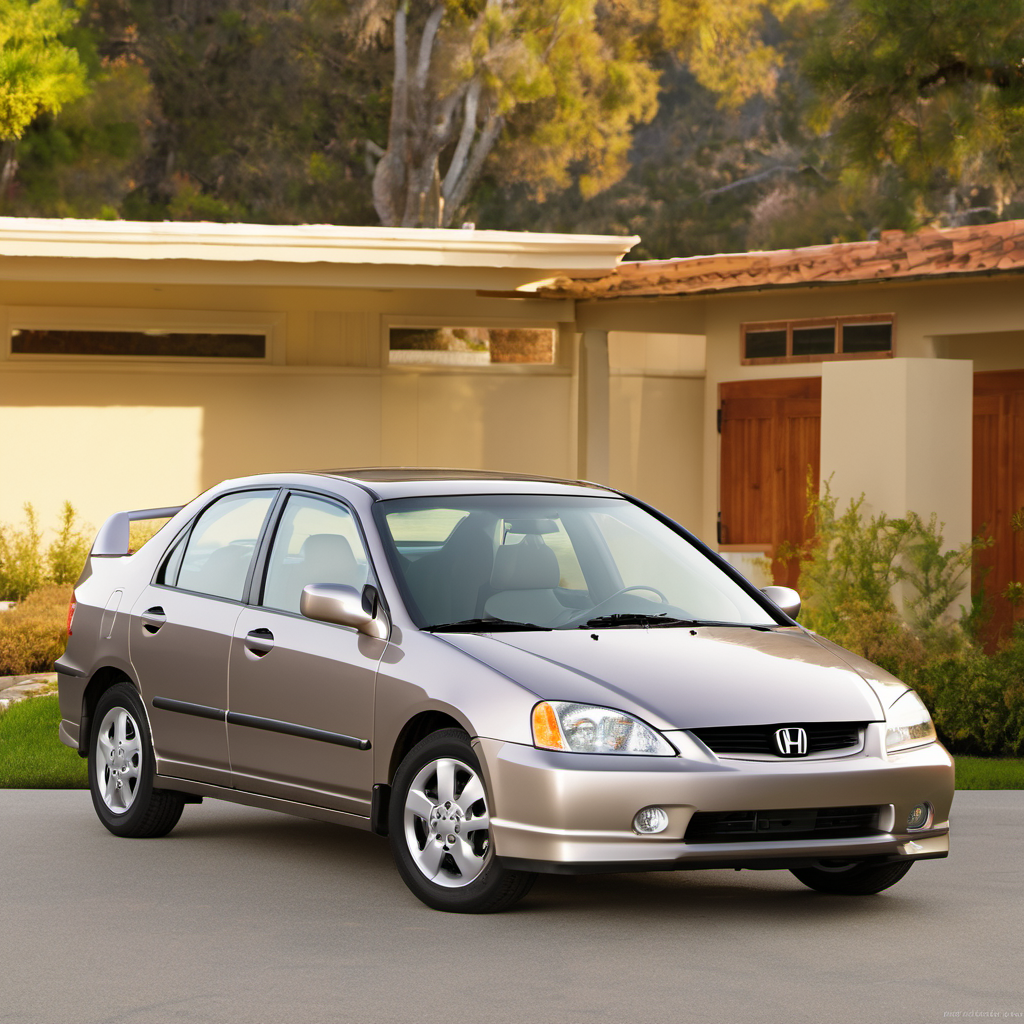
Similar price and mission as a daily driver coupe. More reliable long-term but less stylistically aggressive. Si trim adds sport without the Tiburon's rust risk.
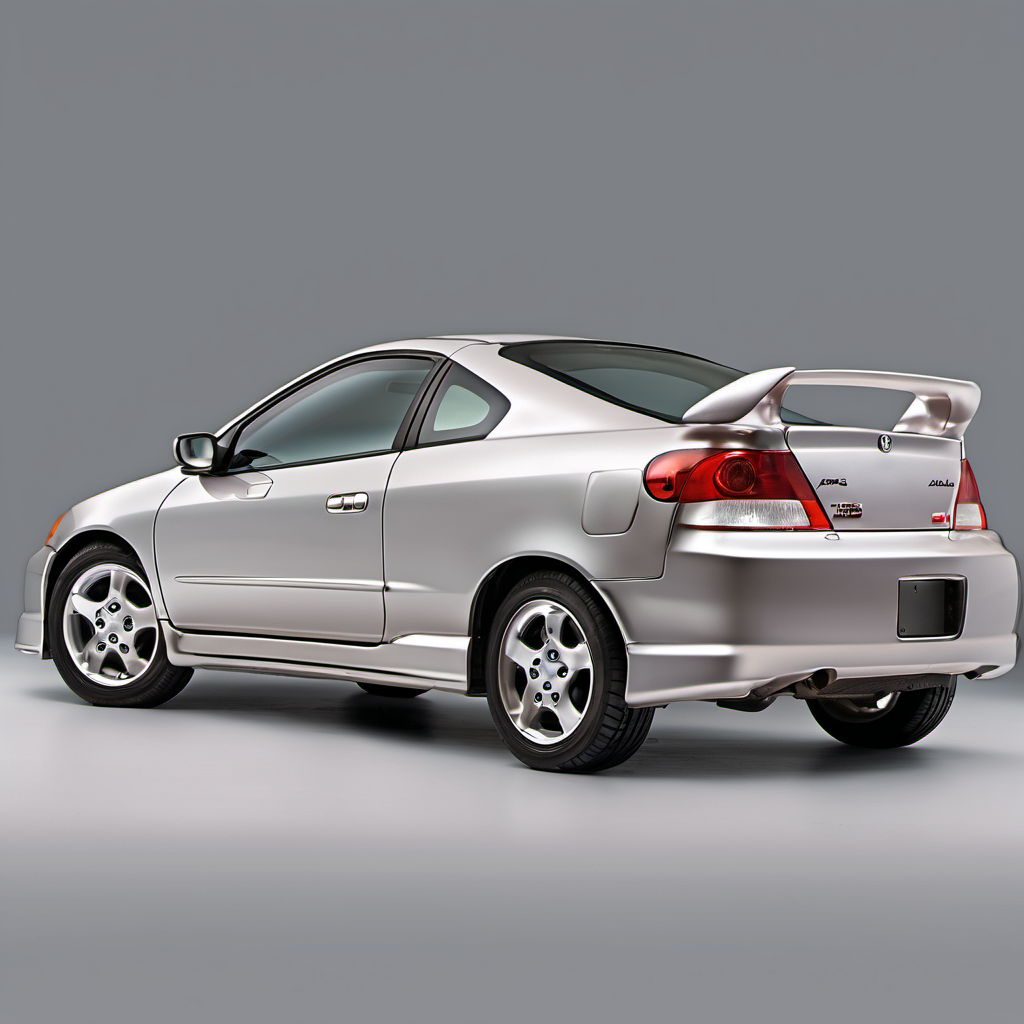
Step-up option in the same sporty FWD coupe segment. Higher MSRP but significantly better build quality, a rev-happy VTEC engine, and stronger resale.