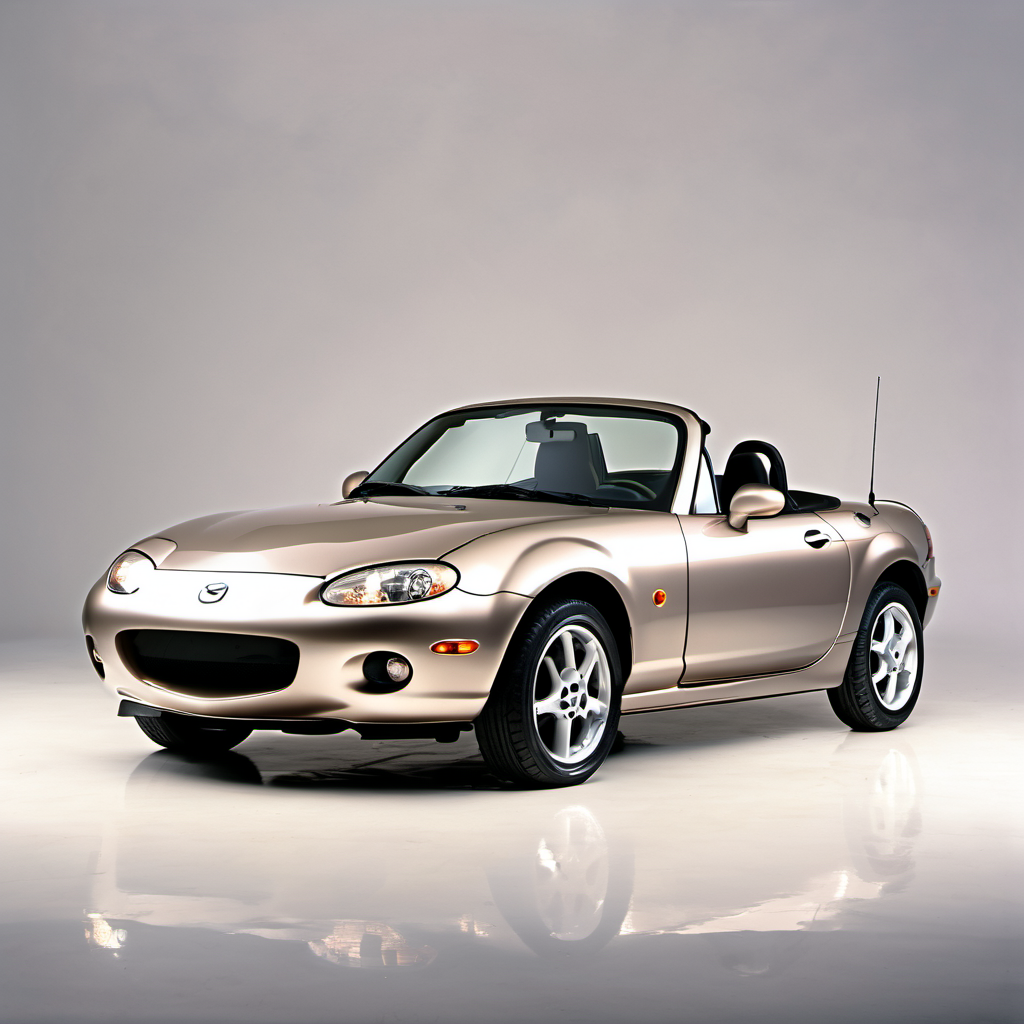
2003 MAZDA MX-5 Miata Convertible

2003 MAZDA

MX-5 MiataConvertible

Convertible

The 2003 Mazda MX-5 Miata is the second generation (NB) of the world's best-selling two-seat roadster. It carries forward the lightweight, rear-wheel-drive formula that made the original 1989 model a phenomenon — a 1.8L four-cylinder, a slick short-throw manual gearbox, and a near-perfect 50/50 weight balance. By 2003 Mazda had refined the NB with a mildly restyled nose and various interior improvements without adding meaningful weight. This is not a car for hauling groceries or Wisconsin road-trip luggage. It is a pure driver's car: low, tight, and communicative. The tradeoff is minimal storage, a snug cockpit for taller drivers, and a soft top that demands more attention in a rust-belt climate like Lake Geneva's. Mechanically the 2003 Miata is straightforward and well-supported by a massive enthusiast community. Parts are inexpensive, independent shops can handle virtually everything, and the engine will comfortably reach 200k miles with clean oil and timing belt discipline. The soft top and underbody rust are the real long-term concerns in the upper Midwest.

Reliability
4/5
Verified data
Specs shown for MX-5 Miata — the most common configuration. Other trims may vary in engine, drivetrain, or fuel economy. Sign in to see your vehicle's exact specs.
Engine
[object Object]
Drivetrain
RWD
Fuel
Premium gasoline
MPG
20 city / 25 hwy / 22 combined
Seats
Doors
Body
Two Seaters

Overview

AI-curated

The 2003 Mazda MX-5 Miata is the second generation (NB) of the world's best-selling two-seat roadster. It carries forward the lightweight, rear-wheel-drive formula that made the original 1989 model a phenomenon — a 1.8L four-cylinder, a slick short-throw manual gearbox, and a near-perfect 50/50 weight balance. By 2003 Mazda had refined the NB with a mildly restyled nose and various interior improvements without adding meaningful weight. This is not a car for hauling groceries or Wisconsin road-trip luggage. It is a pure driver's car: low, tight, and communicative. The tradeoff is minimal storage, a snug cockpit for taller drivers, and a soft top that demands more attention in a rust-belt climate like Lake Geneva's. Mechanically the 2003 Miata is straightforward and well-supported by a massive enthusiast community. Parts are inexpensive, independent shops can handle virtually everything, and the engine will comfortably reach 200k miles with clean oil and timing belt discipline. The soft top and underbody rust are the real long-term concerns in the upper Midwest.

Known for
  • Exceptional handling balance and driver feedback
  • Lightweight 1.8L drivetrain that rewards smooth inputs
  • Massive enthusiast community with excellent parts availability
  • Simple, reliable mechanicals that independent shops can handle easily
  • Timeless two-seat roadster styling
Best for
  • Driving enthusiasts who prioritize fun over practicality
  • Weekend and fair-weather drivers
  • Owners willing to garage or properly store it through harsh winters
  • DIY-friendly owners — one of the most accessible sports cars to wrench on
  • Autocross and track-day participants on a budget
Watch for
  • Soft top tears, leaks, and deteriorating plastic rear windows on 20+ year old cars
  • Underbody and floor pan rust — critical in Wisconsin salt country
  • Timing belt service history — skip it and you're buying an engine rebuild
  • Cooling system neglect leading to overheating on a small-displacement engine
  • Worn or collapsed suspension bushings that mask the car's true handling character

Common issues by mileage

6 known

Timing Belt Failure (Interference Engine)

high
Typically appears
60–105k mi (and every interval thereafter)
Estimated repair
$350 – $600

Soft Top Leaks and Rear Window Delamination

high
Typically appears
Any mileage on a 20+ year old top
Estimated repair
$400 – $1,200

Floor Pan and Sill Rust

high
Typically appears
Any mileage — age and salt exposure driven
Estimated repair
$500 – $3,500

Oxygen Sensor Failure (Front/Rear)

medium
Typically appears
80–150k mi
Estimated repair
$150 – $350

Suspension Bushing Wear (Control Arms, Sway Bar)

medium
Typically appears
80–150k mi
Estimated repair
$300 – $800

Cooling System Degradation (Thermostat, Hoses, Radiator)

medium
Typically appears
100–150k mi
Estimated repair
$150 – $600

Maintenance schedule

  1. 1
    Every 60,000 miles or 5 years, whichever comes first Timing belt and water pump replacement

    This is a non-negotiable service on the BP 1.8L — it's an interference engine. A failed belt destroys the valvetrain. Replace the water pump at the same time since you're already there.

  2. 2
    Every 5,000 miles or 6 months Engine oil and filter change

    Small-displacement engines run harder per mile and benefit from fresh oil. Don't stretch intervals — clean oil is the single biggest factor in longevity on this engine.

  3. 3
    Every 30,000 miles or 2 years Coolant flush

    Degraded coolant raises the risk of overheating and internal corrosion. A small radiator with degraded coolant is a bad combination, especially in stop-and-go summer traffic.

  4. 4
    Every spring and fall Soft top inspection and treatment

    Inspect seams, the rear window seal, and the header weatherstripping. Condition vinyl or fabric appropriately. Catching a small leak early prevents interior mold and rust on the floor pans underneath.

  5. 5
    Every spring after salt season Underbody rust inspection

    The Miata's floor pans, sills, and rear frame rails are known rust areas. Catching surface rust early and treating it is far cheaper than structural repair. This is the top priority for Wisconsin owners.

  6. 6
    Every 2 years regardless of mileage Brake fluid flush

    Brake fluid absorbs moisture over time. On a lightweight sports car you're using the brakes more aggressively; degraded fluid raises boiling point risk.

  7. 7
    Every 30,000 miles Spark plugs

    Standard copper plugs are inexpensive and keep the BP engine running crisply. Easy DIY job on this engine.

  8. 8
    Every fall before winter storage or before daily winter use Battery load test

    Cold cranking a small sports car in sub-zero Lake Geneva temps with a weak battery is a reliable way to find yourself stranded. Test and replace proactively.

Always defer to the manufacturer's service manual for warranty-mandated intervals.

Cost of ownership

Annual maintenance
$500 – $1,200
Fuel
Regular unleaded works fine despite the 'premium' notation in some documentation — the engine does not require or substantially benefit from premium in normal driving. Expect roughly $1,200–$1,800/year at typical Wisconsin driving miles (12,000/yr) depending on current pump prices.
Insurance
Generally low — sports car classification is offset by the car's low value, low horsepower, and strong safety record. Expect $900–$1,500/year for a typical adult driver, though rates vary significantly.

The NB Miata is one of the most affordable sports cars to own. Parts are plentiful and inexpensive, independent shops know this car well, and there's no premium AWD system or turbocharged engine to maintain. The big wildcard costs are rust remediation (if neglected) and soft top replacement — budget for both if buying a high-mileage example.
Seasonal care

Lake Geneva, WI
Winter
  • Strongly consider winter storage — the Miata's low ground clearance, rear-wheel drive, and open floor pan rust risk make it a poor year-round vehicle in Wisconsin salt conditions.
  • If storing: add a fuel stabilizer, disconnect or trickle-charge the battery, and store on a breathable cover — not plastic, which traps moisture.
  • If driving through winter: apply a quality undercarriage rust inhibitor before the first salt application of the season.
  • Switch to a winter-rated windshield washer fluid rated to at least -20°F — freeze-up in a convertible with marginal top seals can damage the washer system.
  • Inspect weatherstripping and top seams before winter — a leaking top over a Wisconsin winter will rust the floor pans from the inside out.
  • Keep a fully charged battery; the small engine and marginal cold-weather startup behavior mean a weak battery will leave you stranded fast in sub-zero temps.
Summer
  • Check tire pressures monthly — summer heat causes pressure to rise, and the Miata's handling is sensitive to even small pressure variations.
  • Inspect and recharge A/C if equipped (SE/LS trims had A/C); a small cabin heats up fast with the top up in direct sun.
  • Check coolant level and condition before summer road trips — a small radiator plus high ambient temps is the highest-risk scenario for overheating on this engine.
  • Inspect the soft top for UV cracking and condition the material — prolonged sun exposure accelerates deterioration of both vinyl and fabric tops.
  • Check brake pad thickness — summer autocross and spirited driving will wear pads faster than normal commuting.

Comparable vehicles

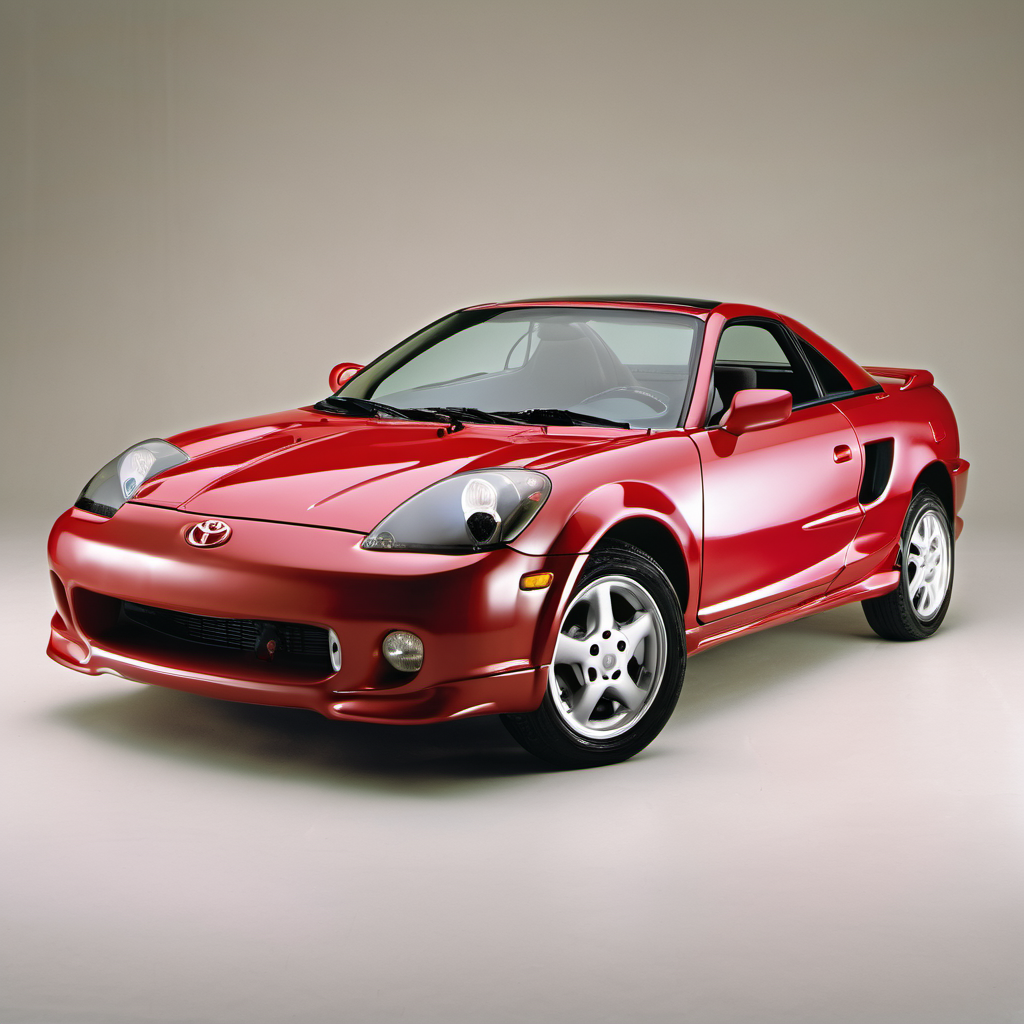
2003 Toyota MR2 Spyder
2003 Toyota
MR2 Spyder

Same segment, same era, similar price and displacement. Also a two-seat roadster with a manual gearbox, but mid-engine layout gives different handling feel. Rarer and harder to find parts for.
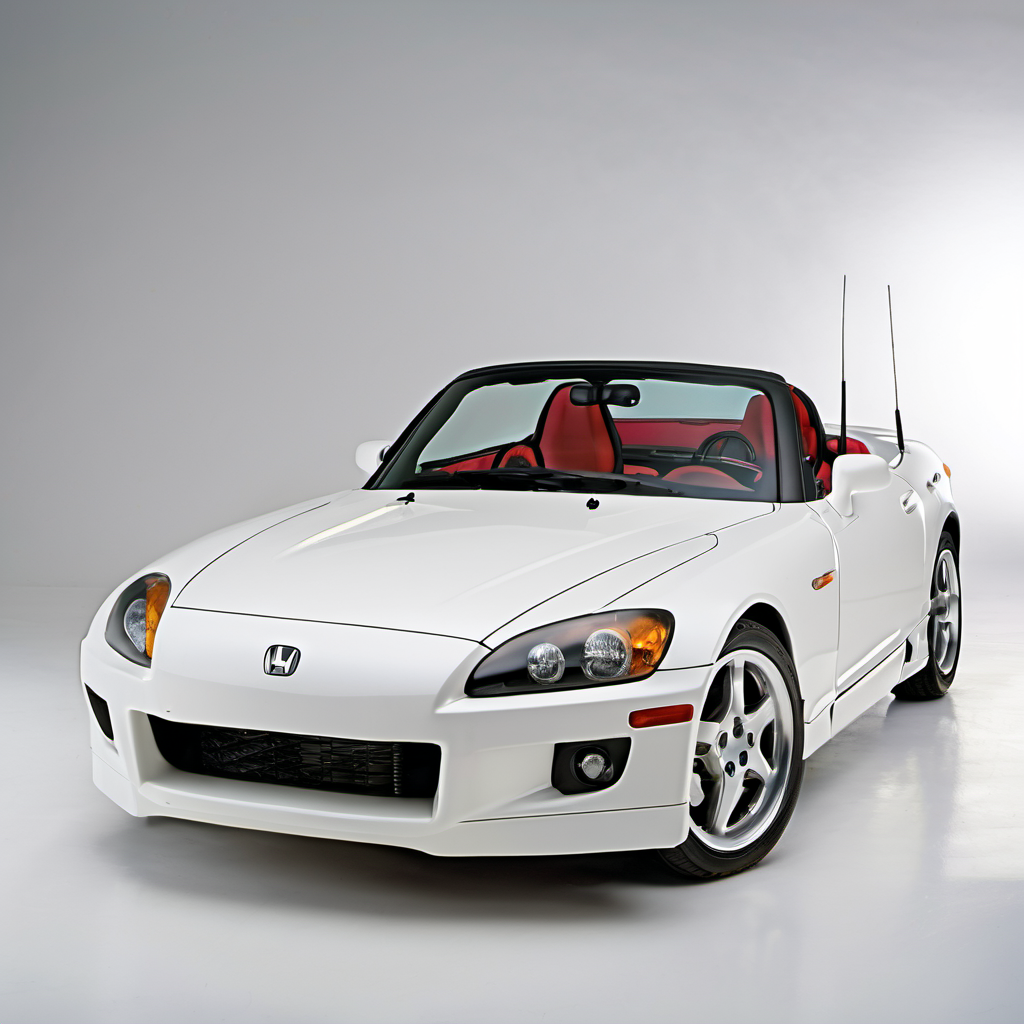
2003 Honda S2000
2003 Honda
S2000

Two-seat RWD roadster from the same era. More powerful and rev-happy but pricier to buy and maintain. Shares the Miata's driver-focused philosophy with a sharper, more demanding edge.

2003 BMW
Z3

Two-seat RWD roadster, similar fun-to-drive mission. More interior refinement but significantly higher maintenance costs and parts prices — a different long-term ownership experience.

No catalog match
2003 Pontiac
Solstice

Actually the Solstice arrived in 2006 — the period-correct GM alternative was the Pontiac Firebird/Trans Am, a RWD two-door sports car at a similar used-market price point, though with V6/V8 power and very different character.

No catalog match

If you're shopping for one

Red flags
  • Musty or moldy interior smell — indicates chronic top leaks and likely floor pan rust underneath the carpet
  • No timing belt service records on a car over 60k miles — walk away or negotiate the cost of immediate service
  • Visible rust bubbles along the rocker panels or rear wheel arches — tip of a larger iceberg
  • Cloudy or yellowed rear soft-top window — means full top replacement is coming soon
  • Any sign of accident repair on the front or rear clam — these cars get pushed hard and have been crashed
  • Overheating history or a new thermostat noted in records without explanation — investigate the cooling system thoroughly
What to inspect
  • Floor pans and door sills — probe with a screwdriver if needed; soft spots mean structural rust that's expensive to fix properly
  • Soft top condition: check seams, rear window clarity and seal, and header weatherstripping for leaks
  • Timing belt service record — if unknown, budget for immediate replacement before driving it hard
  • Undercarriage frame rails and rear subframe mounting points for rust perforation
  • Differential and transmission for leaks or whine — both are reliable but show wear on high-mileage examples
  • Cooling system hoses and overflow reservoir for cracks or discoloration indicating neglect
AI profile generated 4 days ago · claude-sonnet-4-6 · v2.