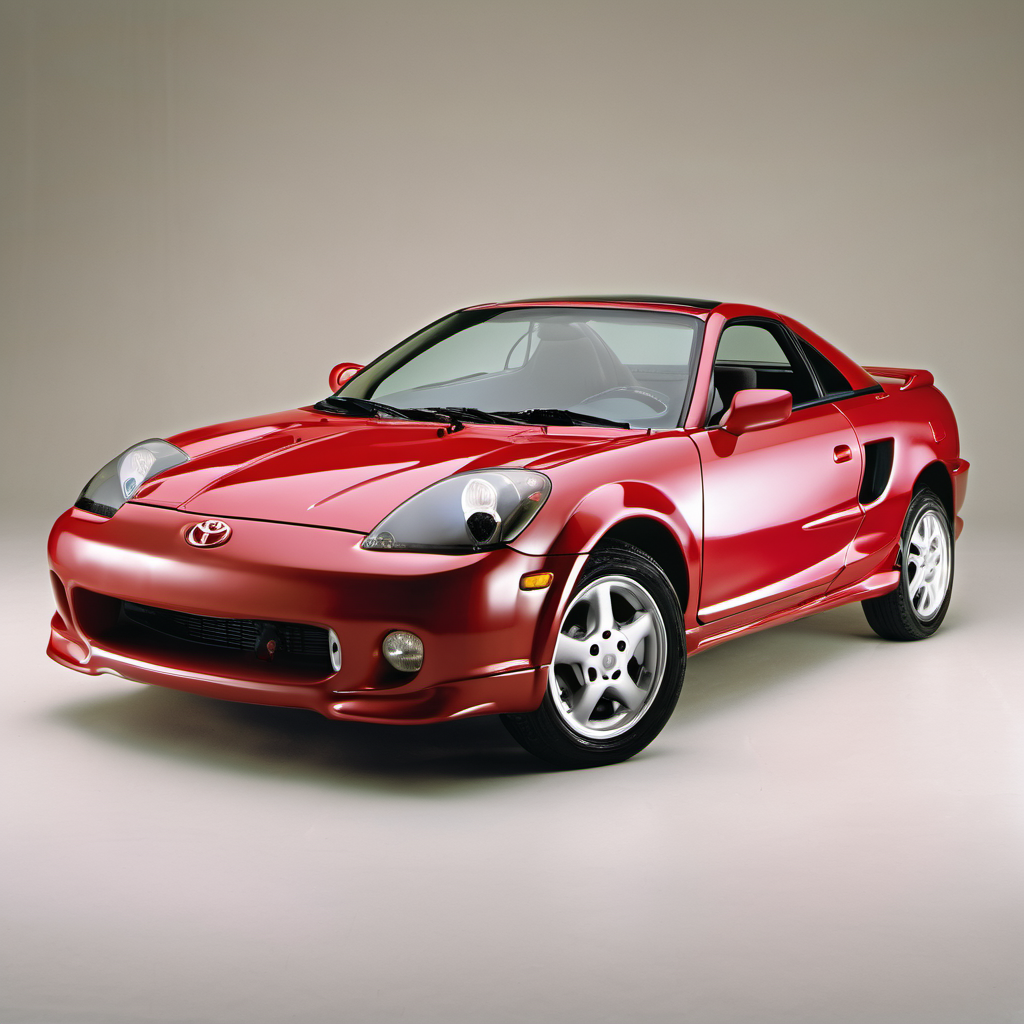
2003 Toyota MR2 Convertible

2003 Toyota

MR2Convertible

Convertible

The 2003 Toyota MR2 Spyder is the third and final generation of Toyota's lightweight, mid-engine two-seater sports car. Sold in the U.S. from 2000 through 2005, the MR2 Spyder was designed around driving purity — a featherweight curb weight, a rev-happy 1ZZ-FE four-cylinder mounted behind the seats, and rear-wheel drive. It's one of the most affordable mid-engine convertible experiences you can find on the used market. The Spyder trades outright power for balance and agility. At 138 hp, it's not fast in a straight line, but the 2,200-lb chassis makes it feel alive in corners. The soft-top is a true convertible, not a targa, and it pairs well with the open-air sports car experience the MR2 was built for. These cars are now 20+ years old, and the used market skews toward enthusiast-owned examples with modifications or high mileage. Finding a stock, well-maintained Spyder takes patience, but they reward careful buyers with low running costs and a genuinely fun ownership experience.

Reliability
4/5
Verified data
Specs shown for MR2 — the most common configuration. Other trims may vary in engine, drivetrain, or fuel economy. Sign in to see your vehicle's exact specs.
Engine
[object Object]
Drivetrain
RWD
Fuel
Gasoline
MPG
23 city / 29 hwy / 25 combined
Seats
Doors
Body
Two Seaters

Overview

AI-curated

The 2003 Toyota MR2 Spyder is the third and final generation of Toyota's lightweight, mid-engine two-seater sports car. Sold in the U.S. from 2000 through 2005, the MR2 Spyder was designed around driving purity — a featherweight curb weight, a rev-happy 1ZZ-FE four-cylinder mounted behind the seats, and rear-wheel drive. It's one of the most affordable mid-engine convertible experiences you can find on the used market. The Spyder trades outright power for balance and agility. At 138 hp, it's not fast in a straight line, but the 2,200-lb chassis makes it feel alive in corners. The soft-top is a true convertible, not a targa, and it pairs well with the open-air sports car experience the MR2 was built for. These cars are now 20+ years old, and the used market skews toward enthusiast-owned examples with modifications or high mileage. Finding a stock, well-maintained Spyder takes patience, but they reward careful buyers with low running costs and a genuinely fun ownership experience.

Known for
  • Mid-engine, rear-wheel-drive layout for excellent balance
  • Featherweight chassis (~2,200 lbs) that punches above its horsepower
  • Rev-happy 1ZZ-FE 1.8L four-cylinder engine
  • True soft-top convertible body
  • Low operating and fuel costs
Best for
  • Driving enthusiasts who want a pure handling experience
  • Weekend and fair-weather drivers
  • Buyers seeking an affordable mid-engine sports car
  • Owners who enjoy wrenching or following an enthusiast community
Watch for
  • Mid-engine snap oversteer — the balance is rewarding but unforgiving for inexperienced drivers
  • Very limited cargo space (two tiny trunks, front and rear)
  • Aging soft tops on high-mileage examples — leaks are common
  • Throttle-by-wire (SMT versions) can feel unnatural; manual transmission cars are preferred by most enthusiasts
  • Parts availability thinning as the car ages — some OEM items are discontinued

Common issues by mileage

6 known

Oil consumption — 1ZZ-FE engine

high
Typically appears
60–120k mi
Estimated repair
$100 – $500

Soft-top leaks and weatherstripping deterioration

high
Typically appears
50k+ mi
Estimated repair
$200 – $1,200

Cooling system failure — thermostat, hoses, and water pump

medium
Typically appears
80–130k mi
Estimated repair
$250 – $700

Camshaft timing / VVT-i oil control valve sludge

medium
Typically appears
70–120k mi
Estimated repair
$150 – $600

Rear suspension bushing wear

medium
Typically appears
60–100k mi
Estimated repair
$300 – $800

Catalytic converter / oxygen sensor degradation

low
Typically appears
100k+ mi
Estimated repair
$300 – $900

Maintenance schedule

  1. 1
    Every 5,000 miles or 6 months — do not stretch intervals Engine oil and filter change

    The 1ZZ-FE is prone to oil consumption and sludge if oil changes are skipped. Consistent intervals are the single best thing you can do for this engine's long-term health.

  2. 2
    Every 1,000–1,500 miles Check and top off engine oil between changes

    High-mileage 1ZZ engines may consume a quart or more per oil change interval. Running low on oil accelerates sludge and bearing wear.

  3. 3
    Every 30,000 miles or 3 years Coolant flush and inspection of hoses and thermostat

    The mid-engine layout makes cooling system access trickier than a front-engine car. Degraded coolant accelerates corrosion in the aluminum engine. Hoses on a 20-year-old car should be inspected closely.

  4. 4
    Every spring and fall Soft-top inspection and treatment

    Wisconsin's UV summers and sub-zero winters accelerate vinyl and fabric degradation. Check seals, zippers, and rear window for cracks or separation before each season.

  5. 5
    Every 30,000 miles Spark plug replacement

    The 1ZZ-FE runs standard copper-tipped plugs. Fresh plugs keep the engine responsive and protect the catalytic converter from misfires.

  6. 6
    Every 2 years Brake fluid flush

    Brake fluid absorbs moisture over time, lowering its boiling point. Critical on a sports car driven enthusiastically.

  7. 7
    Every 45,000 miles Transmission fluid change (manual)

    Factory often says 'lifetime,' but in a 20-year-old car that fluid is overdue. Fresh fluid protects synchros and keeps shifts crisp.

  8. 8
    Pressure monthly; rotation every 6,000–7,500 miles Tire pressure and rotation

    The MR2's RWD mid-engine balance is sensitive to tire condition. Staggered wear front-to-rear changes handling character significantly. Cold Wisconsin winters drop tire pressure 1–2 PSI for every 10°F drop.

Always defer to the manufacturer's service manual for warranty-mandated intervals.

Cost of ownership

Annual maintenance
$600 – $1,400
Fuel
Excellent — 25 mpg combined on regular 87 octane. Expect roughly $1,200–$1,600/year at average Wisconsin pump prices for typical driving.
Insurance
Generally moderate for a sports car given its age and low market value. Antique/collector policies may be available and cost-effective for low-mileage weekend use.

The MR2 Spyder is genuinely cheap to run day-to-day. Fuel economy is good, insurance is manageable, and routine maintenance is inexpensive. The cost wildcard is age-related repairs — a soft-top replacement, cooling system overhaul, or engine work on an oil-burning example can run $500–$2,000+ in a single visit. Budget for deferred maintenance on any used example.
Seasonal care

Lake Geneva, WI
Winter
  • This is a fair-weather car — storage over Wisconsin winter is strongly recommended. RWD, low ground clearance, and a lightweight chassis make it genuinely dangerous in snow and ice.
  • Before storage, fill the fuel tank and add a fuel stabilizer to prevent ethanol-blend fuel from degrading over 4–6 months.
  • Connect a battery maintainer (trickle charger) during storage — the small battery will self-discharge and sulfate over a long sit.
  • Store with the soft top up and supported; folded or partially open tops held in the cold can crack the rear plastic window.
  • Apply a rust-inhibiting undercoat or inspect the undercarriage for existing rust before the salt season — the MR2's low ride height means road spray hits the underside hard.
  • If you must drive in winter, use dedicated winter tires — all-season tires are not adequate for RWD in Wisconsin conditions.
Summer
  • The mid-engine compartment traps heat — check coolant level and condition at the start of every summer season.
  • Inspect the soft top for UV damage, zipper stiffness, and rear window clarity each spring; treat vinyl/fabric with a UV protectant.
  • Monitor tire pressure closely — ambient temps in summer can push pressures 4–6 PSI above cold spec, affecting handling balance.
  • Check A/C operation early in the season; the system uses R-134a and 20-year-old seals are prone to slow leaks.
  • Inspect brake pads and rotors if the car sees spirited summer driving — heat cycling accelerates wear on a lightweight sports car.

Comparable vehicles

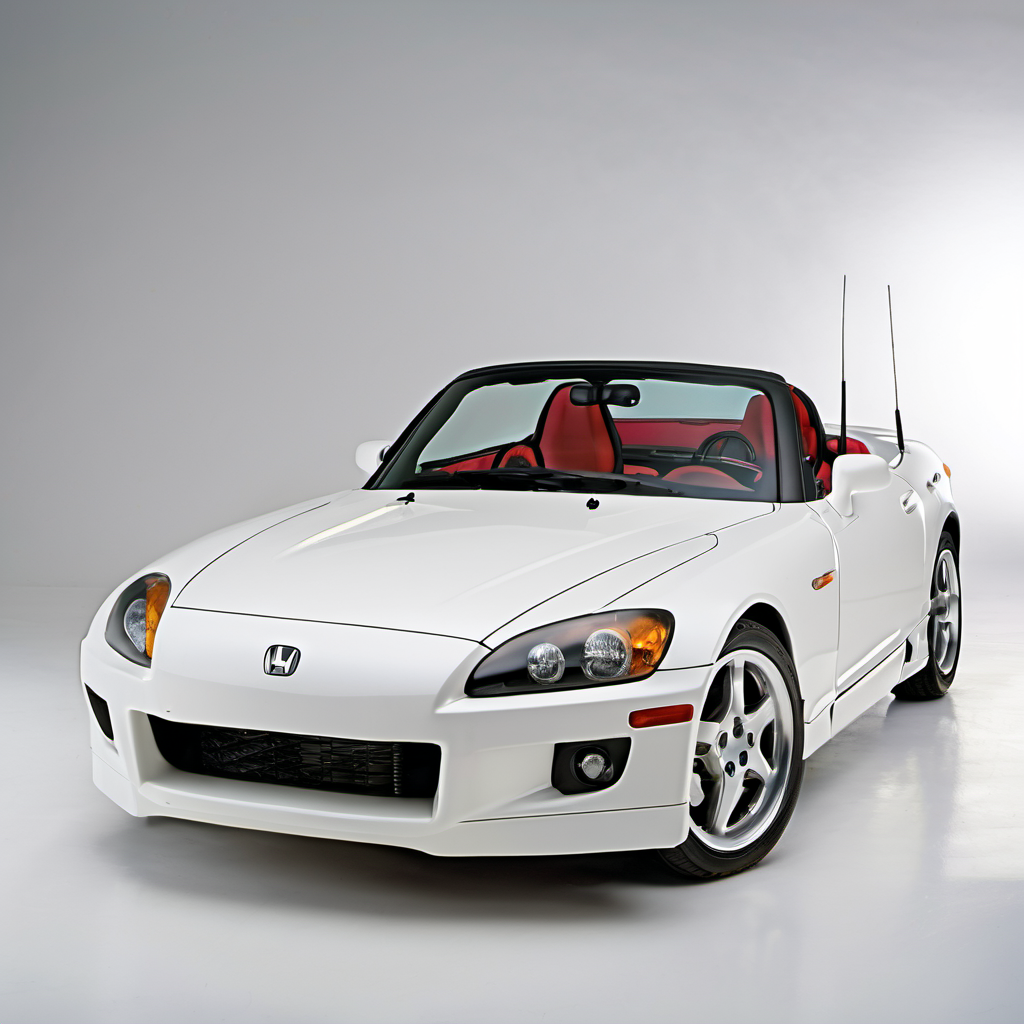
2003 Honda S2000
2003 Honda
S2000

Also a Japanese two-seat RWD roadster from the same era. More power (240 hp), front-engine layout, and a more track-focused character. Commands a higher price on the used market.
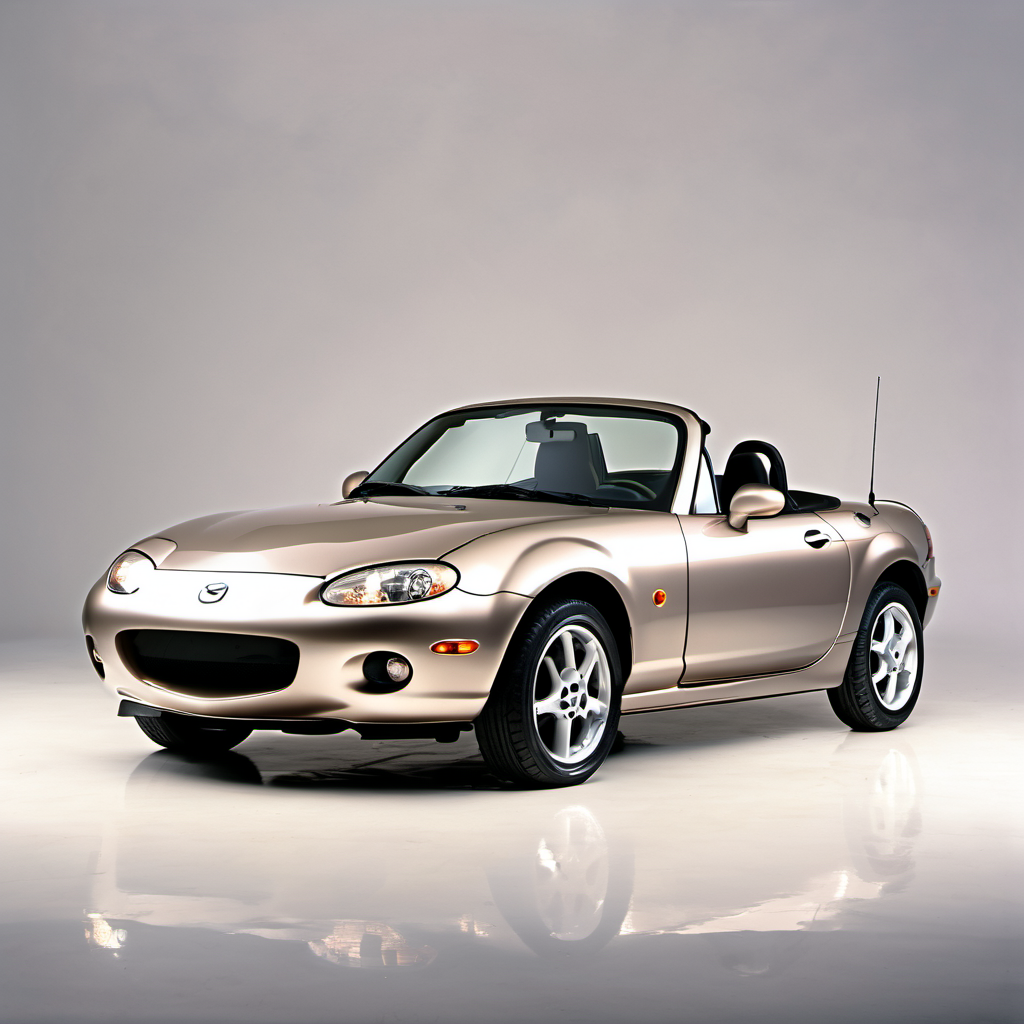
2003 Mazda MX-5 Miata
2003 Mazda
MX-5 Miata

The most direct competitor — lightweight, RWD, two-seat convertible sports car. Front-engine vs. the MR2's mid-engine layout. More parts availability, larger owner community, and slightly more forgiving handling.

2003 Pontiac
Solstice

American two-seat RWD roadster in the same price bracket. Less refined than the MR2 but more dealer support at the time. Note: Solstice arrived in 2006; the Saturn Sky is a close equivalent from this era's end.

No catalog match
2003 BMW
Z3

RWD two-seat roadster with a broader engine range. More premium feel and more cargo space than the MR2, but significantly higher maintenance costs and a front-engine layout.

No catalog match

If you're shopping for one

Red flags
  • Any evidence of overheating — stained coolant overflow, warped hood liner near engine lid, or white exhaust smoke
  • Oil level significantly low between checks, or blue smoke under acceleration
  • Soft top that leaks, has a cracked rear window, or shows mold/mildew inside the cabin
  • Visible rust on subframe or floor — Wisconsin cars can hide serious corrosion under surface grime
  • SMT transmission with jerky, hesitant, or non-responsive gear changes
  • Missing or heavily modified OBD-II emissions equipment — smog or inspection failure risk
  • No maintenance records on a high-mileage example — walk away or price accordingly
What to inspect
  • Check engine oil level AND color — milky or sludgy oil indicates severe neglect or a head gasket issue
  • Look for signs of oil consumption: blue smoke on startup or at highway speeds, fouled spark plugs
  • Inspect the soft top thoroughly in bright light — look for cracks in the rear plastic window, separating seams, and torn weatherstripping at the door frames
  • Check both trunks (front frunk and rear) for water intrusion stains, which indicate a leaking soft top
  • Inspect the undercarriage for rust, especially the subframe, floor pans, and battery tray area (battery sits in the frunk and can leak acid)
  • Test the cooling fan and verify coolant is full and clean — the mid-engine layout makes overheating especially destructive
  • On SMT (Sequential Manual Transmission) versions, verify smooth operation through all gears — SMT actuators are expensive and parts are scarce
  • Look for aftermarket modifications (engine, suspension, exhaust) — track or autocross use is common and accelerates wear
AI profile generated 4 days ago · claude-sonnet-4-6 · v2.