Timing chain tensioner wear / rattling on cold start
medium- Typically appears
- 80–150k mi
- Estimated repair
- $350 – $900
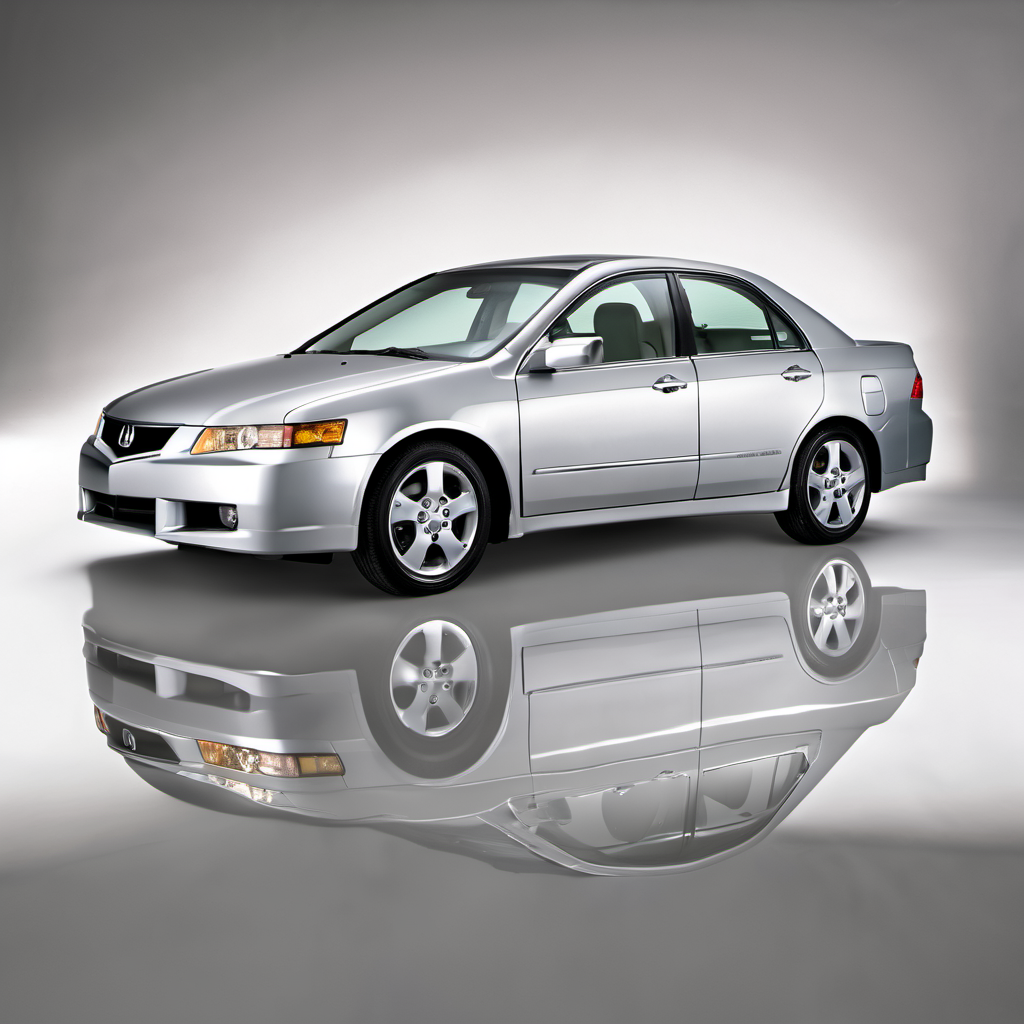
2004 Acura
Sedan
The 2004 Acura TSX was Honda's entry into the entry-luxury sport sedan segment, sold exclusively with a 6-speed manual or 5-speed automatic transmission mated to a 200-hp 2.4L inline-4. It was built on the same platform as the Euro-market Honda Accord and offered a level of driving engagement, interior quality, and feature content that undercut BMW and Audi on price while outgunning most Japanese competitors on refinement. This first-generation TSX (2004–2008) earned a loyal following for its willing engine, precise steering, and well-sorted suspension. It seats five, but the rear is cozy — this is really a driver's car with passenger benefits. Standard features for 2004 were generous: leather, dual-zone climate, Bose audio, and a sunroof all came standard. As a 20-year-old vehicle today, condition and maintenance history matter far more than brand reputation. Well-kept examples are still genuinely enjoyable to drive; neglected ones can get expensive quickly, especially around the timing chain and suspension.
The 2004 Acura TSX was Honda's entry into the entry-luxury sport sedan segment, sold exclusively with a 6-speed manual or 5-speed automatic transmission mated to a 200-hp 2.4L inline-4. It was built on the same platform as the Euro-market Honda Accord and offered a level of driving engagement, interior quality, and feature content that undercut BMW and Audi on price while outgunning most Japanese competitors on refinement. This first-generation TSX (2004–2008) earned a loyal following for its willing engine, precise steering, and well-sorted suspension. It seats five, but the rear is cozy — this is really a driver's car with passenger benefits. Standard features for 2004 were generous: leather, dual-zone climate, Bose audio, and a sunroof all came standard. As a 20-year-old vehicle today, condition and maintenance history matter far more than brand reputation. Well-kept examples are still genuinely enjoyable to drive; neglected ones can get expensive quickly, especially around the timing chain and suspension.
The K24's VTC actuator and timing chain tensioner are oil-pressure sensitive. Skipping or stretching oil changes is the single most common cause of expensive TSX engine problems. Don't wait for the maintenance light on a 20-year-old car.
A brief rattle on startup that goes away in under 3 seconds is a yellow flag. A rattle lasting longer is a red flag. Report it immediately — addressing it early avoids a much larger repair.
Honda's blue coolant degrades and becomes acidic, attacking water pump seals and aluminum surfaces. Use Honda-spec coolant or a compatible long-life blue formula.
Brake fluid is hygroscopic — it absorbs moisture over time, lowering boiling point and accelerating internal corrosion of calipers and the ABS modulator. Critical on any vehicle exposed to Wisconsin humidity and temperature swings.
Salt accelerates rotor surface rust and caliper slide pin seizure. Seized slides cause uneven pad wear and pull. This car's sporty nature also encourages harder braking.
Iridium plugs are the correct spec for the K24A2. Running worn plugs stresses ignition coils. If coils haven't been replaced past 120k, inspect them at the same time.
Honda's automatic transmissions are fluid-sensitive. Using the wrong fluid type or running degraded fluid is a top cause of shift hesitation and premature clutch pack wear. Acura/Honda-spec fluid matters here.
Lake Geneva roads see heavy salt. A 20-year-old TSX needs its brake lines, fuel lines, and subframe mounts inspected annually. Catching early rust with treatment is inexpensive; waiting until lines fail is dangerous and costly.
Always defer to the manufacturer's service manual for warranty-mandated intervals.
A well-maintained TSX is one of the more affordable sport sedans to own in this age bracket. Parts are widely available, share heavily with the Honda Accord, and independent shops familiar with Honda/Acura can service everything. The main financial risk is deferred maintenance — especially oil changes — which can turn a $400 timing chain job into a $3,000 engine problem. Budget for suspension refresh components (control arms, ball joints, bushings) if you're buying over 100k miles, and always factor in an undercarriage inspection for rust on any salt-belt example.
RWD sport sedan at a similar used price point, more power (280 hp V6) but higher running costs and worse winter traction without AWD
/2004_Volvo_S40_(New)_ff139beb_00001_.png)
FWD entry-luxury sedan, similar size and price, European feel but more expensive to repair and harder to find good independent shop support
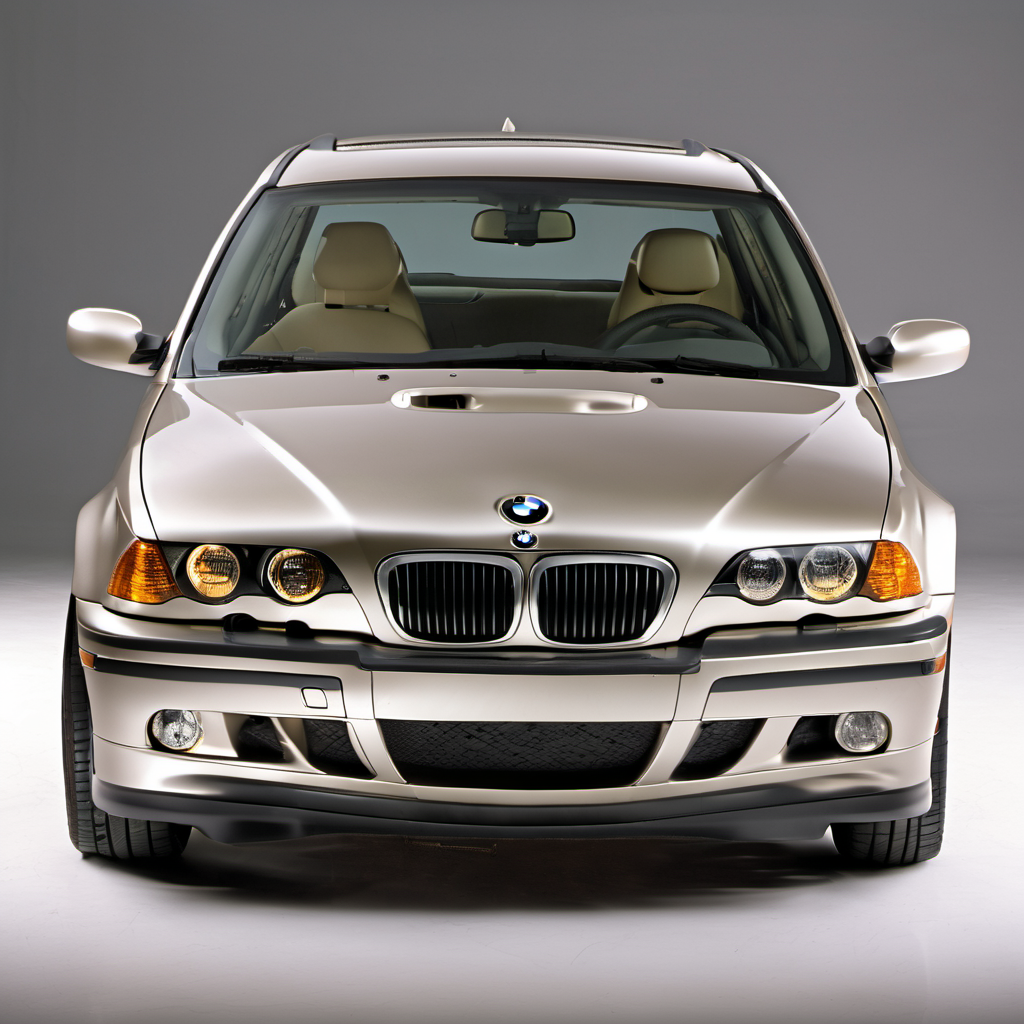
The benchmark sport sedan of the era — more engaging RWD dynamics, but significantly higher maintenance costs and more complex electronics at this age
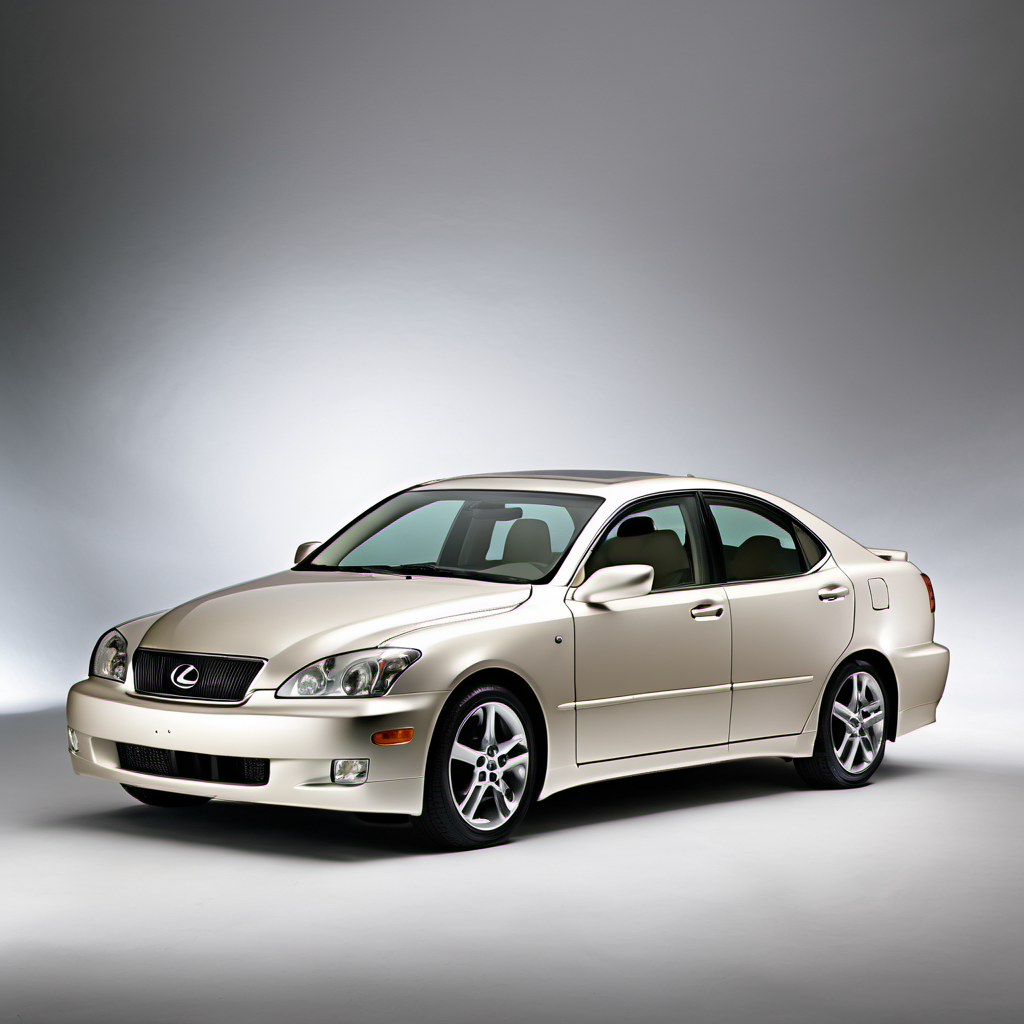
Similar luxury-sport positioning, Toyota reliability pedigree, RWD, but the IS 300 is rarer, parts are pricier, and it was approaching end of generation in 2004