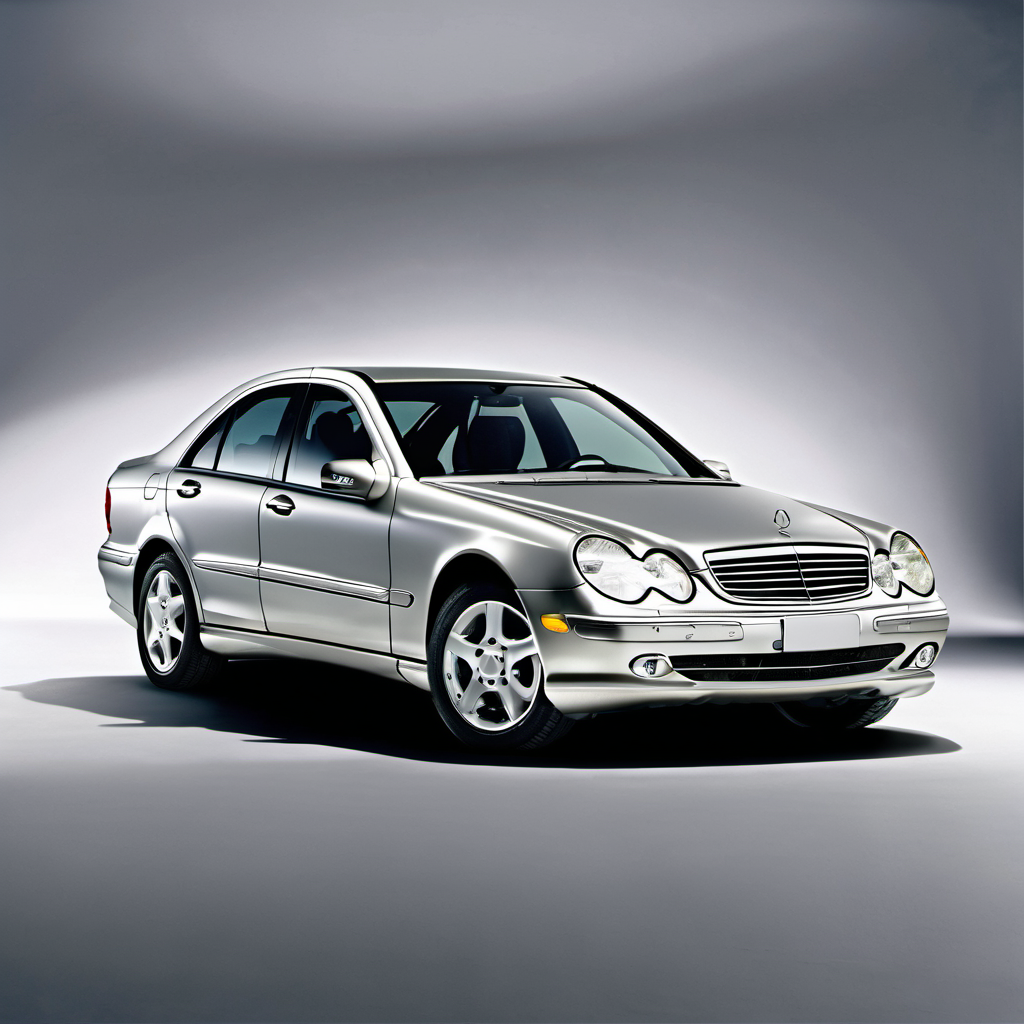
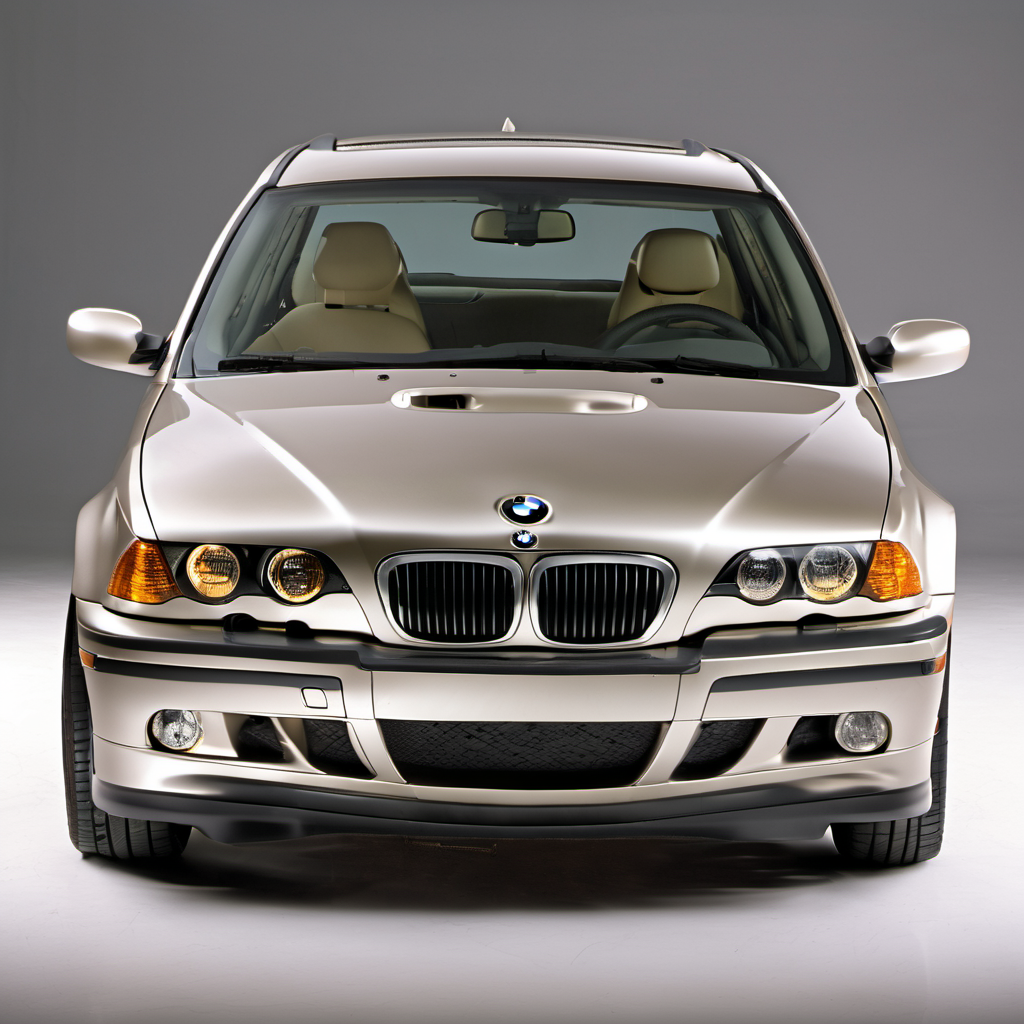
2004 Mercedes-Benz C-Class Sedan

2004 Mercedes-Benz

C-ClassSedan

Sedan

The 2004 Mercedes-Benz C-Class (W203 generation) is a compact luxury sedan that occupied the entry point of the Mercedes lineup. The C240 variant — powered by a 2.6L inline-6 — represents the volume seller for this model year, pairing a refined engine with a comfortable, well-appointed interior aimed squarely at buyers stepping into the Mercedes brand for the first time. At 20 years old, these cars are no longer cheap to maintain by any measure. While the underlying engineering is sound, the W203 is notorious for expensive electrical gremlins, aging plastic components, and repair costs that can easily outpace the car's market value. Buyers and current owners need to be honest about budget and access to an independent Mercedes-specialist shop. In a market like Lake Geneva — where road salt runs heavy from November through April — rust on brake lines, subframe mounting points, and suspension components is a genuine concern on any survivor example. This car rewards attentive, scheduled maintenance; it punishes neglect quickly and expensively.

Reliability
2/5
Verified data
Specs shown for C240 — the most common configuration. Other trims may vary in engine, drivetrain, or fuel economy. Sign in to see your vehicle's exact specs.
Engine
[object Object]
Drivetrain
RWD
Fuel
Premium gasoline
MPG
16 city / 24 hwy / 19 combined
Seats
Doors
Body
Compact Cars

Overview

AI-curated

The 2004 Mercedes-Benz C-Class (W203 generation) is a compact luxury sedan that occupied the entry point of the Mercedes lineup. The C240 variant — powered by a 2.6L inline-6 — represents the volume seller for this model year, pairing a refined engine with a comfortable, well-appointed interior aimed squarely at buyers stepping into the Mercedes brand for the first time. At 20 years old, these cars are no longer cheap to maintain by any measure. While the underlying engineering is sound, the W203 is notorious for expensive electrical gremlins, aging plastic components, and repair costs that can easily outpace the car's market value. Buyers and current owners need to be honest about budget and access to an independent Mercedes-specialist shop. In a market like Lake Geneva — where road salt runs heavy from November through April — rust on brake lines, subframe mounting points, and suspension components is a genuine concern on any survivor example. This car rewards attentive, scheduled maintenance; it punishes neglect quickly and expensively.

Known for
  • Smooth, rev-happy 2.6L inline-6 engine
  • Precise, sporty driving dynamics for a luxury sedan
  • Well-built interior with quality materials for its era
  • Complex electronics that age poorly
  • RWD platform that requires proper winter tire setup
Best for
  • Drivers who want an engaging, rear-wheel-drive luxury experience
  • Owners with access to a trusted independent Mercedes specialist
  • Buyers who can budget realistically for European luxury maintenance costs
  • Highway commuters who value a refined, comfortable ride
Watch for
  • Expensive electrical and module failures common on this generation
  • Rust on brake lines and underbody components in salt-belt states
  • High cost of parts and specialized labor versus the car's current market value
  • Aging rubber seals causing oil leaks (valve cover gasket, rear main seal)
  • Balance shaft module failure on the 3.2L; less critical on 2.6L but related oil system attention needed

Common issues by mileage

6 known

Valve Cover Gasket Oil Leak

high
Typically appears
60–120k mi
Estimated repair
$250 – $500

Plastic Coolant System Component Failure (thermostat housing, expansion tank, hose fittings)

high
Typically appears
60–100k mi
Estimated repair
$300 – $700

Maintenance schedule

  1. 1
    Every 5,000–7,500 mi (do not stretch to Mercedes Flexible Service intervals on a 20-year-old engine) Engine oil change with Mercedes-approved 5W-40 full synthetic

    The 2.6L inline-6 relies on clean oil for camshaft timing components. Sludge buildup from extended intervals is a leading cause of VVT solenoid and timing-related codes on this engine family.

  2. 2
    Every 2 years or 30k mi Coolant system inspection — hoses, expansion tank, thermostat housing

    Plastic coolant fittings and the expansion tank become brittle with age. A surprise coolant loss in a Wisconsin winter can cause rapid overheating. Proactive replacement is far cheaper than a head gasket job.

  3. 3
    Every 40,000–50,000 mi Transmission fluid service (5-speed automatic)

    Mercedes specified 'lifetime' fluid, but real-world experience on 20-year-old units shows fresh fluid extends transmission life significantly. Use approved Mercedes ATF specification fluid.

  4. 4
    Every 2 years Brake fluid flush

    Brake fluid is hygroscopic — it absorbs moisture over time, lowering its boiling point and accelerating internal corrosion in ABS/ESP hydraulic components. Critical in a high-humidity, salt environment.

  5. 5
    Every fall before salt season Underbody inspection for brake line and subframe rust

    This is the most important pre-winter check on any vehicle in Lake Geneva. Steel brake lines and subframe mounting points on W203 cars that have lived in the salt belt are a known failure risk.

  6. 6
    Every 60,000 mi Spark plug replacement (iridium)

    The 2.6L I6 is relatively straightforward to plug, but worn plugs on this engine cause misfires that can log camshaft-related fault codes. OEM-specification plugs are strongly recommended.

  7. 7
    Every 20,000–25,000 mi or annually Cabin and engine air filter replacement

    A clogged engine air filter affects fuel trim and can contribute to O2 sensor and MAF codes. The cabin filter is often neglected and affects HVAC system performance.

  8. 8
    Every fall; replace if 3+ years old Battery load test

    The W203's electronics are voltage-sensitive. A weak battery causes a cascade of module communication faults and false warning lights. Sub-zero Wisconsin starts demand a battery at full strength.

Always defer to the manufacturer's service manual for warranty-mandated intervals.

Cost of ownership

Annual maintenance
$1,200 – $3,000
Fuel
Premium gasoline required. At current prices and average annual mileage (~12k mi), expect roughly $2,200–$2,800/year depending on driving mix.
Insurance
Moderate — as an older luxury sedan with declining market value, insurance costs are typically lower than on newer luxury vehicles, but comprehensive coverage may be hard to justify given actual cash value.

This car is inexpensive to purchase but not inexpensive to own. Annual maintenance at an independent Mercedes specialist will run $1,200–$3,000 in a normal year — more if deferred work is needed. Parts prices are significantly higher than comparable domestic vehicles, and some repairs (airbag modules, CAN bus diagnostics, transmission work) carry four-figure bills. The math only works if you buy well, maintain consistently, and avoid the car with unknown history or obvious deferred maintenance.
Seasonal care

Lake Geneva, WI
Winter
  • Switch to a dedicated winter tire set — RWD + all-season tires is a serious safety risk on Wisconsin roads. Winter tires make a dramatic difference on this platform.
  • Test and replace the battery every fall if it's more than 3 years old. The W203's electronics throw multiple fault codes when battery voltage dips, which can be misdiagnosed as expensive module failures.
  • Inspect brake lines and underbody for rust before first snowfall. Salt accelerates corrosion on aging steel lines; a brake line failure is catastrophic.
  • Use a winter-rated windshield washer fluid rated to at least -25°F. The reservoir and lines can freeze and crack with standard fluid.
  • Check antifreeze concentration — should be good to at least -34°F. Verify the coolant hasn't degraded (W203 plastic coolant components are already a weak point).
  • Warm the car gently for 1–2 minutes before driving in sub-zero temps to allow oil to circulate fully through the valvetrain before load is applied.
Summer
  • Check tire pressure monthly — pressure drops roughly 1 PSI for every 10°F drop in temperature, and Wisconsin summer heat causes the reverse. Over-inflation on hot pavement increases wear and reduces grip.
  • Inspect the A/C system before summer heat arrives. Recharging R-134a and checking for leaks at the condenser is cheap insurance. The W203 A/C condenser is exposed to road debris.
  • Watch coolant temperature closely during the first hot weeks — the aging plastic thermostat housing and expansion tank are most likely to fail under thermal stress.
  • Check that the engine cooling fans (electric) cycle on correctly when the A/C is running. A failed fan relay causes rapid heat soak in stop-and-go traffic.

Comparable vehicles

If you're shopping for one

Red flags
  • No service records — walk away. This car is too complex and too old to buy on faith.
  • Any SRS or airbag warning light on — module repair or replacement can cost $400–$1,200+ before you even diagnose root cause.
  • Evidence of overheating (white exhaust, coolant in oil, warped thermostat housing) — head gasket repair on this engine is not cheap.
  • Multiple dashboard warning lights active simultaneously — often signals a weak battery cascading into CAN-bus faults, but can also mean deeper electrical problems.
  • Rust on the rocker panels, wheel wells, or subframe — structural rust at this age in a salt state makes repair cost uneconomical.
  • Recent repaint or mismatched body panels without a clear accident disclosure — always run a full vehicle history report.
What to inspect
  • Full service history — look for evidence of oil changes at or under 7,500-mile intervals. No records is a red flag on this car.
  • Underbody and brake lines for rust. Get it on a lift before you buy. Salt-belt cars can look clean topside and be dangerously corroded underneath.
  • Coolant system condition — pull the expansion tank cap (cold), look for oil contamination or dark, degraded coolant. A pressure test is worth requesting.
  • All warning lights with a Mercedes-capable scan tool (generic OBD readers miss Mercedes-specific fault codes). SRS, ESP, and CAN-bus faults are common and expensive.
  • Transmission shift quality — hesitation, slipping, or harsh engagement on a 20-year-old unit with unknown fluid history is a serious concern.
  • Suspension and steering feel — clunks, pulls, or vague steering point to worn front suspension components that are costly on this platform.
AI profile generated 5 days ago · claude-sonnet-4-6 · v2.