TIPM (Totally Integrated Power Module) Failures
high- Typically appears
- 80k–150k mi
- Estimated repair
- $400 – $900
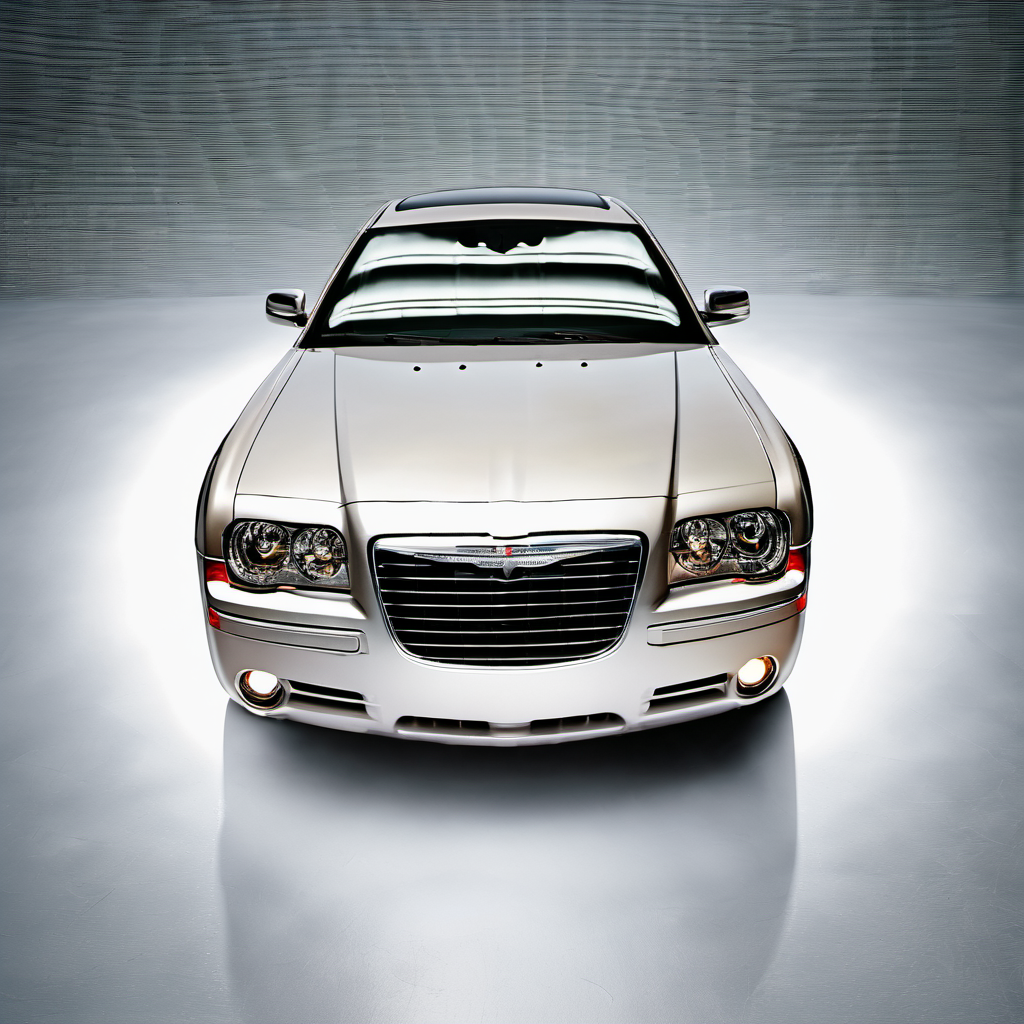
2005 Chrysler
Sedan
The 2005 Chrysler 300 was a landmark car for Chrysler — a bold, rear-wheel-drive-based full-size sedan that brought genuine style and performance back to an American brand that had been struggling for identity. Built on the Mercedes-Benz E-Class platform (a product of the DaimlerChrysler era), it offered rear- or all-wheel drive, a range of V6 and V8 engines, and a presence on the road that punched well above its price. The 3.5L V6 AWD variant — what you have here — was the practical choice for buyers who wanted the big-sedan look with all-season capability. By 2005, the 300 had already become a cultural touchstone. It was roomy, comfortable, and felt substantial in a way domestic sedans hadn't in years. The AWD system (sourced largely from Mercedes) adds mechanical complexity and maintenance cost compared to the base RWD models, but makes this car genuinely usable in Wisconsin winters. The flip side: these cars are now 20 years old, and deferred maintenance is rampant in the used market. The 3.5L V6 is a known quantity — durable but not indestructible, and it does not like long oil change intervals. Electronic gremlins from the Chrysler/Mercedes parts bin and suspension wear are the two areas that'll cost you the most at this age.
The 2005 Chrysler 300 was a landmark car for Chrysler — a bold, rear-wheel-drive-based full-size sedan that brought genuine style and performance back to an American brand that had been struggling for identity. Built on the Mercedes-Benz E-Class platform (a product of the DaimlerChrysler era), it offered rear- or all-wheel drive, a range of V6 and V8 engines, and a presence on the road that punched well above its price. The 3.5L V6 AWD variant — what you have here — was the practical choice for buyers who wanted the big-sedan look with all-season capability. By 2005, the 300 had already become a cultural touchstone. It was roomy, comfortable, and felt substantial in a way domestic sedans hadn't in years. The AWD system (sourced largely from Mercedes) adds mechanical complexity and maintenance cost compared to the base RWD models, but makes this car genuinely usable in Wisconsin winters. The flip side: these cars are now 20 years old, and deferred maintenance is rampant in the used market. The 3.5L V6 is a known quantity — durable but not indestructible, and it does not like long oil change intervals. Electronic gremlins from the Chrysler/Mercedes parts bin and suspension wear are the two areas that'll cost you the most at this age.
The 3.5L V6 is prone to oil sludge buildup when intervals are extended. At 20 years old, use a full synthetic and stick to the shorter interval. Check for sludge on the oil cap and dipstick at each change.
Most owners of this generation 300 never service these fluids. Neglected AWD hardware is a major failure point. If you don't know the last service date, drain and fill both now.
The 5-speed automatic in the AWD 300 is sensitive to fluid degradation. A drain-and-fill (not a flush) is preferred. Dark or burnt-smelling fluid means it's overdue.
Use the correct HOAT coolant specified by Chrysler. Mixing coolant types causes gel formation and accelerated corrosion in the 3.5L's aluminum heads.
The 3.5L does not use long-life iridium plugs from the factory. Worn plugs increase misfire risk and stress the ignition coils.
At 20 years old, suspension components are well past design life. Wisconsin salt accelerates bushing and ball joint deterioration. Have the full front and rear suspension inspected annually.
Brake fluid absorbs moisture over time, lowering boiling point and accelerating caliper corrosion — especially problematic after years of Wisconsin road salt exposure.
Brake lines, fuel lines, and subframe mounting points are corrosion-prone on upper Midwest examples. Catch rust perforation early — replacement brake and fuel lines are far cheaper than a failed subframe.
Always defer to the manufacturer's service manual for warranty-mandated intervals.
The 300 is not an expensive car to buy used, but it's not cheap to own if you do it right. Routine maintenance on the AWD drivetrain, aging suspension, and electronics adds up faster than a comparable front-wheel-drive sedan. Budget conservatively — an unexpected TIPM, suspension refresh, or AWD service can easily run $1,000–$2,000 in a single visit. If you stay on top of oil changes and drivetrain fluids, the engine itself should give you a long service life.
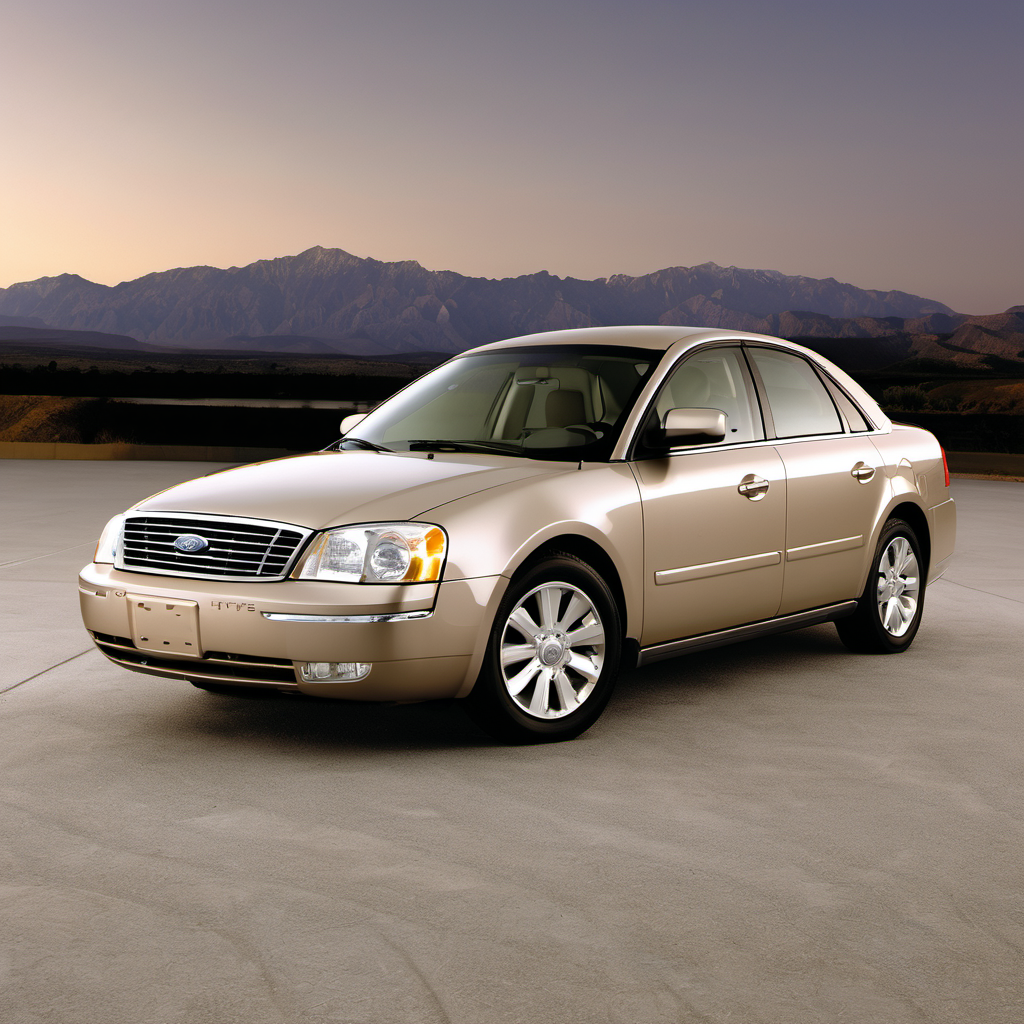
Same era, similar full-size sedan footprint and price point. AWD available, though less powerful. Much simpler and cheaper to maintain than the Mercedes-derived 300.
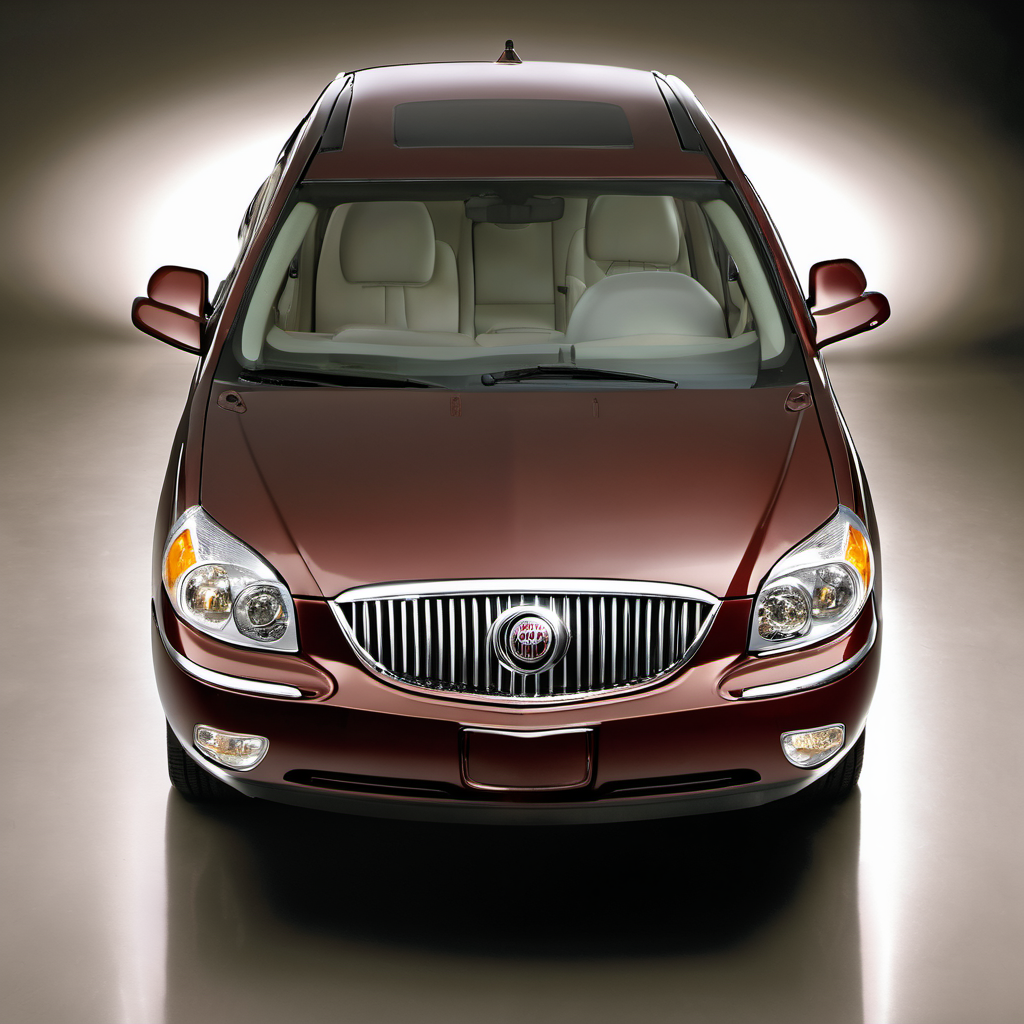
Full-size American sedan from the same period. Smoother ride, better reliability reputation, and lower maintenance costs — but less dramatic styling and no AWD option.
Shares the LX platform with the 300. Same drivetrain options and nearly identical maintenance profile, but in a sportier package. Parts interchangeability makes it a practical cross-shop.
No catalog match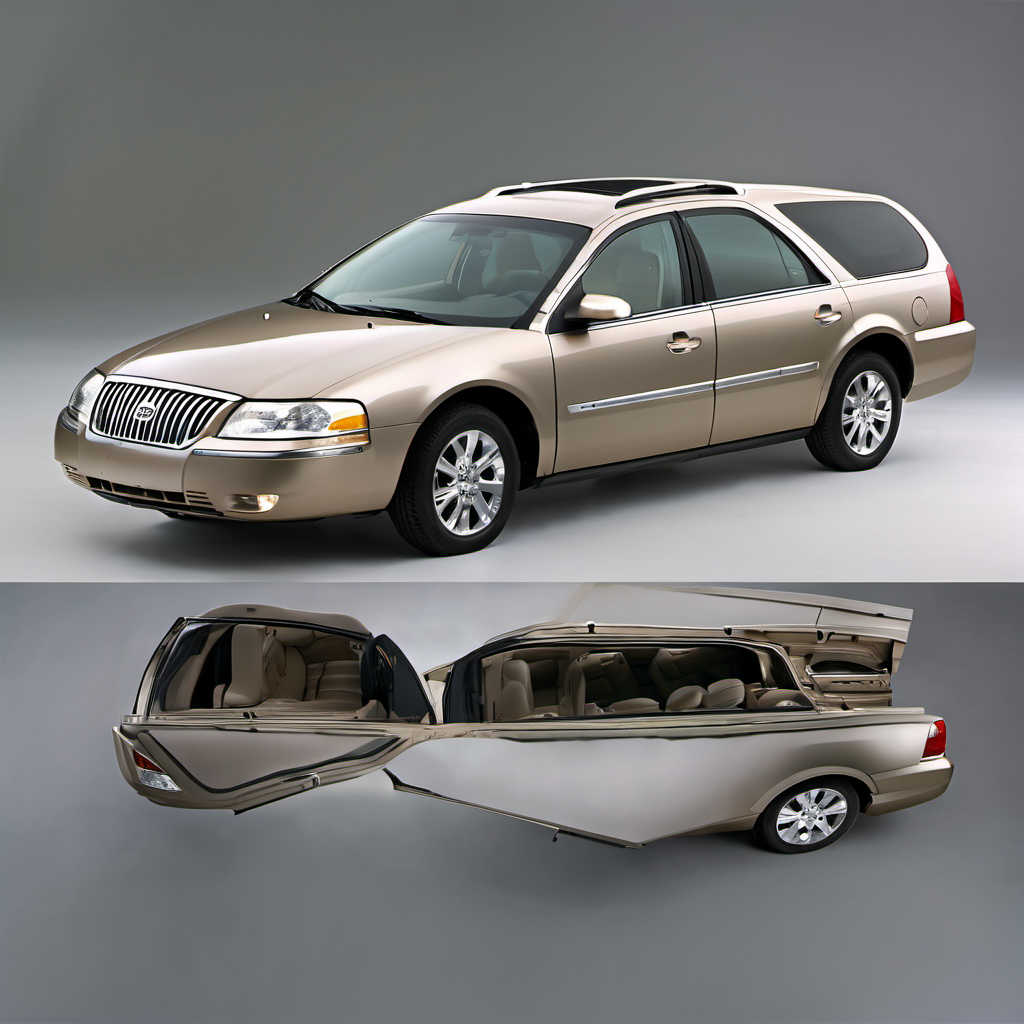
AWD full-size sedan at a similar used-market price. Shares the Five Hundred platform, so it's simpler and more fuel-efficient, but significantly less powerful and less stylish.