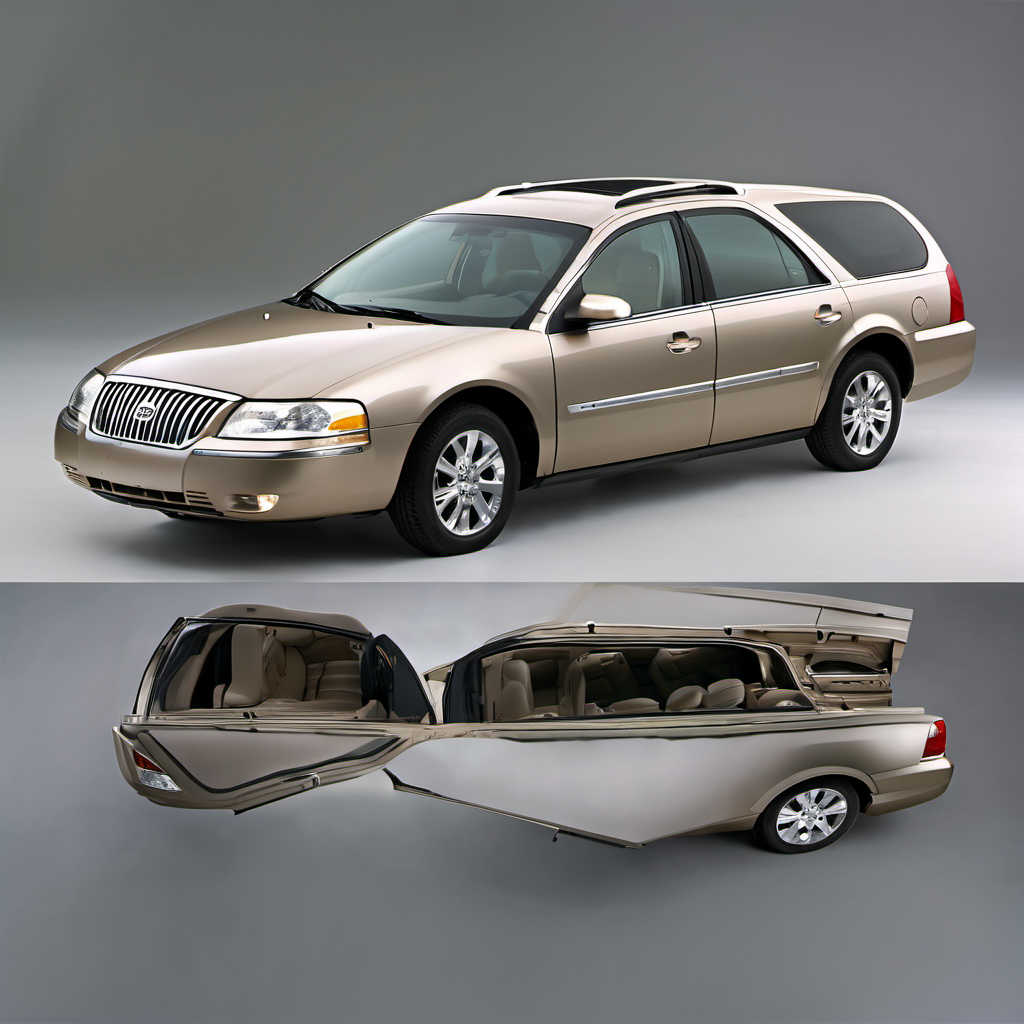
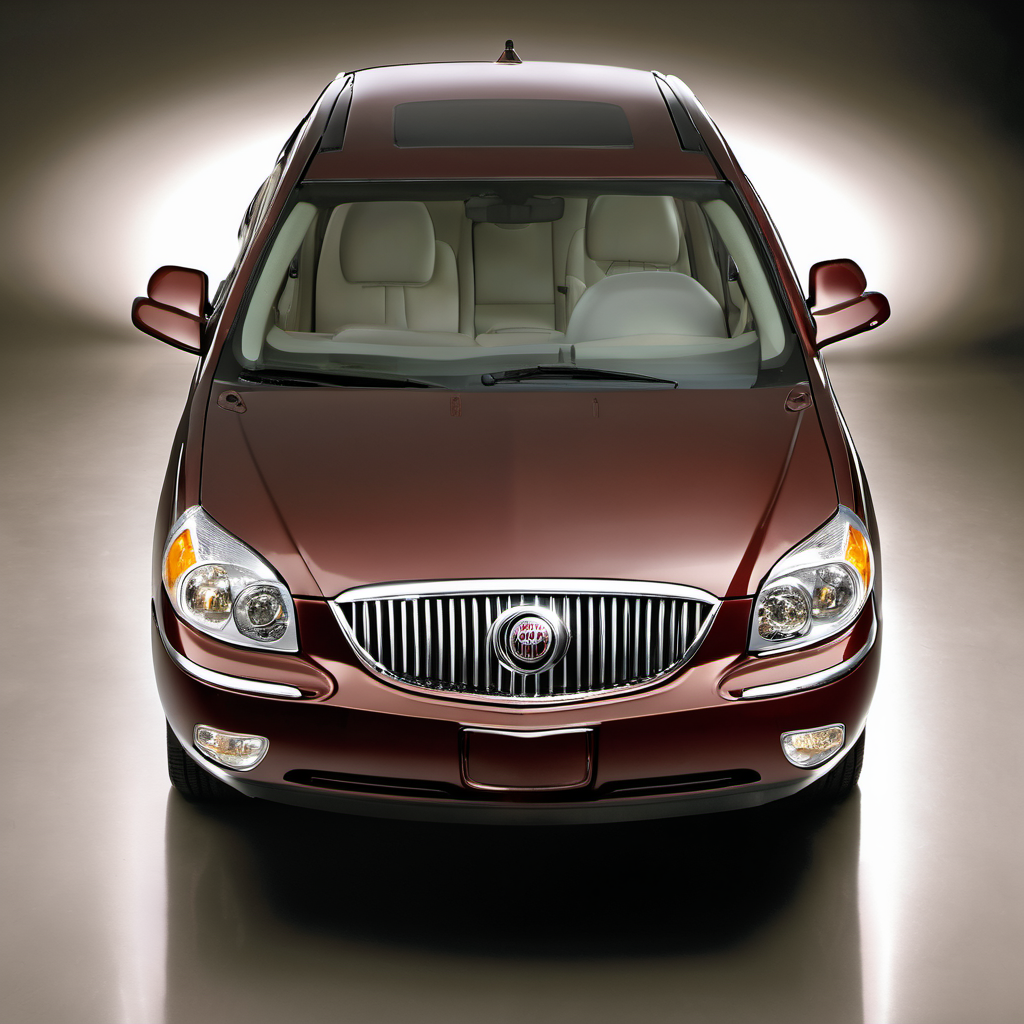
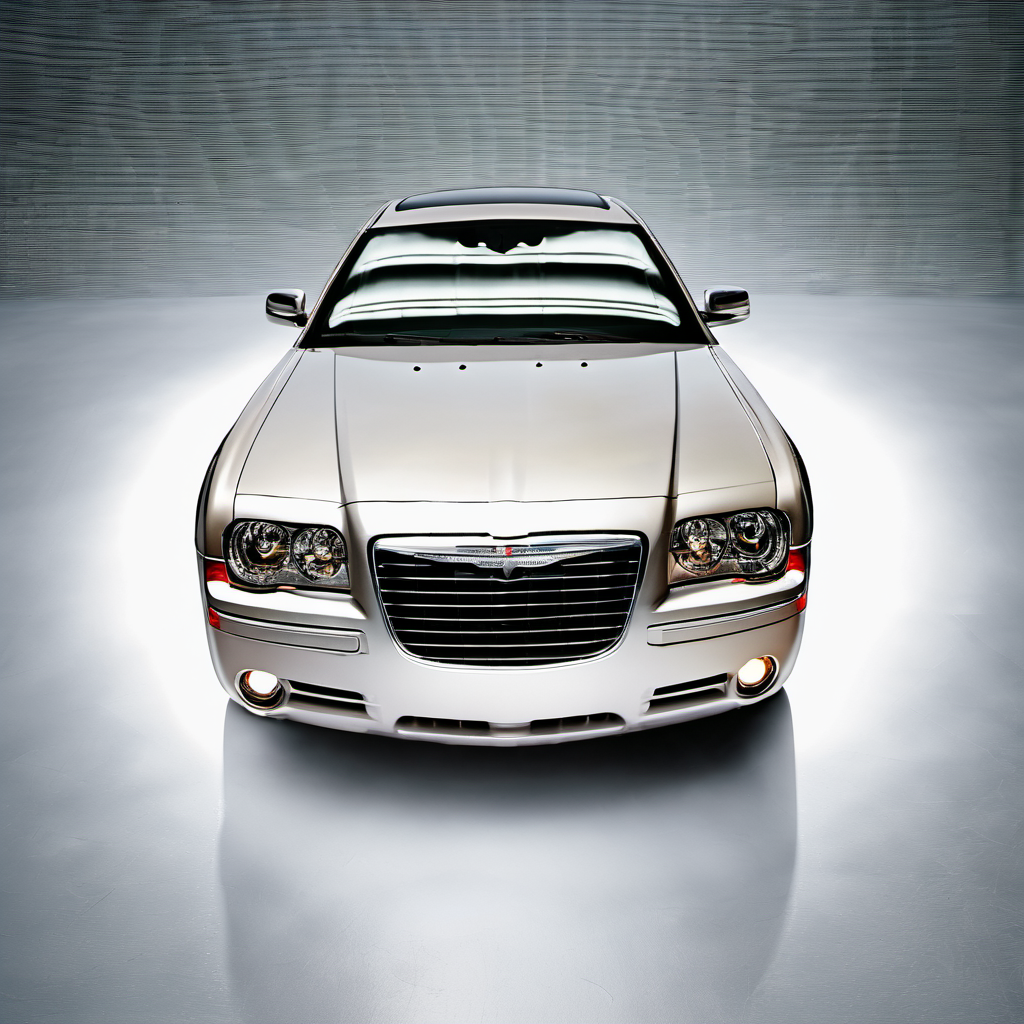
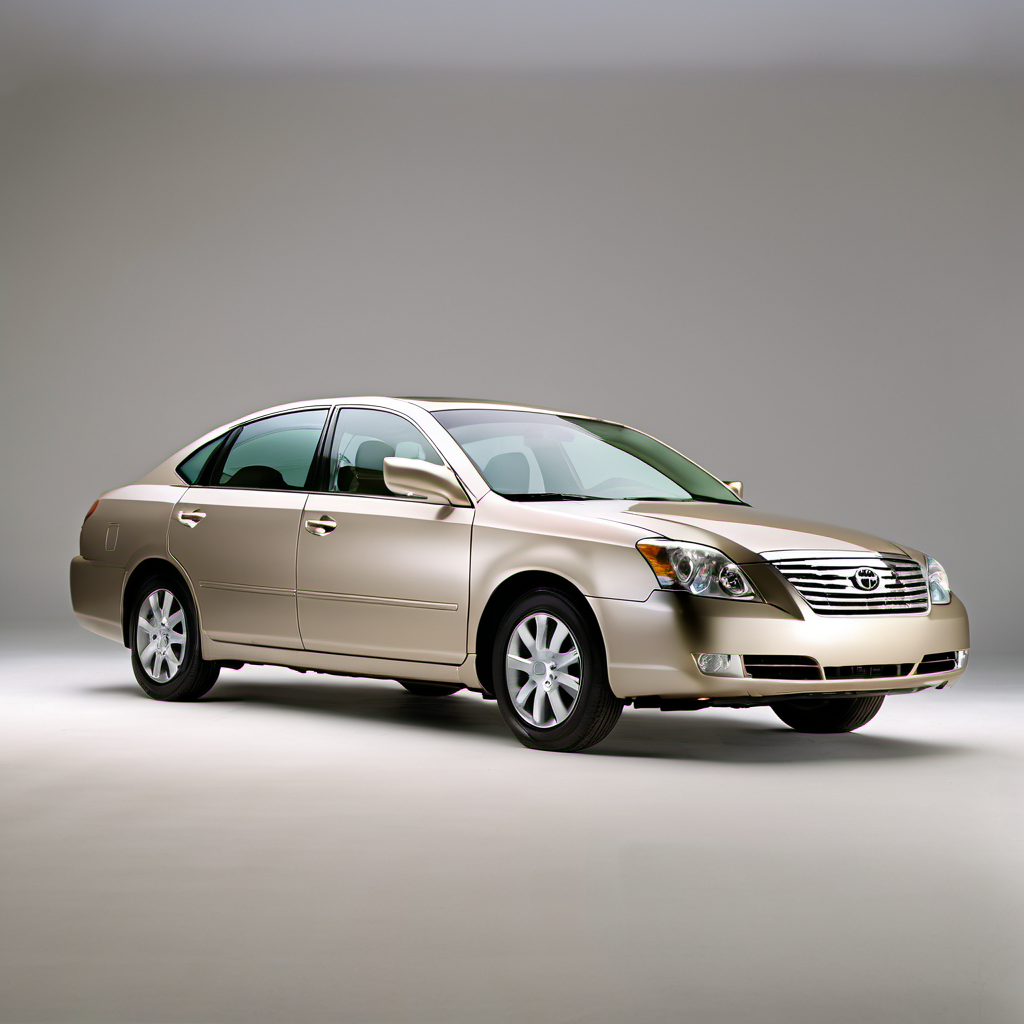
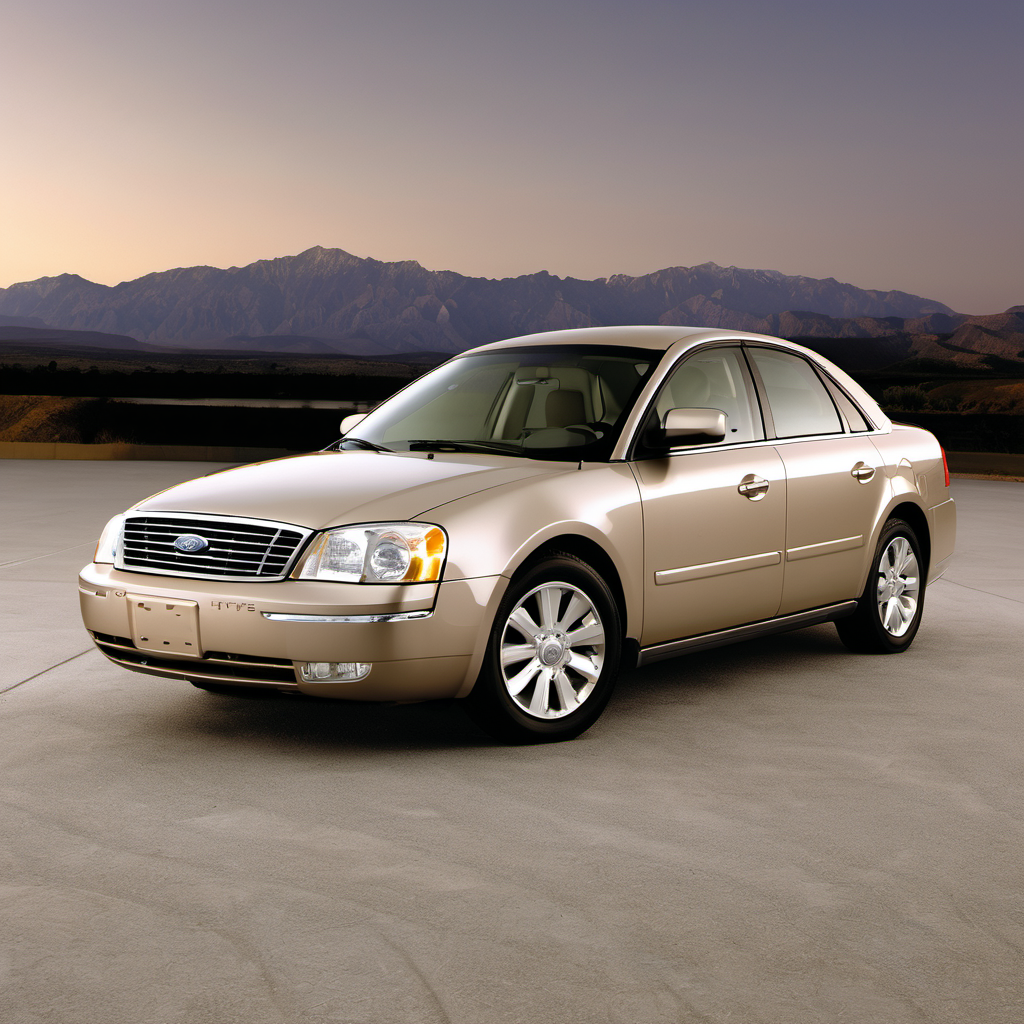
2005 Mercury Montego Sedan

2005 Mercury

MontegoSedan

Sedan

The 2005 Mercury Montego is a full-size front-wheel-drive or all-wheel-drive sedan built on Ford's D3 platform, shared with the Ford Five Hundred and Volvo S80. It replaced the aging Sable and was positioned as a near-luxury family sedan with a low beltline, tall roofline, and exceptional headroom. Mercury sold it for just three model years (2005–2007) before the entire brand was reorganized and the car was rebadged as the Ford Taurus in 2008. The Montego is a quiet, comfortable highway cruiser with a roomy cabin and a solid feeling on the road. The CVT-equipped FWD models were problematic; the AWD version pairs the 3.0L Duratec V6 with a conventional 6-speed automatic, which is a notably more reliable combination. If you're shopping a used Montego, the AWD trim is the one worth considering. As a Mercury, parts supply is adequate through Ford channels since most components are shared with the Five Hundred and later Taurus. The car was not a sales success, so the used-market price is low — but so is enthusiast support and DIY community depth.

Reliability
3/5
Verified data
Specs shown for Montego AWD — the most common configuration. Other trims may vary in engine, drivetrain, or fuel economy. Sign in to see your vehicle's exact specs.
Engine
[object Object]
Drivetrain
AWD
Fuel
Gasoline
MPG
17 city / 23 hwy / 19 combined
Seats
Doors
Body
Large Cars

Overview

AI-curated

The 2005 Mercury Montego is a full-size front-wheel-drive or all-wheel-drive sedan built on Ford's D3 platform, shared with the Ford Five Hundred and Volvo S80. It replaced the aging Sable and was positioned as a near-luxury family sedan with a low beltline, tall roofline, and exceptional headroom. Mercury sold it for just three model years (2005–2007) before the entire brand was reorganized and the car was rebadged as the Ford Taurus in 2008. The Montego is a quiet, comfortable highway cruiser with a roomy cabin and a solid feeling on the road. The CVT-equipped FWD models were problematic; the AWD version pairs the 3.0L Duratec V6 with a conventional 6-speed automatic, which is a notably more reliable combination. If you're shopping a used Montego, the AWD trim is the one worth considering. As a Mercury, parts supply is adequate through Ford channels since most components are shared with the Five Hundred and later Taurus. The car was not a sales success, so the used-market price is low — but so is enthusiast support and DIY community depth.

Known for
  • Exceptionally tall, airy cabin — best-in-class headroom for its era
  • Smooth, quiet highway manners
  • AWD system borrowed from Volvo, adds real winter traction
  • Low resale value — inexpensive to buy used
Best for
  • Tall drivers and rear-seat passengers who want headroom
  • Buyers needing AWD in a full-size sedan on a tight budget
  • Low-mileage highway commuters prioritizing comfort over performance
Watch for
  • CVT transmission on FWD models — expensive to replace, often fails before 100k
  • Throttle body carbon buildup causing rough idle and hesitation
  • Power steering hose leaks are common on higher-mileage examples
  • Orphaned brand — limited Mercury-specific parts; always verify Ford Five Hundred compatibility

Common issues by mileage

6 known

Throttle body carbon buildup — rough idle, hesitation, stalling

high
Typically appears
60–120k mi
Estimated repair
$80 – $180

Oxygen sensor heater circuit failure — check engine light, fuel trim issues

medium
Typically appears
80–130k mi
Estimated repair
$120 – $280

Power steering hose leaks — fluid loss, steering noise under load

high
Typically appears
80–150k mi
Estimated repair
$150 – $350

CAN bus / module communication faults — multiple warning lights, intermittent electronics

medium
Typically appears
100k+ mi
Estimated repair
$100 – $600

Rear wheel speed sensor or ABS module faults — ABS/traction control warning

medium
Typically appears
90–150k mi
Estimated repair
$120 – $350

Maintenance schedule

  1. 1
    Every 5,000–7,500 miles Engine oil and filter change — use 5W-20 full synthetic

    The Duratec V6's VCT phasers are oil-pressure dependent. Dirty or low oil accelerates phaser and solenoid wear, which is the most expensive engine repair on this car.

  2. 2
    Every 60,000 miles Transmission fluid change (6-speed automatic)

    Ford spec'd this as 'lifetime' fluid, but real-world experience says fluid darkens and degrades by 60k. Fresh Mercon LV fluid extends clutch pack life significantly.

  3. 3
    Every 40,000–50,000 miles or at first sign of rough idle Throttle body cleaning

    The Duratec V6 is prone to carbon buildup on the throttle plate. A simple cleaning prevents the rough idle and hesitation complaints that alarm many owners.

  4. 4
    Every 15,000 miles or at each oil change Power steering fluid level and hose inspection

    High-pressure hoses crack with age. Catching a seep early is a $200 fix; ignoring it can run the pump dry and turn it into a $600+ job.

  5. 5
    Every 60,000 miles Spark plugs (Motorcraft spec, platinum or iridium)

    Worn plugs on a V6 with VCT cause misfires that can trigger camshaft timing codes — leading to an expensive diagnostic detour before the real cause is found.

  6. 6
    Every 30,000 miles AWD rear differential fluid check

    The Haldex-based AWD rear unit is often overlooked. Low or degraded fluid leads to premature coupling wear and shudder under AWD engagement.

  7. 7
    Every 5 years or 100,000 miles Coolant flush (Motorcraft Gold/yellow antifreeze)

    Old coolant becomes acidic and attacks the water pump and heater core. Wisconsin winters make a functional heater non-negotiable.

  8. 8
    Every fall (annually if battery is 4+ years old) Battery load test

    A battery that passes a voltage check in summer can fail a cold-cranking amps test before the first hard freeze. The 3.0L cranks smoothly when healthy, but a weak battery will leave you stranded at -10°F.

Always defer to the manufacturer's service manual for warranty-mandated intervals.

Cost of ownership

Annual maintenance
$600 – $1,400
Fuel
At 19 MPG combined and typical Wisconsin driving, expect roughly $2,000–$2,600/year at current mid-grade fuel prices assuming 12,000–15,000 miles annually.
Insurance
Low — the Montego's minimal theft appeal, low sticker value, and full-size safety ratings keep insurance premiums modest. Expect roughly $800–$1,200/year for full coverage on a clean driver profile.

This is a cheap car to own if it's been maintained. Parts are Ford-sourced and widely available. The big risk items — VCT solenoids, oxygen sensors, and the AWD rear unit — are all manageable if caught early. Neglected examples can surprise you with $1,500+ repair bills quickly, so a pre-purchase inspection is money well spent.
Seasonal care

Lake Geneva, WI
Winter
  • Switch to full synthetic 5W-20 if not already running it — cold-start oil pressure reaches the VCT solenoids faster and protects the phasers at sub-zero temps.
  • Load-test the battery every fall. The 3.0L V6 needs strong cold-cranking amps; anything below spec should be replaced before December.
  • Flush and fill the coolant system with a 50/50 mix rated to at least -34°F — verify freeze protection with a tester, not a guess.
  • Top off the AWD rear differential with fresh fluid before winter. The Haldex coupling engages on slippery roads; it needs clean fluid to do its job.
  • Install winter wiper blades and use -20°F or colder rated washer fluid. The low hood line means the wipers take a beating from road spray.
  • Rinse the undercarriage every 1–2 weeks during salting season. The subframe, brake lines, and AWD prop shaft are all vulnerable to Wisconsin road salt.
Summer
  • Check tire pressure every 2–3 weeks — ambient temperature swings in Lake Geneva cause pressure to fluctuate roughly 1 PSI per 10°F, and this car's wide tires are sensitive to underinflation.
  • Inspect the A/C system for refrigerant leaks and verify cabin filter is clean — the tall glasshouse traps heat quickly when parked.
  • Check power steering fluid level and inspect hoses for cracking — summer heat accelerates hose degradation on this generation.
  • Verify coolant level and inspect hoses for softness or swelling before any long road trips.

Comparable vehicles

If you're shopping for one

Red flags
  • Any CVT — if the VIN or window sticker shows FWD, confirm it's not CVT-equipped before buying. A failing CVT costs more than the car is worth.
  • Check engine light with P0012, P0015, P0022, or P0025 codes stored — these camshaft timing codes on a high-mileage car can indicate worn phasers, not just a bad solenoid.
  • U0100–U0104 network communication codes with no clear recent repair history — module failures on an orphaned brand can be a diagnostic money pit.
  • Rust on the subframe, rear suspension cradle, or brake lines — Wisconsin salt is brutal and this platform sits low.
  • No maintenance records at all — the VCT system's health is entirely dependent on oil change discipline. No records = assume the worst.
What to inspect
  • Pull transmission fluid — should be pink/red and not smell burnt. Dark or brown fluid on the 6-speed automatic means deferred maintenance.
  • Check for VCT/phaser noise at cold start: a brief ticking that disappears within 5–10 seconds is marginal; ticking that persists means the oil circuit is already compromised.
  • Inspect the AWD rear differential for leaks at the pinion seal and axle seals — fluid on the subframe underneath is a red flag.
  • Test every power window and the power seat — switches and motors are aging on all 2005 examples and replacements can be hard to source.
  • Verify the A/C blows cold and that the blend door actuator cycles correctly (no clicking or stuck temperature zones).
  • Look for power steering fluid residue on hoses and the rack — even a 'fixed' leak may reappear quickly.
AI profile generated 5 days ago · claude-sonnet-4-6 · v2.