VTC Actuator / Timing Chain Wear (VQ35DE)
high- Typically appears
- 80–150k mi
- Estimated repair
- $800 – $2,200
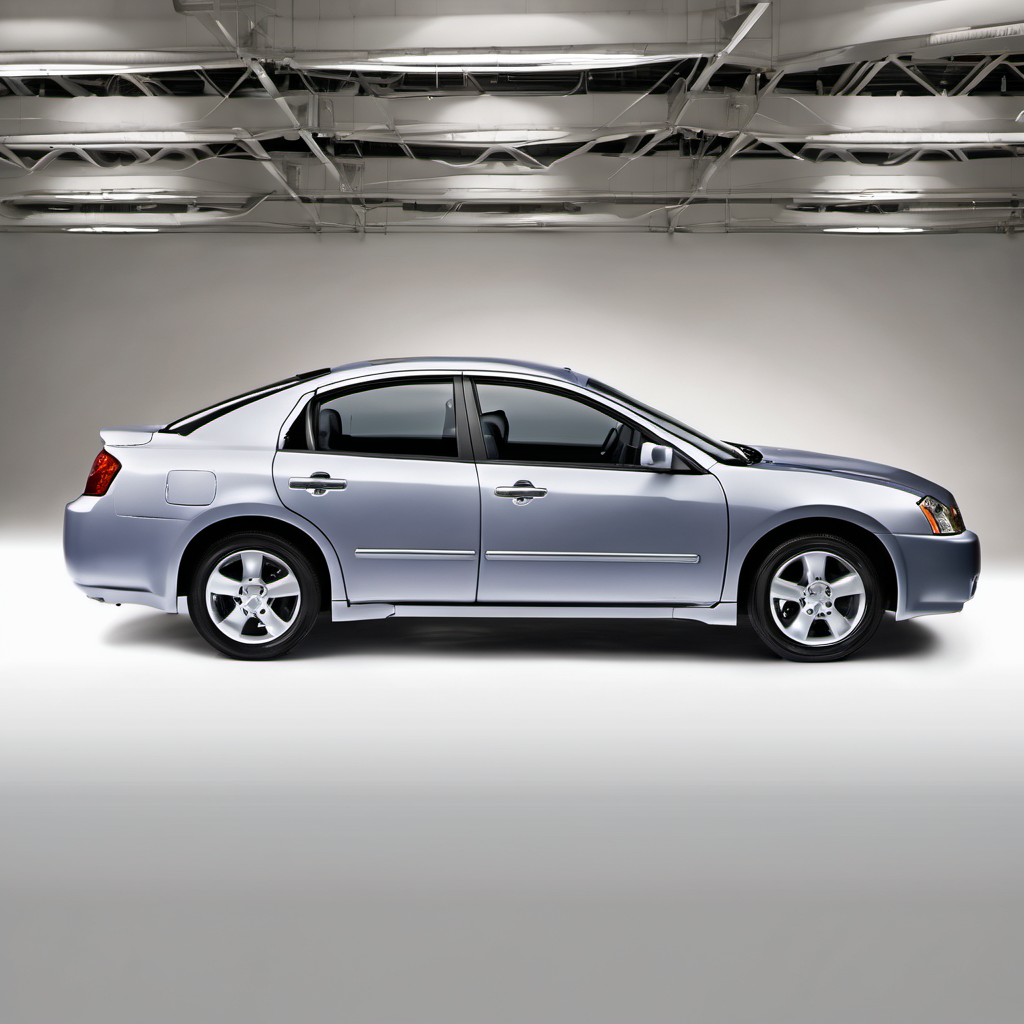
2005 Nissan
Sedan
The 2005 Nissan Maxima is a sixth-generation (A34) front-wheel-drive sport sedan powered by Nissan's proven 3.5L VQ35DE V6. In its day, it was marketed as a '4-Door Sports Car,' and it earned that nickname with 265 horsepower, sharp steering, and an available 6-speed manual. It slots above the Altima and was Nissan's flagship sedan before the Altima grew up. By 2025, a well-maintained example is pushing 20 years old. These cars can rack up serious mileage when the VQ engine is fed clean oil on schedule, but deferred maintenance — especially oil changes — accelerates camshaft and timing chain wear in a hurry. Budget-minded buyers will find good value here, but a pre-purchase inspection is non-negotiable at this age. For Lake Geneva drivers, the FWD layout handles Wisconsin winters reasonably well with quality snow tires, but the low ground clearance and wide body mean deep snow is a real limitation. Rust inspection of the subframe, brake lines, and rocker panels is critical on any Midwest example.
The 2005 Nissan Maxima is a sixth-generation (A34) front-wheel-drive sport sedan powered by Nissan's proven 3.5L VQ35DE V6. In its day, it was marketed as a '4-Door Sports Car,' and it earned that nickname with 265 horsepower, sharp steering, and an available 6-speed manual. It slots above the Altima and was Nissan's flagship sedan before the Altima grew up. By 2025, a well-maintained example is pushing 20 years old. These cars can rack up serious mileage when the VQ engine is fed clean oil on schedule, but deferred maintenance — especially oil changes — accelerates camshaft and timing chain wear in a hurry. Budget-minded buyers will find good value here, but a pre-purchase inspection is non-negotiable at this age. For Lake Geneva drivers, the FWD layout handles Wisconsin winters reasonably well with quality snow tires, but the low ground clearance and wide body mean deep snow is a real limitation. Rust inspection of the subframe, brake lines, and rocker panels is critical on any Midwest example.
The VQ35DE's VTC actuators and timing chain tensioners depend on clean oil pressure. This is the single most important maintenance item on this engine. Stretching intervals even slightly accelerates sludge buildup and costly timing system wear.
The timing chain and variable valve timing components are wear items on high-mileage examples. A brief rattle on cold start that clears within 2–3 seconds is an early warning sign. Address it early — a chain job is far cheaper than engine damage.
The VQ35 is a 24-valve V6 with two banks; all 6 plugs must be replaced as a set. Worn plugs stress the ignition coils and degrade fuel economy. Stick to the factory plug specification — the combustion chamber geometry is sensitive to plug heat range.
Degraded coolant becomes acidic and attacks aluminum engine components and the heater core. Use Nissan-compatible long-life coolant (green or blue-green — confirm compatibility). This is especially important before Wisconsin winter.
Brake fluid absorbs moisture over time, lowering boiling point and promoting internal corrosion. On a Midwest car this old, inspect all steel brake lines for rust and pitting during every flush.
Nissan's 5-speed automatic is durable but not sealed-for-life. Fresh fluid prevents clutch pack wear and valve body deposits. Many used examples have neglected transmissions — a drain-and-fill is cheap insurance.
Lake Geneva roads are heavily salted. Steel brake lines, the subframe, and exhaust hangers are all vulnerable. Catching a seeping brake line before it ruptures is a safety issue, not just a maintenance item.
Cold-cranking the VQ35DE at -10°F demands a strong battery. A battery that passes a summer load test can still fail at sub-zero temps. Test it in October, not January.
Always defer to the manufacturer's service manual for warranty-mandated intervals.
At its current used-market value ($4,000–$8,000), the 2005 Maxima is an affordable entry point. Routine maintenance costs are moderate, but one deferred repair — timing chain, catalytic converters, or major rust remediation — can easily exceed the car's value. Budget for unexpected repairs and build an emergency fund. The car rewards disciplined ownership and punishes neglect.
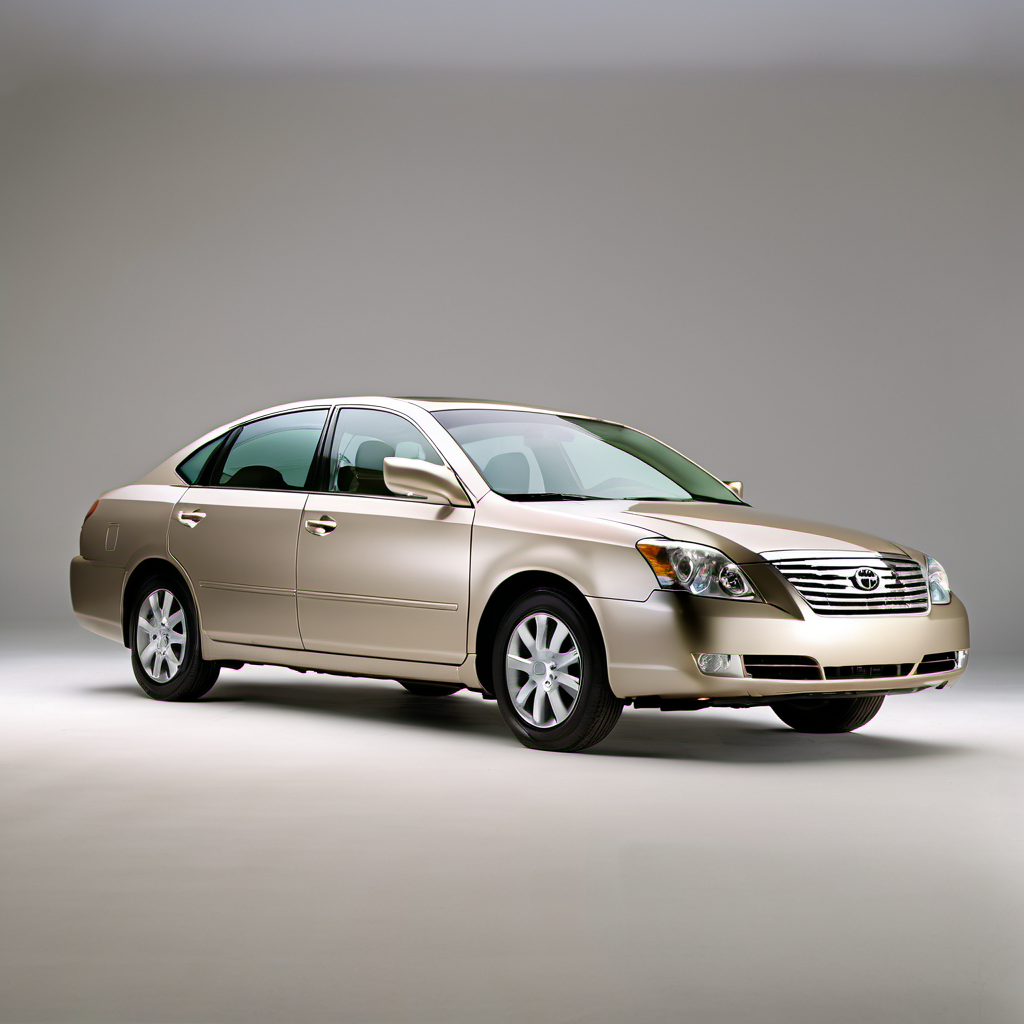
Same era, V6 front-wheel-drive sedan, similar price on the used market. The Avalon is roomier and has a stronger reliability reputation but lacks the Maxima's sporting edge.
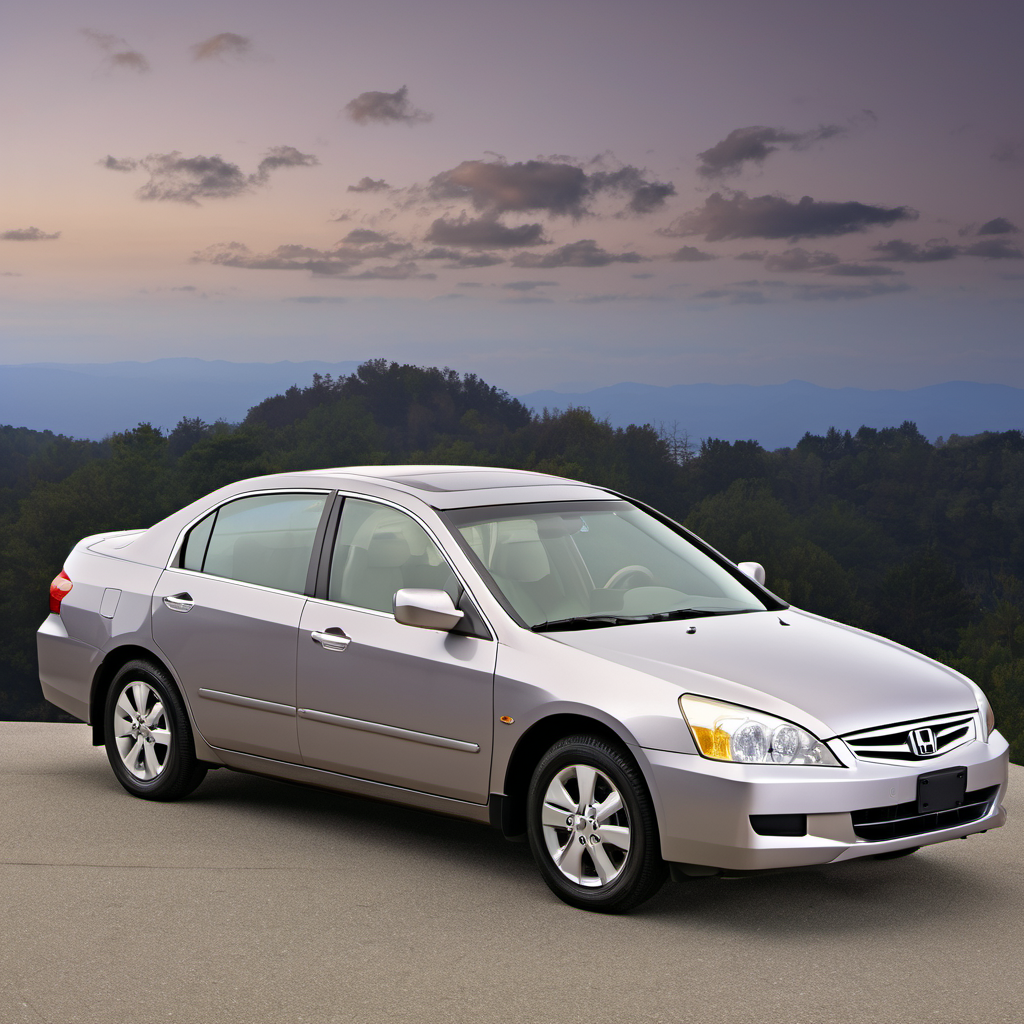
The 3.0L V6 Accord is a direct segment rival — slightly smaller, similarly priced used, and arguably easier to find well-maintained examples. Honda's reliability reputation at this age is marginally stronger.
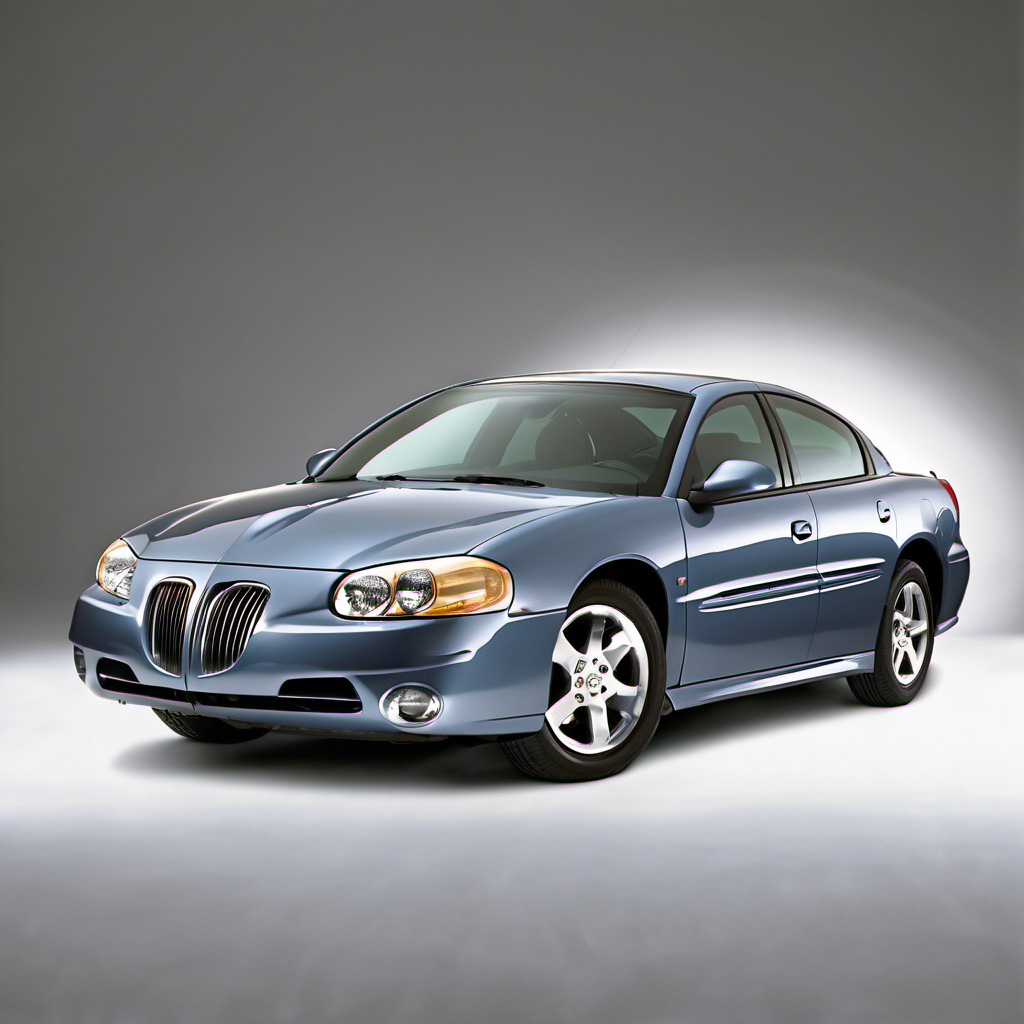
V8-optioned trim aside, the Grand Prix GXP is a comparable FWD sport sedan in the same price range. It offers similar performance character but has worse long-term reliability and harder-to-find parts.
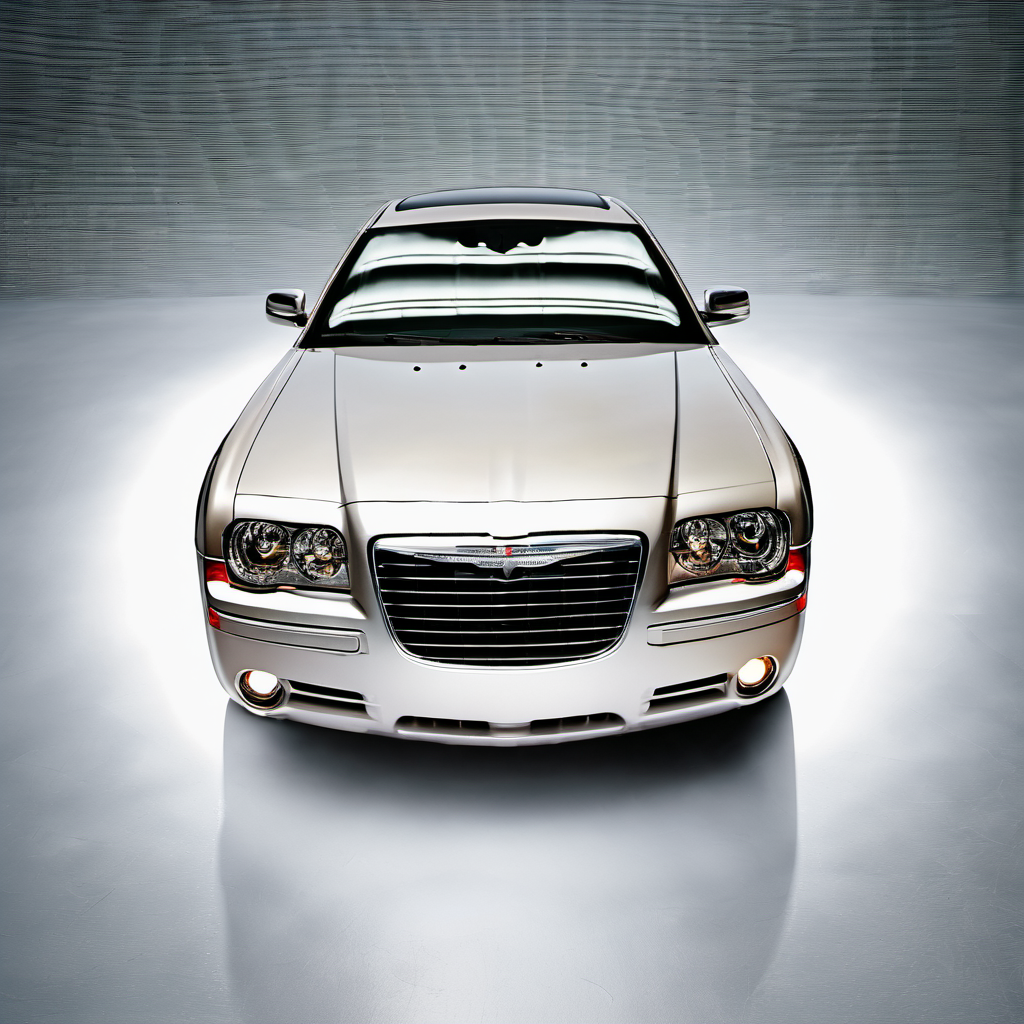
RWD V6 or V8, similar used price, more interior room. The 300 offers a very different driving character and standard RWD is better in some winter scenarios with proper tires, but parts and maintenance costs run higher.