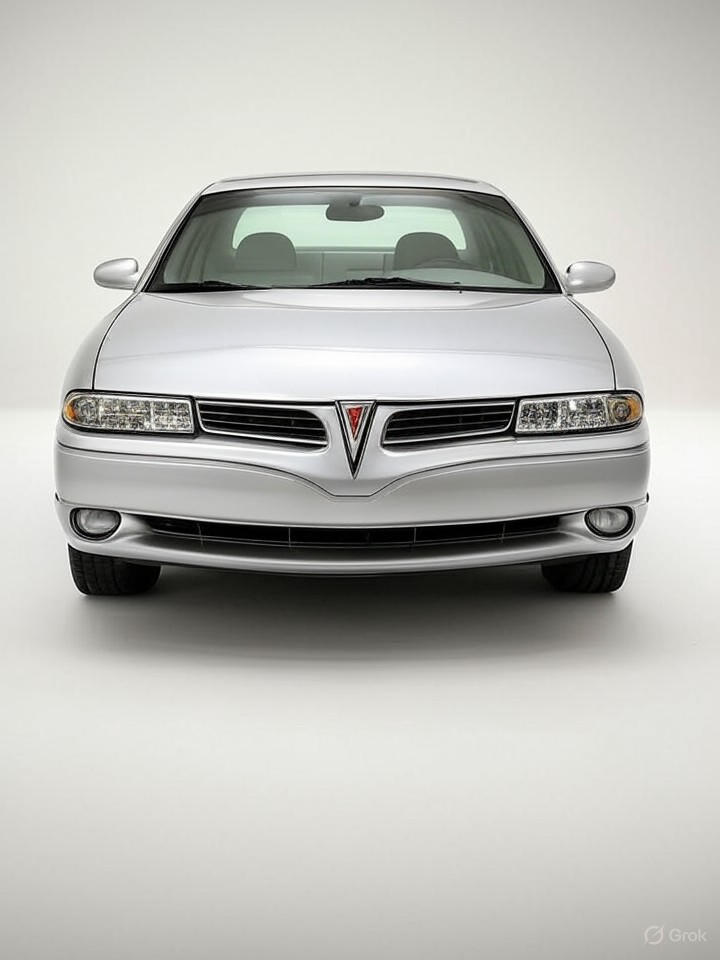
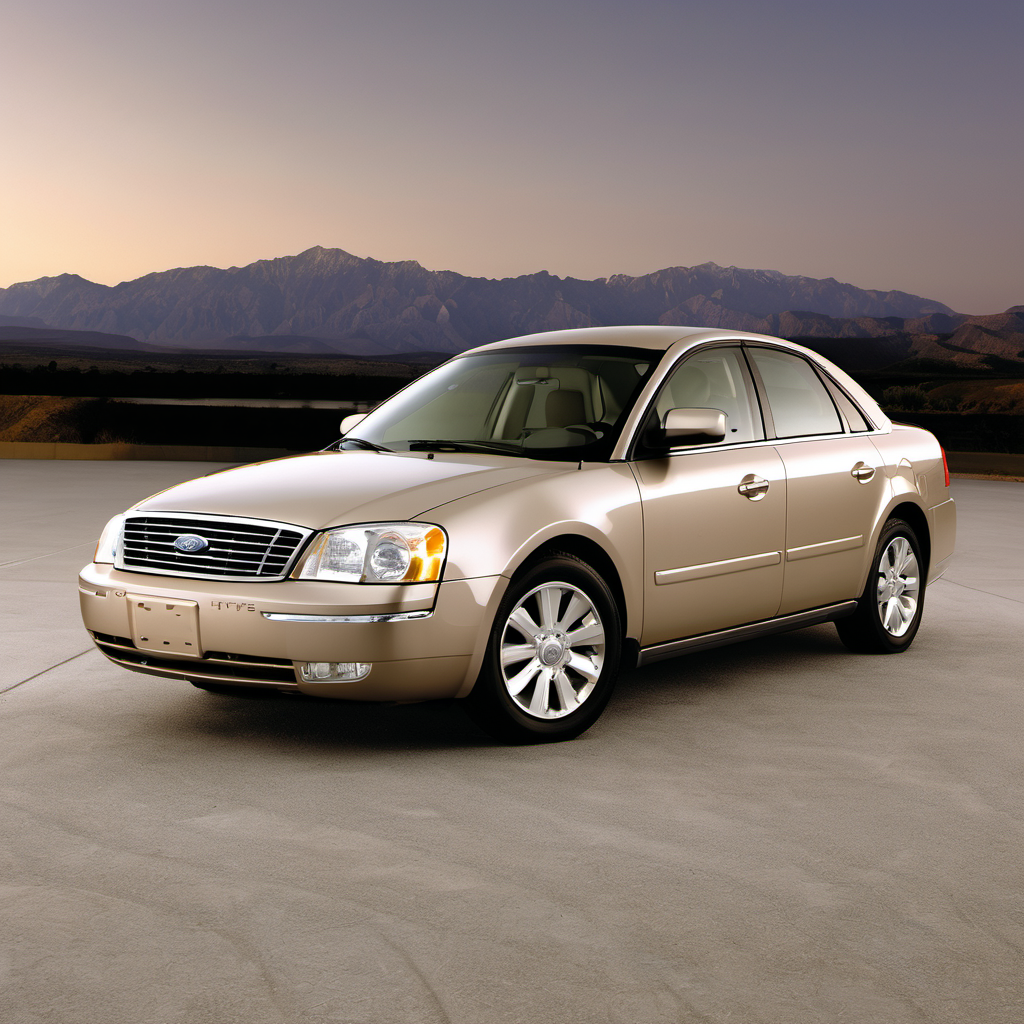
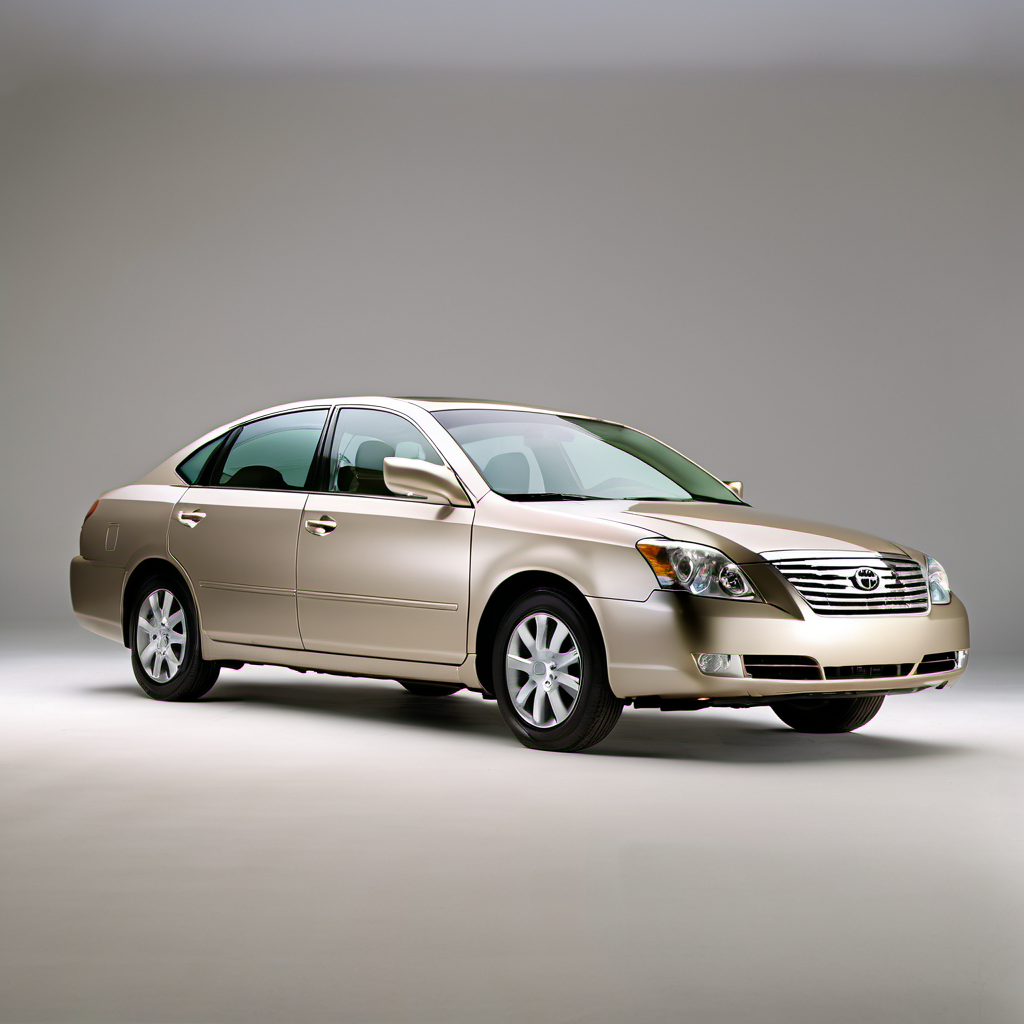
2005 Pontiac Bonneville Sedan

2005 Pontiac

BonnevilleSedan

Sedan

The 2005 Pontiac Bonneville is a full-size front-wheel-drive sedan built on GM's G-body platform. It was one of Pontiac's flagship cars — roomy, comfortable, and powered by GM's proven 3800 Series III V6. By 2005, the Bonneville had been refined over decades into a capable highway cruiser with a well-sorted suspension and a genuinely durable powertrain. The 3800 V6 (3.8L) is one of GM's most celebrated engines, known for outlasting the rest of the car with proper maintenance. The base GXP trim also offered the Northstar V8, but the 3800-equipped SE and GXP V6 are the most common and the most reliable configurations you'll find on the used market. By 2005 Pontiac was already winding down the Bonneville line — the model was discontinued after this year. That means parts availability is declining for some trim-specific items, though mechanically the 3800 engine and 4T65-E transmission share components with millions of other GM vehicles, keeping mechanical repairs accessible and affordable.

Reliability
3/5
Verified data
Specs shown for Bonneville — the most common configuration. Other trims may vary in engine, drivetrain, or fuel economy. Sign in to see your vehicle's exact specs.
Engine
[object Object]
Drivetrain
FWD
Fuel
Gasoline
MPG
18 city / 27 hwy / 21 combined
Seats
Doors
Body
Large Cars

Overview

AI-curated

The 2005 Pontiac Bonneville is a full-size front-wheel-drive sedan built on GM's G-body platform. It was one of Pontiac's flagship cars — roomy, comfortable, and powered by GM's proven 3800 Series III V6. By 2005, the Bonneville had been refined over decades into a capable highway cruiser with a well-sorted suspension and a genuinely durable powertrain. The 3800 V6 (3.8L) is one of GM's most celebrated engines, known for outlasting the rest of the car with proper maintenance. The base GXP trim also offered the Northstar V8, but the 3800-equipped SE and GXP V6 are the most common and the most reliable configurations you'll find on the used market. By 2005 Pontiac was already winding down the Bonneville line — the model was discontinued after this year. That means parts availability is declining for some trim-specific items, though mechanically the 3800 engine and 4T65-E transmission share components with millions of other GM vehicles, keeping mechanical repairs accessible and affordable.

Known for
  • GM 3800 Series III V6 — one of the most durable engines of its era
  • Spacious, comfortable full-size interior with firm highway ride
  • Strong highway fuel economy for its size
  • Shared mechanical DNA with Buick LeSabre and Park Avenue — easy to find shop-compatible parts
Best for
  • Highway commuters who want a large, comfortable sedan on a budget
  • Owners who prioritize mechanical simplicity and DIY-friendly repairs
  • Someone who needs a roomy back seat without crossover prices
  • Buyers comfortable maintaining an older domestic vehicle
Watch for
  • Intake manifold lower gasket failure — extremely common on 3800 engines at higher miles
  • Supercharged (SC) variants have additional complexity and higher repair costs
  • Being the last model year, some Bonneville-specific trim and interior parts are getting hard to source
  • Cooling system neglect accelerates gasket failures — always check coolant condition

Common issues by mileage

6 known

Intake Manifold Lower Gasket Leak

high
Typically appears
80–130k mi
Estimated repair
$350 – $650

Crankshaft Position Sensor Failure

medium
Typically appears
80–150k mi
Estimated repair
$120 – $250

Transmission Cooler Line Leak (4T65-E)

high
Typically appears
100–160k mi
Estimated repair
$150 – $350

Power Steering Rack Leak or Failure

medium
Typically appears
100–150k mi
Estimated repair
$400 – $750

Maintenance schedule

  1. 1
    Every 2 years or 30k miles Coolant flush and inspection

    Degraded coolant is the #1 accelerator of intake manifold gasket failure on the 3800. Fresh Dex-Cool at the correct concentration is non-negotiable on this engine.

  2. 2
    At every major coolant service; visually check for oily residue around lower intake edges Intake manifold gasket inspection

    The plastic lower intake manifold uses rubber-edged gaskets that deteriorate with age and heat cycles. Early detection avoids a hydrolocked engine.

  3. 3
    Every 30–40k miles if used-car history is unknown Transmission fluid change (4T65-E)

    GM spec calls for longer intervals but real-world ownership often means neglected fluid. Dark or burnt-smelling fluid in a 100k+ mile car should be changed immediately.

  4. 4
    Every 60k miles (platinum plugs standard) Spark plugs and wires

    The 3800 Series III is not prone to misfires when maintained, but worn plugs and cracked plug wires cause rough idle and wasted fuel on an otherwise smooth engine.

  5. 5
    Every 60–80k miles or at first sign of cracking Serpentine belt and tensioner

    Belt failure strands you; tensioner wear causes belt noise and slipping. These are inexpensive and accessible on the 3800.

  6. 6
    Every oil change Power steering fluid check

    The rack on the Bonneville is prone to slow leaks as o-rings age. Catching low fluid early prevents pump damage.

  7. 7
    Every fall before Wisconsin winter Battery load test

    A battery that passes a basic voltage test in summer can fail to start a cold-soaked car at -10°F. Load testing in September/October prevents winter no-starts.

  8. 8
    Every 2–3 years Brake fluid flush

    Brake fluid absorbs moisture over time, lowering boiling point and promoting internal caliper corrosion — a real concern on a car exposed to Wisconsin road salt.

Always defer to the manufacturer's service manual for warranty-mandated intervals.

Cost of ownership

Annual maintenance
$600 – $1,400
Fuel
At 21 mpg combined and typical mixed driving, expect roughly $1,800–$2,400/year at current mid-grade Wisconsin pump prices. Highway driving brings that down noticeably.
Insurance
Full coverage on a 2005 Bonneville typically runs $900–$1,400/year in the Lake Geneva area depending on driving record and deductibles. Liability-only on an older unit can drop below $600.

This is a low-cost car to own if the intake gaskets and cooling system are in good shape. Routine maintenance is cheap because the 3800 uses widely available parts. Budget for one or two larger repairs per year as the car ages — gaskets, cooling, and trans lines are the most likely culprits. Avoid the supercharged variant unless you're prepared for higher repair complexity.
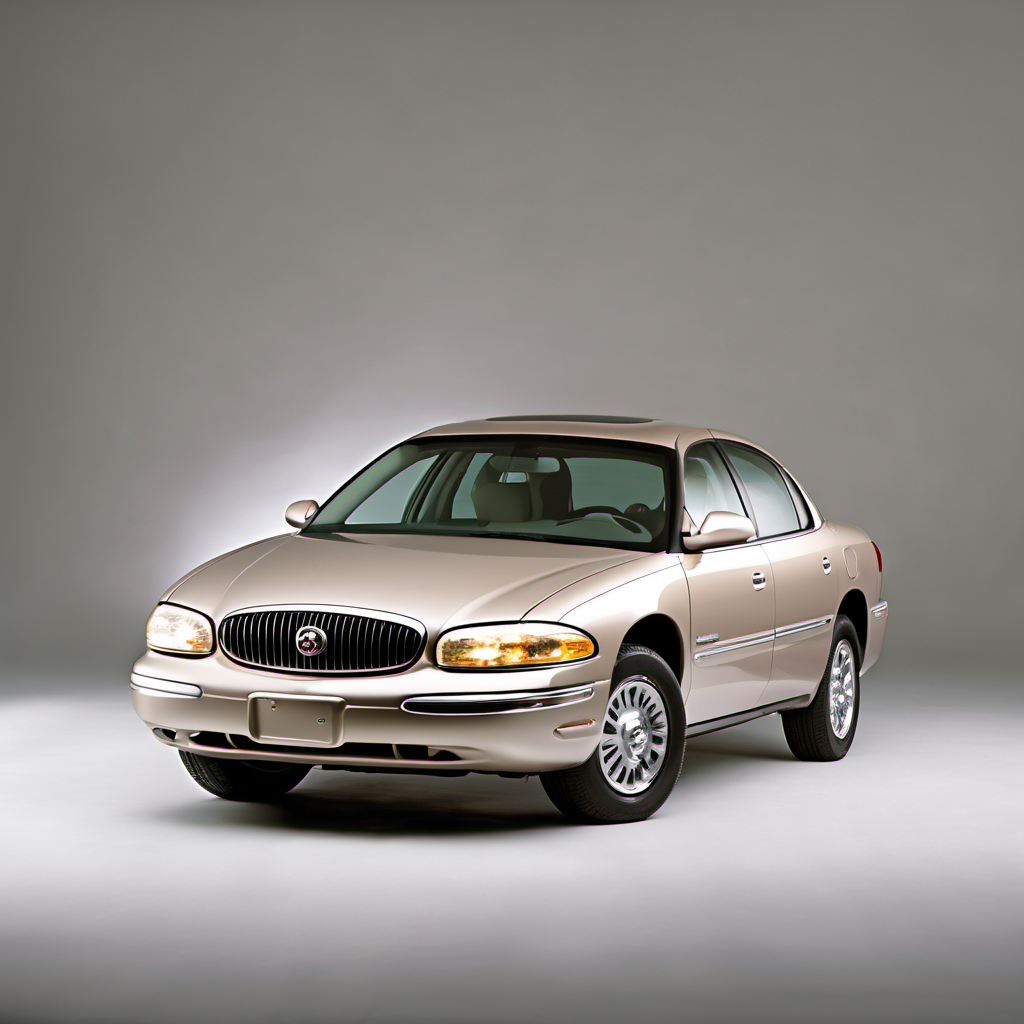
Seasonal care

Lake Geneva, WI
Winter
  • Load-test the battery every October — cold starts on a weak battery are hard on the starter and can leave you stranded at Lake Geneva temps that regularly hit -10°F to -20°F.
  • Switch to a winter-rated washer fluid (rated to at least -20°F) and keep the reservoir full; the Bonneville's long hood puts the washer nozzles far from the heat.
  • Inspect undercarriage and brake lines for rust and salt corrosion each fall — the 3800's cooling lines and trans cooler lines run underneath and are exposed to heavy road brine.
  • Use a block heater if available or park in a garage when temps drop below 0°F — cold starts at extreme temps strain the 3800's seals and thicken the trans fluid.
  • Check tire pressure monthly; pressure drops ~1 PSI for every 10°F of temperature drop and underinflated tires reduce the Bonneville's already-modest winter traction.
  • Verify that the cooling system antifreeze protection is good to at least -34°F before November — a 50/50 Dex-Cool mix is the minimum.
Summer
  • Watch the temperature gauge on hot days, especially in stop-and-go traffic — a car with aging intake gaskets or a marginal thermostat will show early signs of overheating under heat soak.
  • Check A/C system refrigerant and cabin filter before summer; the Bonneville's R-134a system can develop slow leaks at older hose connections.
  • Inspect the serpentine belt for heat cracking each spring — Wisconsin's freeze-thaw cycles accelerate belt deterioration.
  • Check tire pressure monthly in summer as well; heat increases pressure and an overinflated tire reduces wet-road grip on summer thunderstorm roads.

Comparable vehicles

If you're shopping for one

Red flags
  • Milky or foamy oil or coolant — walk away; this indicates a blown head or intake gasket and possible internal engine damage.
  • Any sign of recent overheating (warped hood paint, cracked reservoir, replacement thermostat housing) — may indicate head gasket damage that wasn't fully addressed.
  • Transmission that slips, shudders, or clunks when shifting — the 4T65-E is rebuildable but a worn unit can cost $1,200–$2,500 to address.
  • Missing service records on a high-mileage example — cooling system neglect is the single biggest killer of these cars and there's no way to assess it without records or a full inspection.
  • Supercharged (SC) badge with unknown service history — the supercharger adds oil service requirements many owners skip, and repairs are significantly more expensive.
What to inspect
  • Pull the oil dipstick and look for a milky, caramel-colored residue — this is coolant mixing with oil from a failed lower intake gasket and is a major red flag.
  • Check the coolant reservoir for an oily film on the cap or along the neck — another early sign of intake gasket leakage.
  • Warm the engine fully and watch for overheating at idle; a marginal thermostat or radiator shows up quickly in stop-and-go conditions.
  • Check all four transmission cooler line connections under the car for wet spots, dried fluid stains, or rust at the fittings.
  • Scan for stored and pending DTCs before purchase — a $20 OBDII scan can reveal hidden oxygen sensor, network, or timing faults.
  • Inspect the undercarriage and rocker panels for rust perforation — these cars were often daily-driven in salt states for 15–20 years.
  • Test all power accessories (windows, locks, mirrors, heated seats if equipped) — interior electrical gremlins on an aging GM are common and annoying to chase.
AI profile generated 5 days ago · claude-sonnet-4-6 · v2.