Frame and underbody rust
high- Typically appears
- Any mileage — age-driven
- Estimated repair
- $500 – $5,000
1996 Toyota
3.4L V6 (5VZ-FE) · Pickup
The 1996 Toyota T100 Regular Cab is a full-size body-on-frame pickup that sat between Toyota's compact Tacoma and the never-arrived (until 2000) Tundra. Built in Japan and sold exclusively in North America, it offered the durability Toyota trucks were already famous for but in a larger, more work-capable package. The T100 was produced from 1993 through 1998, and the '96 model year represented a mature, well-sorted version of the platform. At this point in its life, a T100 is pushing 30 years old. The trucks that survive are the ones that were maintained and kept away from heavy salt exposure. Wisconsin salt is brutal on these frames, floor pans, and brake lines, so rust is the single biggest threat to a used example. Mechanically, the 3.4L V6 (3VZ-FE was replaced by the 5VZ-FE for '95+) is a known quantity — tough, oil-tight, and capable of very high mileage with regular care. These trucks are increasingly sought after as clean examples become rare. Parts availability is good through Toyota's dealer network and the robust aftermarket that supports this era of Toyota trucks. If you find a solid one, it's worth keeping.
The 1996 Toyota T100 Regular Cab is a full-size body-on-frame pickup that sat between Toyota's compact Tacoma and the never-arrived (until 2000) Tundra. Built in Japan and sold exclusively in North America, it offered the durability Toyota trucks were already famous for but in a larger, more work-capable package. The T100 was produced from 1993 through 1998, and the '96 model year represented a mature, well-sorted version of the platform. At this point in its life, a T100 is pushing 30 years old. The trucks that survive are the ones that were maintained and kept away from heavy salt exposure. Wisconsin salt is brutal on these frames, floor pans, and brake lines, so rust is the single biggest threat to a used example. Mechanically, the 3.4L V6 (3VZ-FE was replaced by the 5VZ-FE for '95+) is a known quantity — tough, oil-tight, and capable of very high mileage with regular care. These trucks are increasingly sought after as clean examples become rare. Parts availability is good through Toyota's dealer network and the robust aftermarket that supports this era of Toyota trucks. If you find a solid one, it's worth keeping.
The 5VZ-FE is a timing belt engine. A snapped belt can cause serious engine damage. On a 28-year-old truck, replace it immediately if history is unknown. Always do the water pump at the same time — the labor cost is almost identical.
Conventional oil was spec'd for this era. Switching to a quality full synthetic is fine and can help aging seals. Regular changes are the single best thing you can do for the 5VZ-FE's long-term health.
Steel brake lines on 28-year-old trucks in Wisconsin salt country are a safety item, not a suggestion. Inspect every run of line for rust pitting, swelling, and corrosion. Replace with stainless-sleeved or OEM-spec lines as needed.
Old coolant loses its corrosion inhibitors and can cause internal corrosion on the aluminum cylinder heads. Fresh coolant also protects against sub-zero freeze-up common in Wisconsin winters.
Gear oil breaks down and absorbs moisture over time. Critical for 4WD-equipped trucks but equally important on the rear axle of RWD models, especially if the truck sees winter road salt exposure.
The T100 has greaseable suspension and driveline fittings. Keeping them lubricated prevents premature wear on ball joints, tie rod ends, and U-joints — all expensive to replace when they fail.
Aging fuel tanks on old trucks can introduce debris. A clogged filter stresses the fuel pump. On a vehicle this age, this is a low-cost preventive step.
Rubber ages even without use. A burst hose in a Wisconsin winter or a snapped belt on a remote road creates a serious stranding situation. At 28 years old, assume these need attention.
Always defer to the manufacturer's service manual for warranty-mandated intervals.
The T100 is inexpensive to own if it's rust-free and mechanically sorted. The platform is simple, parts are reasonable, and independent shops can work on it without special tools. The wildcard is deferred maintenance and rust remediation — a truck that hasn't had consistent care can hit you with $2,000–$4,000 in catch-up work in year one. Budget accordingly when buying used.

Similar era compact-to-midsize pickup, simpler and lighter than the T100, but widely available and easy to source parts for. Less capable for heavy work but a common alternative in the same price band.
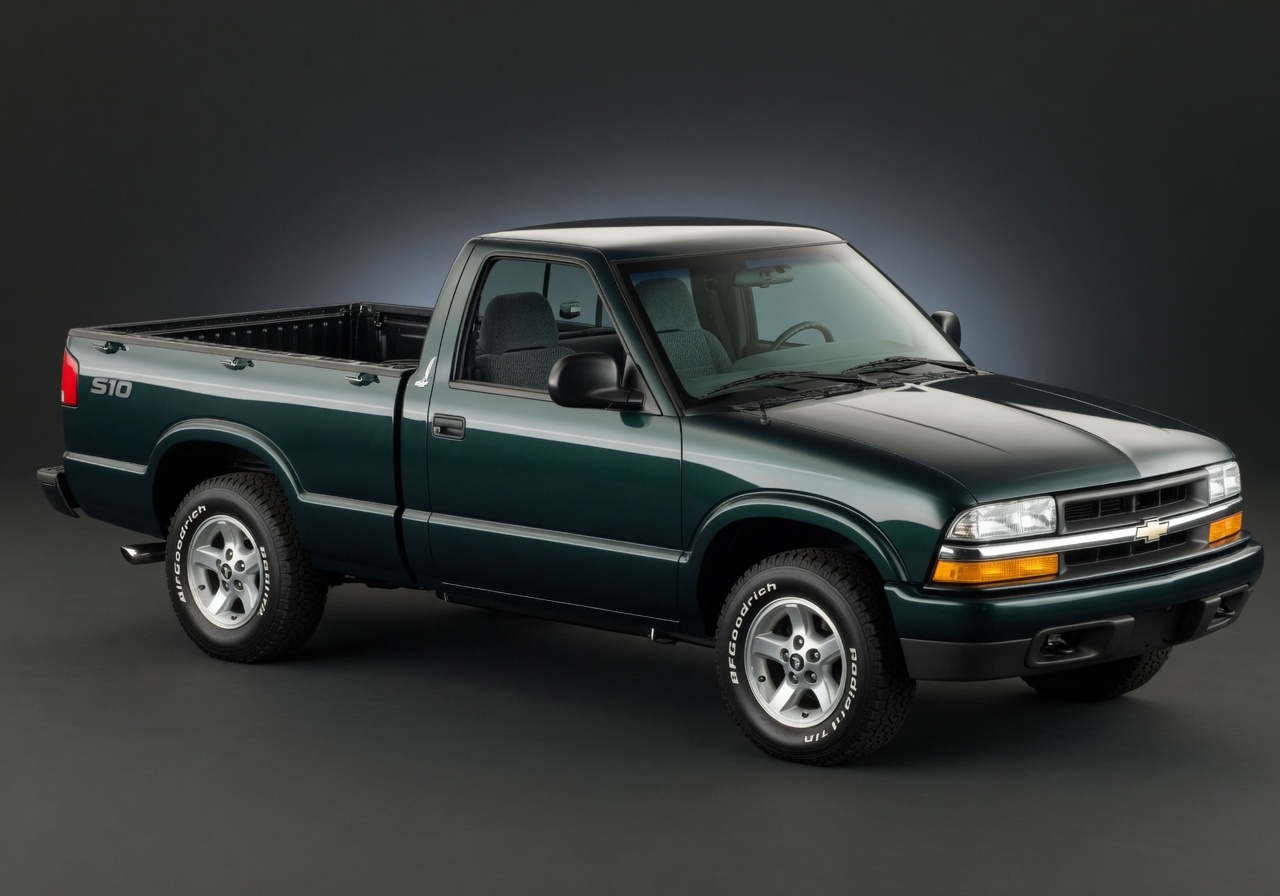
GM's compact pickup from the same era. Easier to find in rust-free condition in some markets, strong parts availability, but generally considered less durable long-term than the T100's drivetrain.
Nissan's comparable pickup of the period. Known for solid reliability, though smaller than the T100. Good alternative for buyers who want Japanese-brand durability at a lower price point.
No catalog match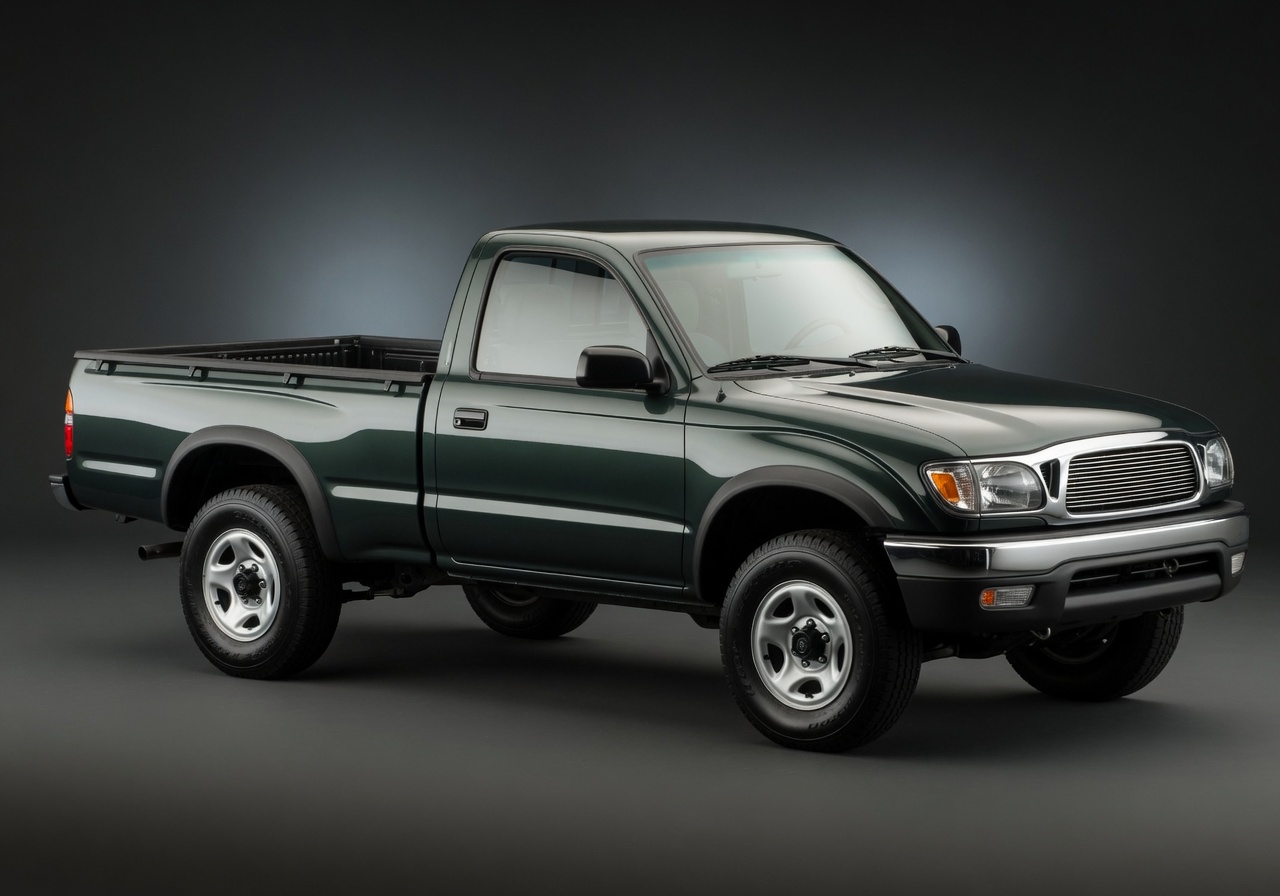
Toyota's smaller pickup launched in 1995 to replace the compact Pickup. More available and with a stronger parts ecosystem than the T100, though smaller bed and lower payload than its big sibling.