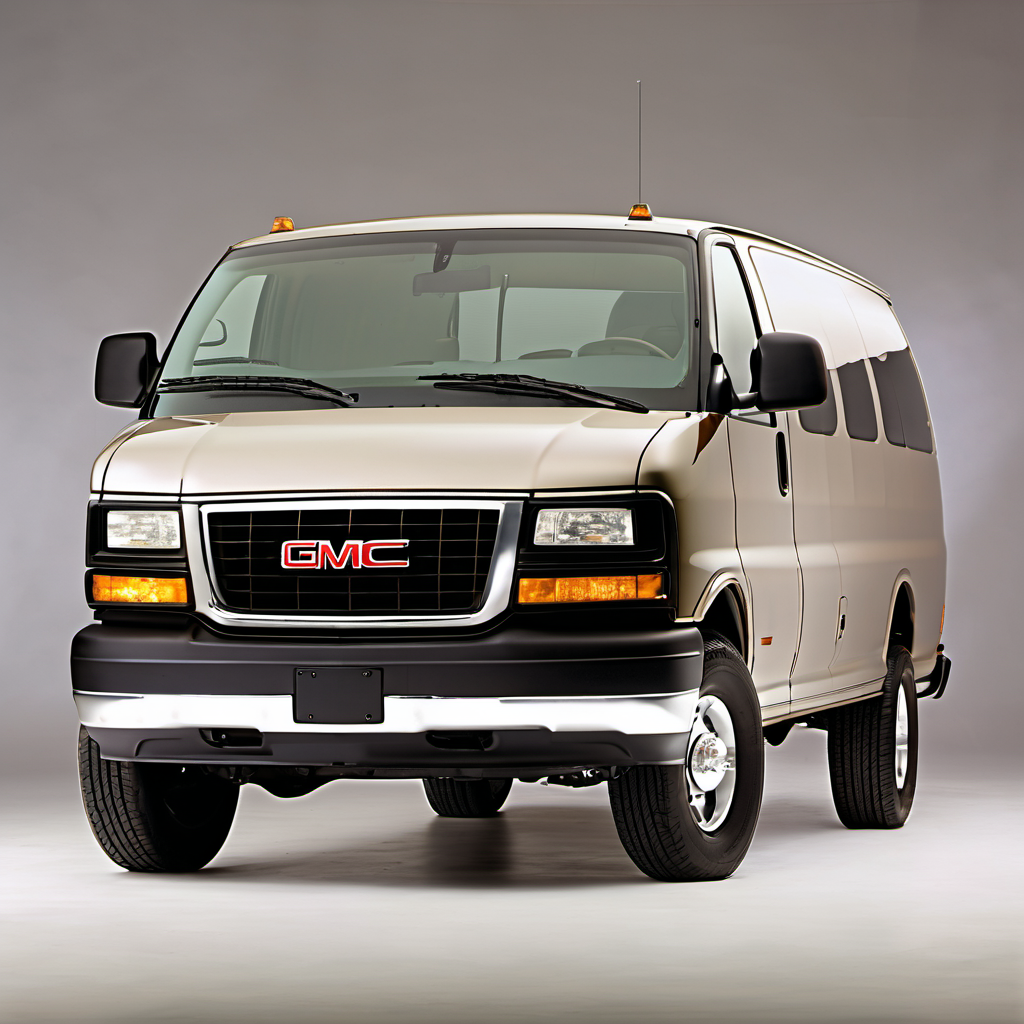
2000 GMC Savana 2500 Passenger Van/Minivan

2000 GMC

Savana 2500 PassengerVan/Minivan

5.7L Vortec V8 · Van/Minivan

The 2000 GMC Savana 2500 is a full-size, body-on-frame passenger van built on GM's G-Van platform — the same bones shared with the Chevrolet Express. In 2500 trim it's rated for heavier payloads and typically seats up to 12 passengers, making it a workhorse for churches, shuttle services, camps, and large families. The platform had been continuously developed from the earlier G-Series vans and was well-proven by 2000, offering straightforward mechanicals that independent shops can service without specialized tooling. Power comes from GM's proven Vortec V8 family, most commonly the 5.7L Vortec 5700. The engine and 4L80-E automatic transmission combination is robust and parts availability is excellent. Ride quality is truck-like — expect a stiff, bouncy feel when lightly loaded, which smooths out considerably when carrying passengers or cargo. At 24 years old, any surviving Savana 2500 is well into high-mileage territory. Rust is the biggest enemy on Wisconsin roads, and inspecting the frame, floor, and wheel wells is non-negotiable before any purchase. Mechanically these vans can run a long time with basic maintenance, but deferred service on aging rubber, cooling, and brake components is extremely common on high-use fleet units.

Reliability
3/5
Verified data
Engine
5.7L Vortec V8
Drivetrain
RWD
Fuel
Gasoline
MPG
13 city / 17 hwy / 14 combined
Seats
12
Doors
4
Body
Van
MSRP
$28,500

Overview

AI-curated

The 2000 GMC Savana 2500 is a full-size, body-on-frame passenger van built on GM's G-Van platform — the same bones shared with the Chevrolet Express. In 2500 trim it's rated for heavier payloads and typically seats up to 12 passengers, making it a workhorse for churches, shuttle services, camps, and large families. The platform had been continuously developed from the earlier G-Series vans and was well-proven by 2000, offering straightforward mechanicals that independent shops can service without specialized tooling. Power comes from GM's proven Vortec V8 family, most commonly the 5.7L Vortec 5700. The engine and 4L80-E automatic transmission combination is robust and parts availability is excellent. Ride quality is truck-like — expect a stiff, bouncy feel when lightly loaded, which smooths out considerably when carrying passengers or cargo. At 24 years old, any surviving Savana 2500 is well into high-mileage territory. Rust is the biggest enemy on Wisconsin roads, and inspecting the frame, floor, and wheel wells is non-negotiable before any purchase. Mechanically these vans can run a long time with basic maintenance, but deferred service on aging rubber, cooling, and brake components is extremely common on high-use fleet units.

Known for
  • Rugged, proven Vortec V8 / 4L80-E powertrain
  • High passenger capacity (up to 12) in a single vehicle
  • Simple truck-based mechanicals — easy and affordable to service
  • Heavy-duty 2500-series payload and towing capability
  • Long parts availability from both GM and aftermarket
Best for
  • Large families or groups needing 8–12 seats
  • Church, camp, or shuttle fleet use
  • Towing a trailer while carrying passengers
  • Buyers comfortable with older, simple V8 mechanicals
  • Rural or small-town use where big-box part availability matters
Watch for
  • Frame and rocker panel rust — severe in Wisconsin salt environments
  • Floor rot under rear passenger seating on high-mileage units
  • Deferred fleet maintenance (brakes, coolant, transmission service)
  • Aging rubber: fuel lines, coolant hoses, brake lines are 24+ years old
  • Rear ABS and brake hydraulic issues common on older G-vans

Common issues by mileage

6 known

Intake Manifold Gasket Failure (Lower)

high
Typically appears
80–150k mi
Estimated repair
$400 – $750

Fuel Pressure Regulator / Fuel Pump Failure

high
Typically appears
100–180k mi
Estimated repair
$350 – $650

Rear Brake Line Corrosion / Failure

high
Typically appears
Any mileage on 10+ year old vehicles
Estimated repair
$300 – $900

4L80-E Transmission Slip / Harsh Shift

medium
Typically appears
120–200k mi
Estimated repair
$500 – $2,800

Heater Core Leaking / Coolant Loss

medium
Typically appears
100–200k mi
Estimated repair
$500 – $1,000

Oxygen Sensor Failure (Upstream / Downstream)

medium
Typically appears
80–150k mi
Estimated repair
$150 – $350

Maintenance schedule

  1. 1
    Every 5,000 miles or 6 months Engine oil & filter change

    The 5.7L Vortec runs conventional oil; regular changes are the single best thing you can do to extend its life. At this age, don't push intervals.

  2. 2
    Every 2 years or 30,000 miles Coolant flush and hose inspection

    The Vortec 5.7L is prone to intake manifold gasket failure when coolant is neglected. Inspect all hoses — they are 24 years old and should be replaced proactively if original.

  3. 3
    Every 30,000 miles Transmission fluid and filter service

    The 4L80-E is tough but heat-stressed in a heavy van. Fresh fluid is cheap; a rebuild is not. Many fleet units have never had this done.

  4. 4
    Every 30,000 miles Fuel filter replacement

    An aging fuel filter stresses the in-tank pump, which is an expensive repair on this van.

  5. 5
    Annually Full brake system inspection including hard lines

    Wisconsin salt destroys steel brake lines. Inspect the entire run from front to rear, especially under the rear floor. A corroded line can fail without warning.

  6. 6
    Every 30,000 miles Spark plugs and wires

    Original equipment or long-overdue plugs cause misfires and rich running, which washes cylinder walls and shortens engine life.

  7. 7
    Annually Inspect and lubricate door hinges, sliding door track, and rear door latches

    High-mileage vans develop door sag and latch failures that become safety concerns with passengers. A cheap preventive step.

  8. 8
    Every fall before winter Battery load test

    A big V8 in a heavy van draws hard on the battery in sub-zero Wisconsin temps. A battery that passes a standard test can still fail a cold-crank test.

Always defer to the manufacturer's service manual for warranty-mandated intervals.

Cost of ownership

Annual maintenance
$800 – $2,500
Fuel
At ~14 MPG combined and typical driving, expect $2,500–$3,500/year in fuel at current Wisconsin pump prices. Extended idling for heat or A/C pushes this higher.
Insurance
Typically moderate — 12-passenger vans often require commercial or specialty coverage; confirm with your insurer before purchase.

Routine maintenance on the 5.7L/4L80-E is affordable at an independent shop — parts are plentiful and cheap. The wildcard at this age is deferred-maintenance catch-up: brake lines, cooling system, transmission service, and fuel system work on a neglected unit can easily run $2,000–$4,000 up front. Budget for it. Fuel costs are the largest ongoing expense given the V8's appetite.
Seasonal care

Lake Geneva, WI
Winter
  • Load-test the battery every fall — the 5.7L V8 demands strong cold-cranking amps in sub-zero temps, and a borderline battery will fail on the coldest morning.
  • Switch to a full-synthetic 5W-30 if not already; it flows faster on cold starts and protects the engine during the critical first seconds.
  • Inspect and replace steel brake lines showing any rust pitting — Wisconsin road salt accelerates failure, and this van's lines are over 24 years old.
  • Fill washer fluid reservoir with a rated -25°F or lower formula; the wide windshield gets heavily salted and a freeze-up is a visibility emergency.
  • Check antifreeze protection level with a tester — not just a visual check. Should be good to at least -34°F for this region.
  • Inspect wiper blades and consider winter blades given the large windshield area — poor visibility with 12 occupants on board is a serious safety issue.
Summer
  • Check and top off coolant; the Vortec 5.7L is a heat producer and a 12-passenger load plus A/C in summer traffic puts real stress on the cooling system.
  • Inspect the A/C system — the rear passenger zone relies on proper refrigerant charge and a functioning rear evaporator. Recharge if blowing warm.
  • Check all tire pressures cold each month; large van tires can lose significant pressure with temperature swings and are often overlooked.
  • Inspect serpentine belt and tensioner before summer heat — a belt failure strands everyone and leaves you without power steering, charging, and A/C simultaneously.
  • Flush and inspect the coolant overflow tank and radiator cap — pressure-holding ability degrades with age and causes boilover under summer load.

Comparable vehicles

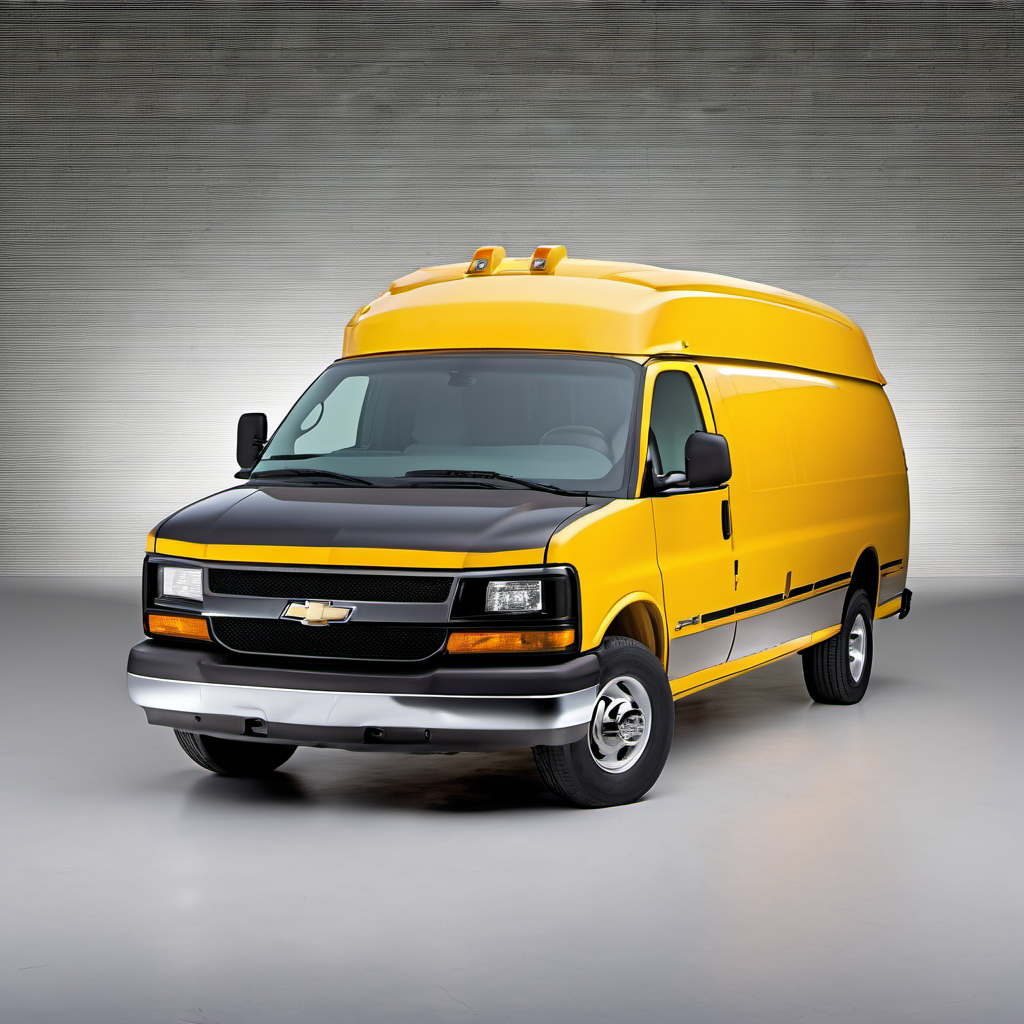
2000 Chevrolet Express 2500
2000 Chevrolet
Express 2500

Mechanically identical — same GM G-Van platform, same engine and transmission options. Parts and service knowledge are interchangeable. Price and availability are nearly identical.

2000 Ford
E-250 Econoline

Ford's direct competitor in the full-size passenger/cargo van segment. Similar payload, similar V8 options, equally proven at this age. May be easier to find in better condition.

No catalog match
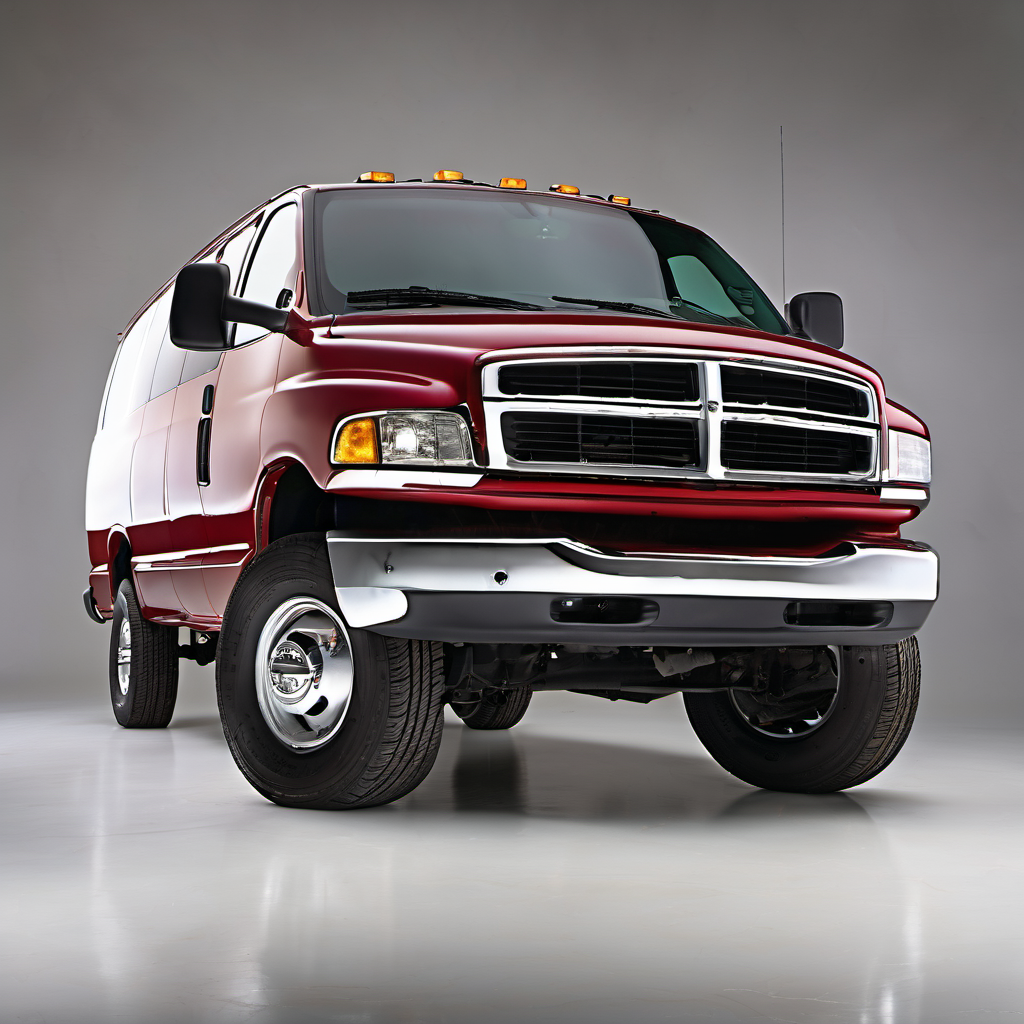
2000 Dodge Ram Van 2500
2000 Dodge
Ram Van 2500

Mopar's equivalent full-size van with similar capacity. The Ram Van platform was discontinued after 2003, so parts are slightly less plentiful but still available.

2000 Ford
E-350 Club Wagon

If maximum passenger count (15) is the priority, the Super Duty E-350 Club Wagon steps up with more seats and a heavier-duty frame — worth comparing on price for high-capacity needs.

No catalog match

If you're shopping for one

Red flags
  • Any frame rust that goes through or is soft to probing — structural integrity is non-negotiable on a passenger-carrying van.
  • Unknown or inconsistent service history, especially on a former fleet or church unit.
  • Milky oil or visible coolant bubbling in the reservoir — signs of head gasket or intake manifold gasket failure already underway.
  • Brake pedal that sinks, pulses, or requires pumping — indicates hydraulic or rotor problems that may include failed hard lines.
  • Transmission that slips, hunts between gears, or has a burnt fluid smell — a 4L80-E rebuild is $1,500–$3,000 at an independent shop.
  • Roof rust around the drip rails or at the rear corners — often indicates the van spent years outdoors in northern climates and may have interior water damage.
What to inspect
  • Frame rails and crossmembers for rust perforation — crawl under with a flashlight and probe suspicious areas with a screwdriver.
  • Rear floor and wheel wells from inside; pull up carpet or mat to check for rot beneath passenger seating.
  • All steel brake lines from front to rear — look for bubbling, scaling, or damp spots indicating a weep.
  • Coolant color and condition — brown or rusty coolant signals long-neglected cooling system and likely intake gasket issues ahead.
  • Transmission fluid condition and smell — dark or burnt fluid on a high-mileage unit means budget for a service or potential rebuild.
  • All door latches, hinges, and the sliding door track for wear — passenger safety depends on doors that open and close reliably.
  • Heater and A/C function in both front and rear zones; rear HVAC is a separate system and often neglected.
AI profile generated 2 hr ago · claude-sonnet-4-6 · v2.