Cooling system failure / overheating
high- Typically appears
- 80–150k mi
- Estimated repair
- $300 – $900
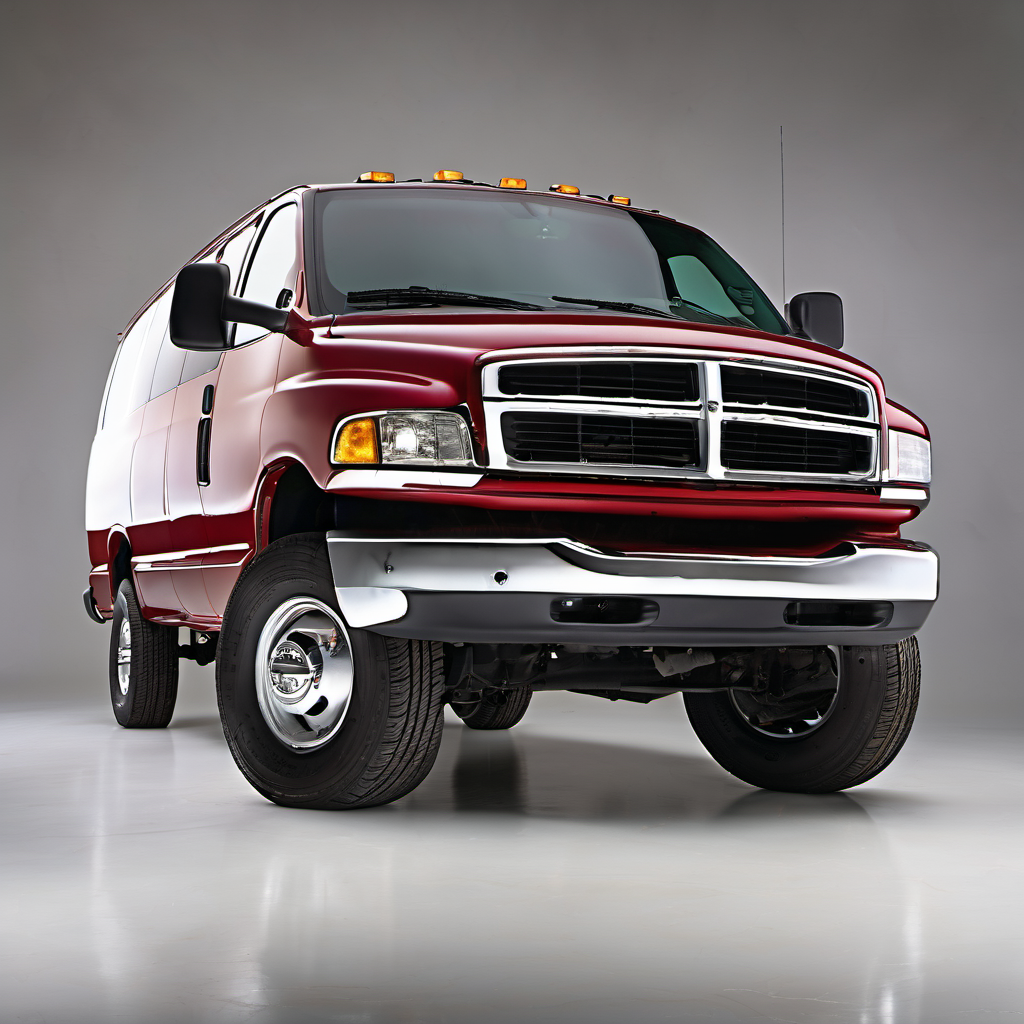
2000 Dodge
5.2L V8 · Van/Minivan
The 2000 Dodge Ram Van 2500 is the heavy-duty version of Chrysler's long-running B-Series full-size van platform, which ran largely unchanged from the early 1970s through its final model year in 2003. Built on a body-on-frame chassis with a front engine/rear-wheel-drive layout, it was the go-to workhorse for tradespeople, fleet operators, passenger shuttle services, and conversion van buyers throughout its production run. The Ram Van 2500 slots between the light-duty 1500 and the heavy-duty 3500, offering a higher gross vehicle weight rating and stiffer suspension than the base model while keeping the same boxy, tall-roof body that makes interior access and cargo loading easy. It was available in cargo and passenger (wagon) configurations and could be ordered with extended length. By 2000 the platform was long in the tooth — no side airbags, no modern crumple zones, and fuel economy that looks rough by any modern standard — but it makes up for it with simplicity, parts availability, and the kind of straightforward mechanicals that an independent shop can service without a dealer scan tool.
The 2000 Dodge Ram Van 2500 is the heavy-duty version of Chrysler's long-running B-Series full-size van platform, which ran largely unchanged from the early 1970s through its final model year in 2003. Built on a body-on-frame chassis with a front engine/rear-wheel-drive layout, it was the go-to workhorse for tradespeople, fleet operators, passenger shuttle services, and conversion van buyers throughout its production run. The Ram Van 2500 slots between the light-duty 1500 and the heavy-duty 3500, offering a higher gross vehicle weight rating and stiffer suspension than the base model while keeping the same boxy, tall-roof body that makes interior access and cargo loading easy. It was available in cargo and passenger (wagon) configurations and could be ordered with extended length. By 2000 the platform was long in the tooth — no side airbags, no modern crumple zones, and fuel economy that looks rough by any modern standard — but it makes up for it with simplicity, parts availability, and the kind of straightforward mechanicals that an independent shop can service without a dealer scan tool.
The Magnum V8 is highly sensitive to cooling neglect. Old coolant becomes acidic and attacks the aluminum intake and water pump. This is the single highest-impact maintenance item on this engine.
Older OHV engines with flat-tappet camshafts benefit from more frequent changes, especially under stop-and-go fleet use. Use oil with adequate zinc (ZDDP) content.
These transmissions are robust but fluid breakdown accelerates wear on the solenoid pack. A fresh filter and fluid buys significant longevity.
Road salt accelerates hinge and track corrosion on Wisconsin vans. A seized sliding door is a safety hazard and an expensive repair.
Rubber brake hoses on a 25-year-old vehicle can deteriorate internally and cause caliper seizure or spongy pedal. Replace on condition, not just mileage.
Wisconsin road salt is aggressive. Frame rust on a body-on-frame van is a structural safety issue. Catch it early with undercoating and spot repairs.
The Magnum V8 uses a conventional distributor ignition. Fresh plugs and wires maintain cold-start performance and fuel economy, both critical in Wisconsin winters.
A battery that passes a basic test in summer can fail a cold-crank test at -10°F. The Magnum V8 needs a strong battery for cold starts; corroded terminals make it worse.
Always defer to the manufacturer's service manual for warranty-mandated intervals.
This is an inexpensive vehicle to own mechanically IF you stay ahead of cooling system and rust maintenance. Parts are cheap and widely available. The ongoing cost to watch is fuel — there is no escaping 13–15 MPG from a 5,200-lb, aerodynamic-brick van. Budget for one larger repair (brakes, transmission service, intake gasket) every 2–3 years on a high-mileage example.
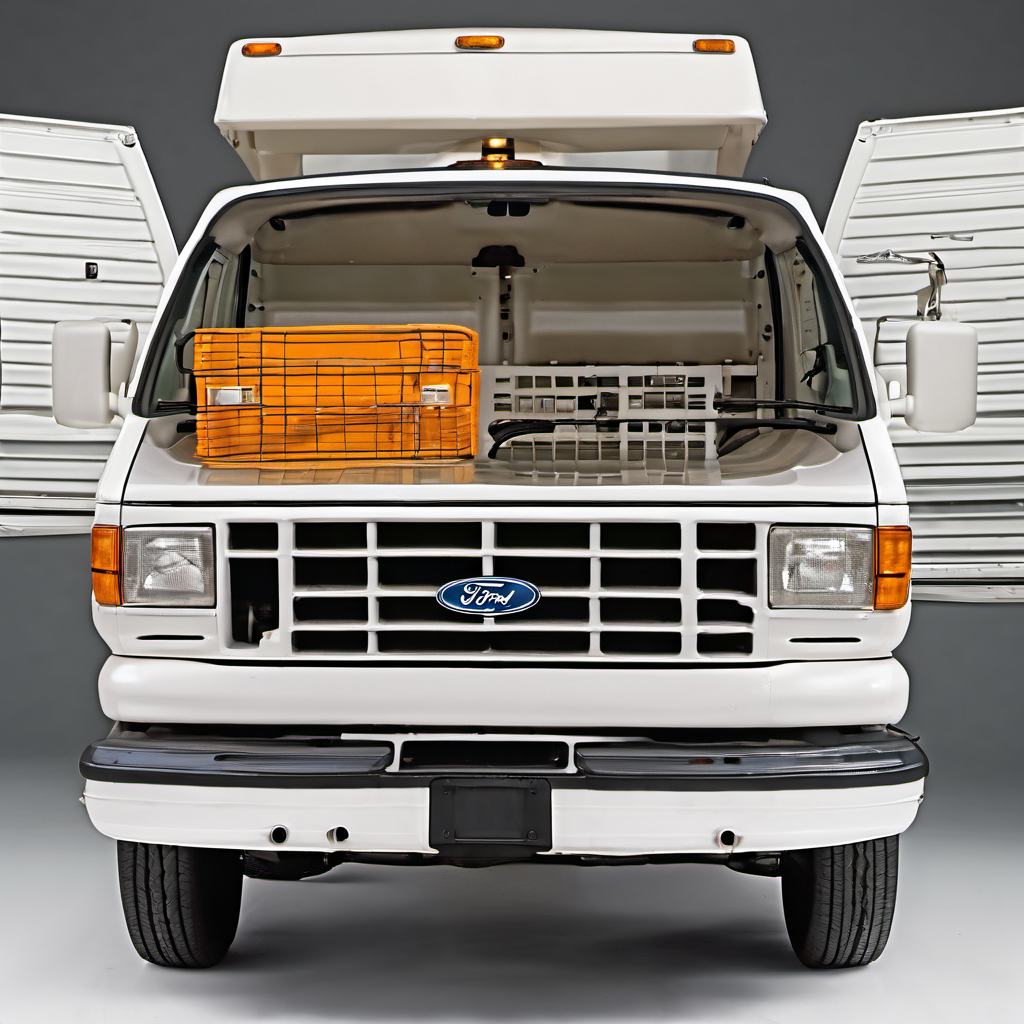
Direct competitor in the heavy-duty full-size cargo and passenger van segment; same RWD body-on-frame layout, similar payload, similar era mechanicals. Ford's 4.6L/5.4L Triton V8 is the closest rival to the Magnum V8.
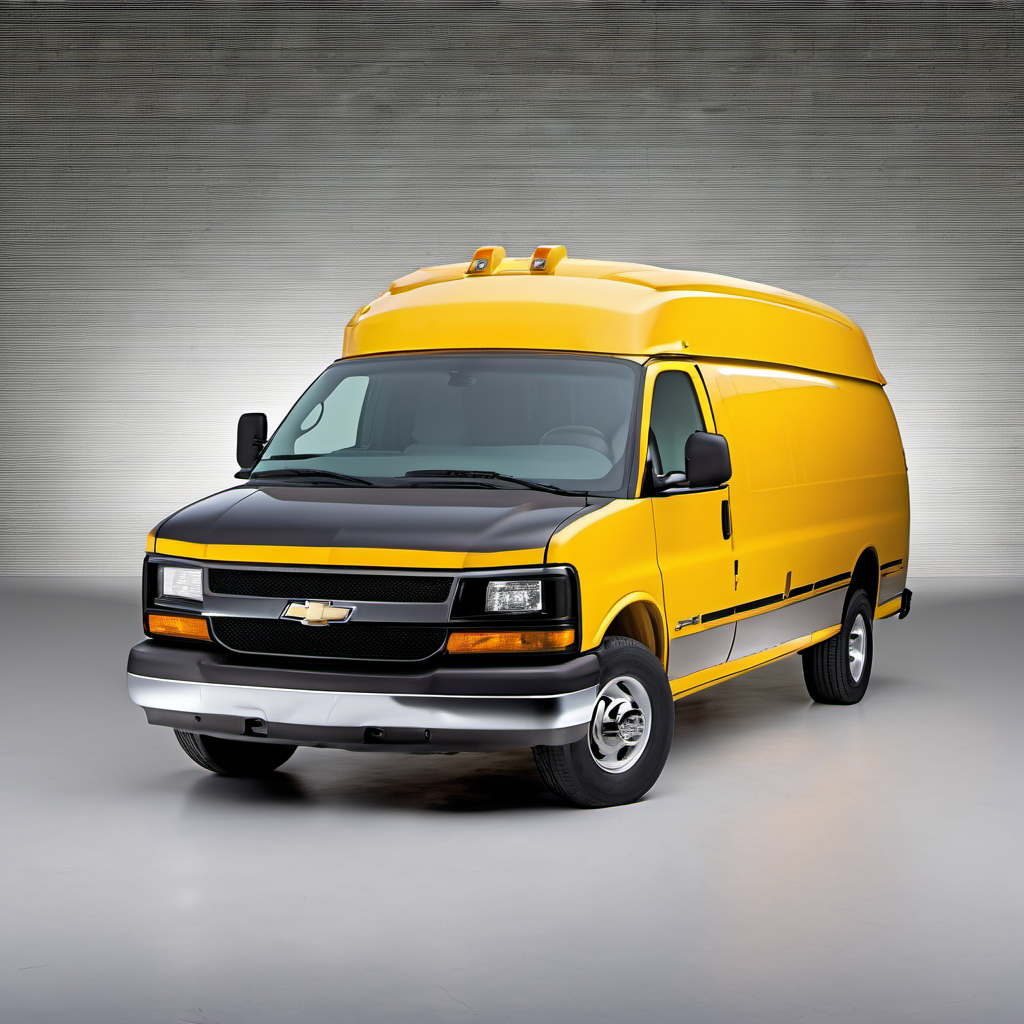
GM's answer to the Ram Van in the 3/4-ton full-size van class. The Express debuted in 1996 on a newer platform and offers slightly better crash structure, but the same basic mission and similar ownership costs.
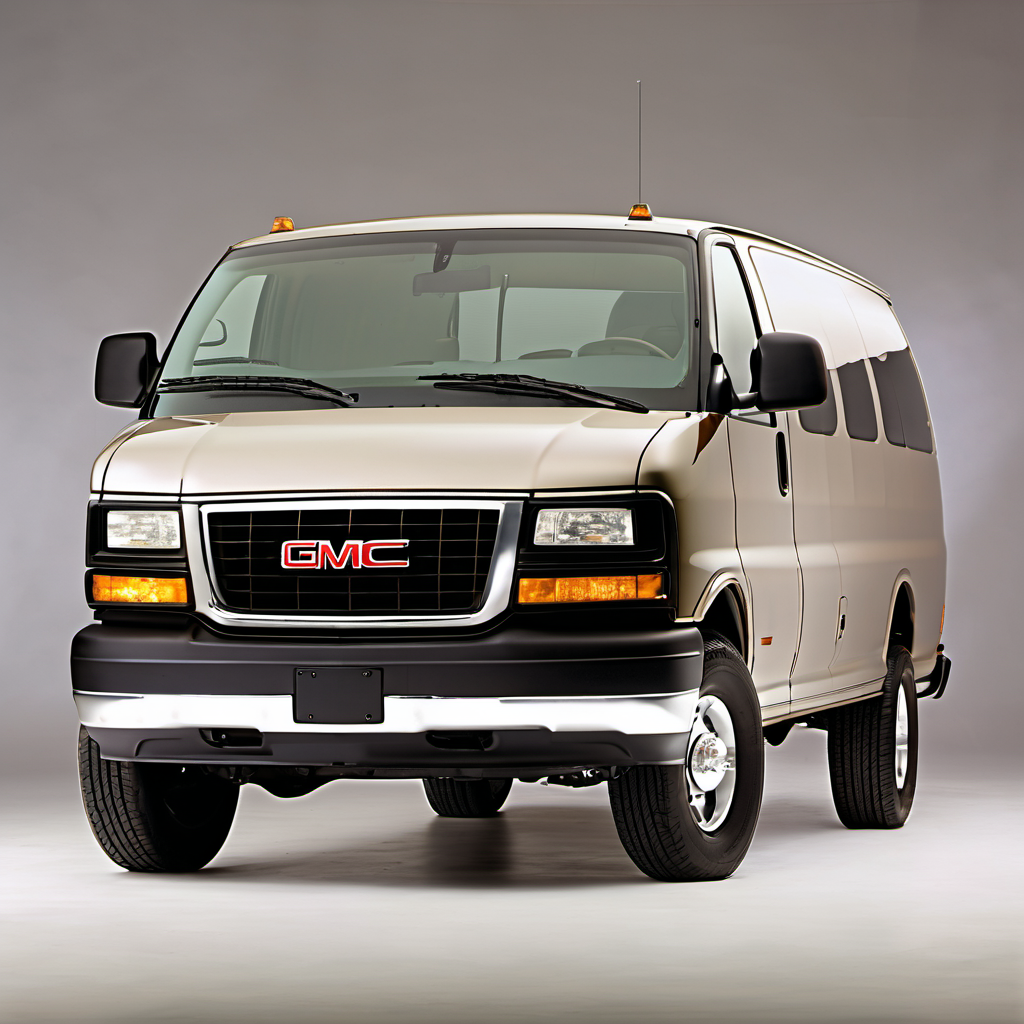
Badge-twin to the Chevy Express 2500 — mechanically identical, worth cross-shopping on price. Same segment, same payload rating, same era.

Step up if maximum GVWR and heavy-duty suspension are needed; the 1-ton E-350 offers more payload than the 2500 and is a natural alternative for buyers on the fence about van size.